You’ll find personal hygiene teaching works because hands‑on practice creates muscle memory, so kids repeat motions until they’re automatic. Visual cues and step‑by‑step charts keep each task clear, while consistent rewards and praise turn effort into confidence. The routine becomes a visible milestone, linking clean habits to health and self‑esteem. As you keep using these tools, you’ll discover deeper strategies for scaling skills across ages and boosting independence.
Hands‑On Activities That Build Muscle Memory for Personal Hygiene
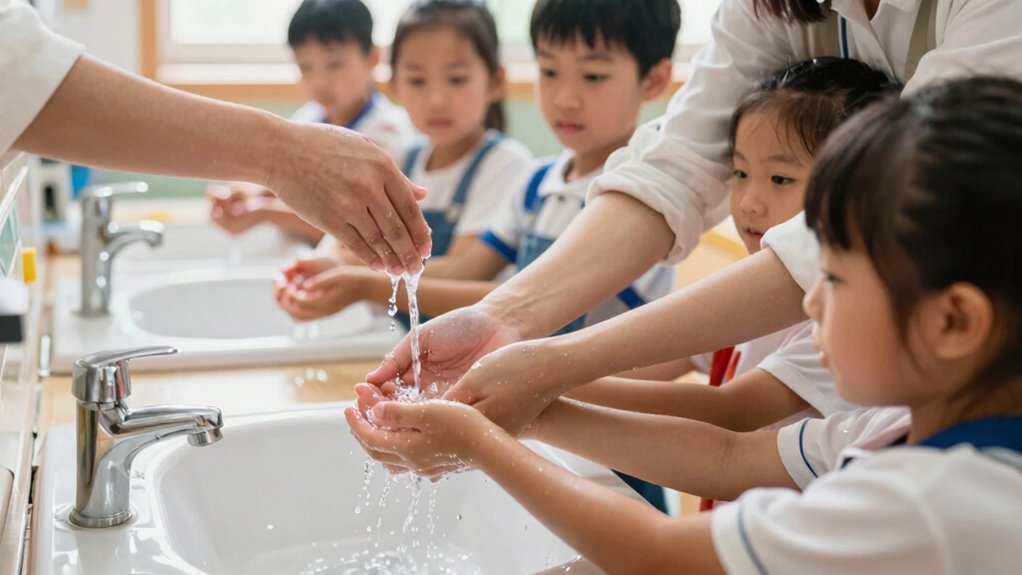
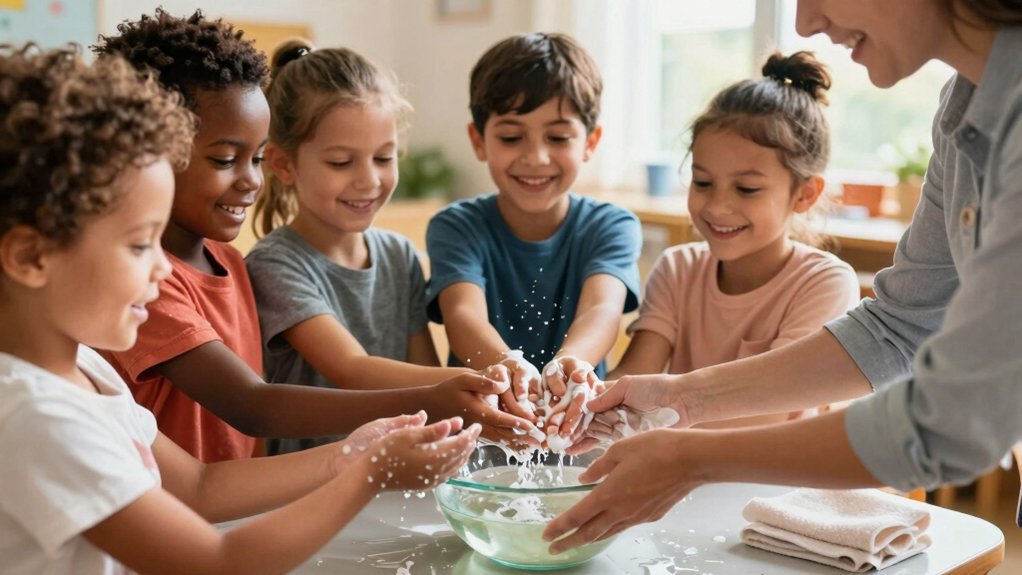
How can you turn routine hygiene tasks into automatic habits? You start by using your hands to repeat each motion until muscle memory takes over. When you scrub your palms, feel the lather, and time the rinse, you engage sight, touch, and rhythm, locking the correct technique into your brain.
Show a child a clear, step‑by‑step demo of brushing teeth, then let them mimic the motions with guided assistance. Gradually fade the help, letting them practice solo after a bath or before a meal. Consistent, hands‑on practice tied to daily schedules cements the pattern, so hygiene actions become effortless, fast, and accurate without conscious thought.
Using supportive tools like a Montessori-friendly step stool can help children reach sinks independently, reinforcing their ability to practice personal hygiene on their own.
How to Build Confidence With Consistent Hygiene Routines
When children can count on a predictable hygiene routine, they quickly gain a sense of mastery that fuels their confidence. You can boost self‑efficacy by pairing consistent routines with positive reinforcement. Offer simple, step‑by‑step cues—like washing hands for 20 seconds or brushing twice daily—so tasks become automatic. Celebrate each completed step with stickers or praise, reinforcing the behavior without punishment. Modeling the routine yourself provides social proof, encouraging imitation. Gradually shift from supervision to independence, letting the child own the process and watch their confidence soar.
| Task | Reinforcement |
|---|---|
| Hand‑wash (20 s) | Sticker |
| Brush teeth (2 × daily) | Praise |
| Bath (once daily) | Extra playtime |
| Dress (morning) | Small reward |
| Floss (after dinner) | Chart check‑in |
Using Visual Cues and Charts to Reinforce Clean Habits
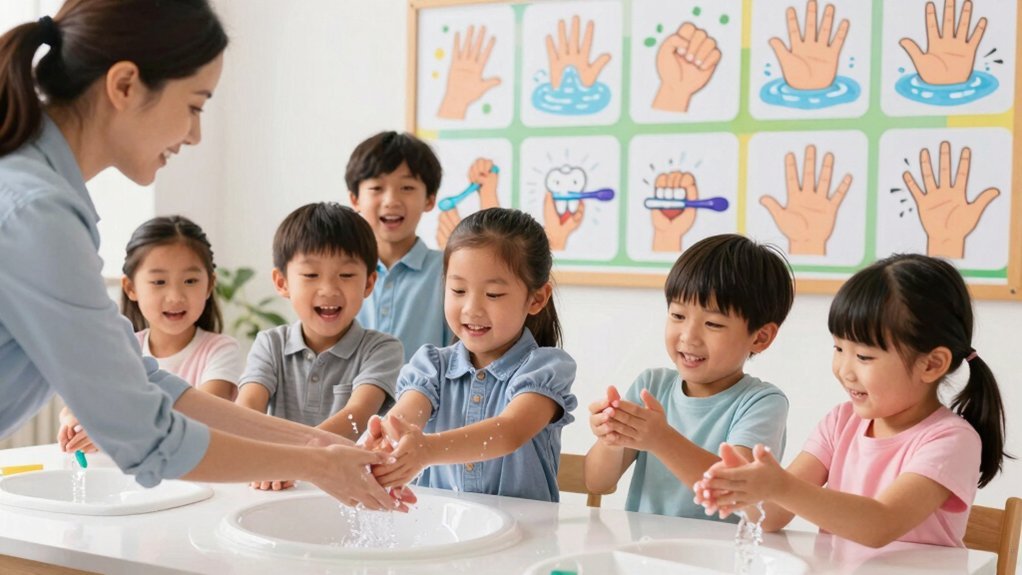
Ever wondered why a simple picture can turn a messy routine into a smooth habit? You’ll find that visual cues act like instant reminders, cutting through distraction and guiding you straight to the next step. When you pair them with visual schedules, you break down hygiene routines into bite‑size actions that anyone can follow without extra prompts. The result is a clear, repeatable pattern that builds independence and confidence.
- Post a pictograph by the sink to cue hand‑washing.
- Use a numbered chart on the bathroom mirror for brushing teeth.
- Hang a step‑by‑step visual guide near the shower to streamline the process.
- Customize each cue to match personal goals, tracking progress on a simple checklist.
To enhance daily routines, choosing tools made with non-scratch silicone coatings can promote safe and gentle use for all ages.
How Rewards and Praise Speed Up Personal Hygiene Skill Mastery
You’ll notice an instant motivation boost when you pair a small reward with a quick “great job!” after each hygiene step.
The clear goal tracking from stickers or checklists lets you see progress instantly, reinforcing the behavior.
This positive reinforcement loop keeps you engaged and speeds up skill mastery.
Instant Motivation Boost
Why wait for habit formation to creep in when a quick reward can spark instant motivation? You can turn a mundane routine into a burst of excitement by pairing each step with instant feedback. When you hand out immediate praise, the brain registers success and you’re more likely to repeat the action. Visual rewards—stickers on a chart or a bright badge—make progress tangible and fun, while consistent practice cements the habit without feeling like a chore.
- Give a quick, specific compliment right after the task.
- Add a visual cue that marks completion.
- Break the routine into micro‑steps and reward each one.
- Schedule short, frequent sessions to build automaticity.
These tactics create a rapid motivation loop that accelerates skill mastery. Using child-friendly tools with adjustable straps can also enhance engagement by ensuring comfort and safety during hygiene routines.
Clear Goal Tracking
How can clear goal tracking turn a messy routine into a smooth, self‑driven habit? You set tiny, visible milestones for each handwashing step, then mark them off on a chart. Each check gives instant feedback, so you see progress tracking in real time. When you hit a milestone, you earn a sticker or a short privilege, reinforcing the behavior without extra prompting. Over weeks, your checklist shrinks as you master each routine, and you need fewer reminders. Caregivers can review your chart daily or weekly, tweaking goals to keep you motivated. This loop of tangible rewards and visible progress speeds skill acquisition, turning repetitive chores into confident, autonomous habits. Models with height adjustability and long-term use benefits, like Montessori kitchen towers, highlight the importance of growth alignment in skill development.
Positive Reinforcement Loop
Ever notice how a simple sticker or a quick “great job!” after washing hands makes the whole routine feel effortless? That’s the power of positive reinforcement in a hygiene routine. When you pair immediate praise with a tangible reward, you boost memory, cut cognitive load, and accelerate autonomy.
- Give instant praise the each step is done correctly.
- Attach a visual cue—like a sticker chart—to track progress.
- Offer a small reward when a measurable milestone is reached.
- Keep the schedule consistent so the child expects the reinforcement.
Linking Hygiene Rewards to Overall Wellness and Self‑Esteem
When you connect hygiene rewards to how you feel—more energy, fewer sick days—you’ll notice your confidence soaring and your self‑image strengthening.
Consistent, wellness‑focused incentives keep habits steady, which directly boosts your health.
Incorporating practical tools that support fine motor skills development can further enhance the effectiveness of personal hygiene routines.
Confidence Boosts Self‑Image
By linking daily hygiene habits to overall wellness, you help children see themselves caring for their bodies, which builds a positive self‑image and confidence. When they master personal hygiene, they feel competent, and that competence fuels self‑esteem. You can amplify this effect by:
- Celebrating small wins with stickers, reinforcing confidence and self‑esteem.
- Giving brief praise that ties the act to overall wellness, strengthening personal hygiene identity.
- Encouraging children to explain how clean habits improve their mood, linking confidence to self‑image.
- Allowing them to choose a favorite scent or towel, fostering ownership and boosting self‑esteem.
These steps turn routine care into a confidence‑building ritual, cementing a healthy self‑image that endures beyond the bathroom. Incorporating tools designed with ergonomic handle features can make hygiene activities easier and more enjoyable for children, further enhancing their confidence.
Habit Consistency Enhances Health
Why does sticking to a hygiene routine matter for health? When you follow hygiene routines every day, you slash the chance of infections and illness, which means fewer school absences and steadier participation. Habit consistency builds visible milestones—like washing hands independently or brushing without reminders—so you see progress, feel more autonomous, and gain confidence. Those tangible achievements link cleanliness to personal well‑being and social belonging, reinforcing a positive self‑perception. As you celebrate each small win, you also notice broader health benefits, such as fewer colds and stronger immunity. This cycle of consistent practice and visible results keeps you motivated, turning everyday hygiene into a cornerstone of overall wellness and self‑esteem. Using reliable food safety tools helps maintain these health benefits by ensuring safe food handling practices.
Rewards Reinforce Positive Behaviors
Consistent hygiene habits already give you visible health gains, and adding a reward system turns those gains into lasting motivation. When you pair rewards with positive reinforcement, you link daily hygiene routines to broader wellness and self‑esteem, making each clean habit feel like a personal victory.
- Use a simple chart where each completed task earns a sticker, creating a visual cue that progress matters.
- Choose individualized rewards—extra playtime or a favorite snack—that reflect effort, not just perfection.
- Tie milestones (hand‑washing after bathroom, brushing twice daily) to predictable perks, reinforcing independence.
- Celebrate progress publicly, emphasizing confidence and health benefits, so the child sees hygiene as a pathway to personal achievement.
These steps turn routine actions into meaningful experiences, strengthening intrinsic motivation and sustaining healthy habits.
Scaling Hygiene Skills for Children Ages 3‑12: A Step‑by‑Step Roadmap
| Age | Core Skill | Next Step |
|---|---|---|
| 3‑5 | Handwashing | Brushing teeth |
| 6‑8 | Brushing teeth | Flossing |
| 9‑12 | Flossing | Shower & menstrual hygiene |
Frequently Asked Questions
Why Is It Important to Teach Personal Hygiene?
You learn personal hygiene because it protects you from illness, builds confidence, and fosters independence; these habits become lifelong, reducing disease spread, boosting social acceptance, and supporting overall wellness.
What Are the 4 C’s of Good Hygiene?
You follow the 4 C’s: cleanliness—wash hands thoroughly; coverage—cough or sneeze into a tissue or elbow; containment—sanitize surfaces and store items safely; consideration—respect others by minimizing germ spread.
What Are 5 Ways to Promote Good Personal Hygiene?
You promote good personal hygiene by modeling clean habits, establishing visual routines, using rewards, discussing body changes openly, and incorporating hands‑on demonstrations that let kids practice each step confidently.
What Are the 5 Importances of Personal Hygiene for Students?
You’ll see five key benefits: fewer illnesses, higher attendance, stronger confidence, better social interactions, and lifelong self‑management skills that keep you healthy and successful in school.