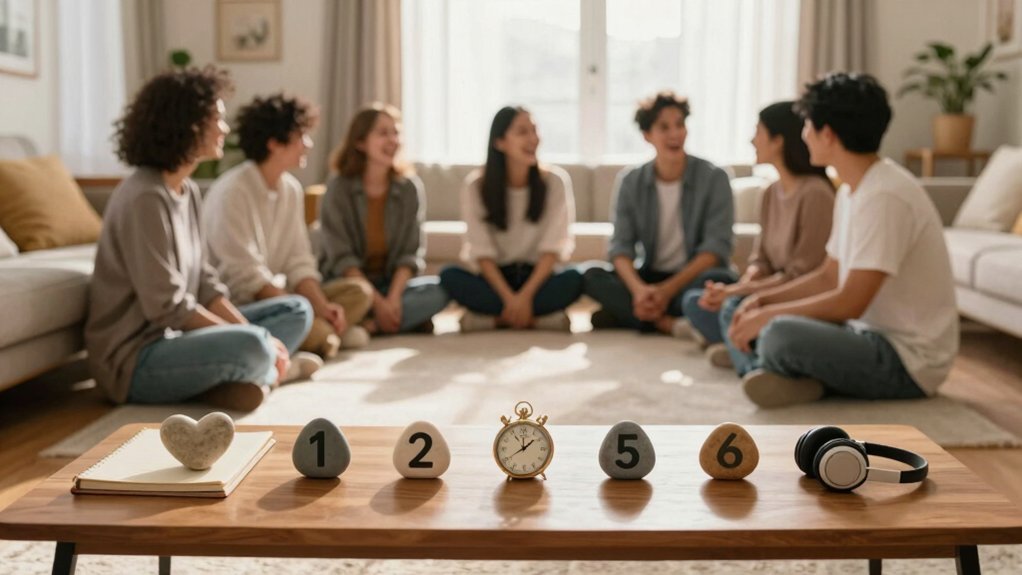
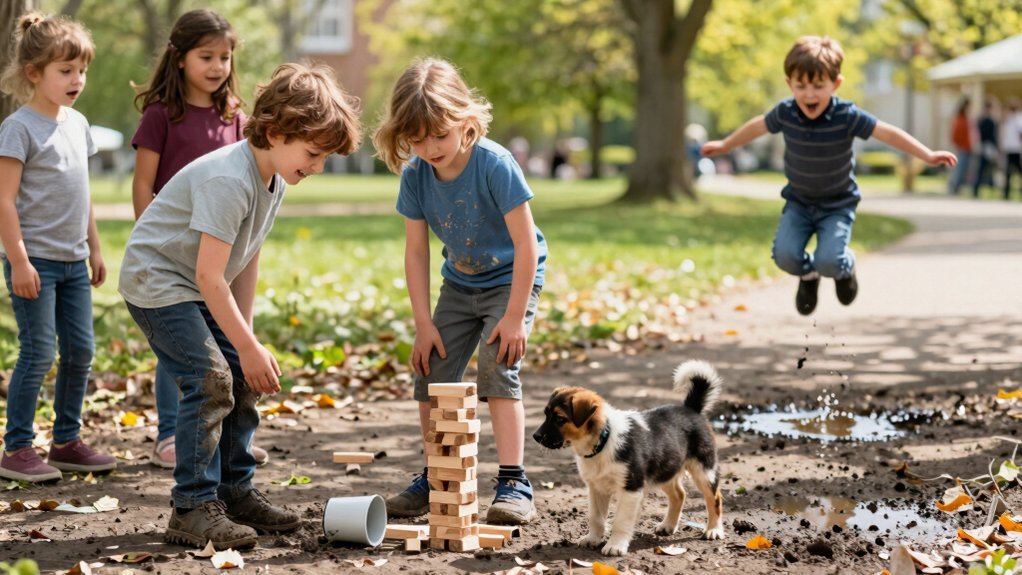
You’ll see that a forgotten jacket on a chilly morning makes you shiver, a missed breakfast sparks mid‑morning hunger, and a heavy backpack hurts your shoulders, teaching you to pack lighter. Leaving toys in the rain rusts them, while an unsaved favorite book disappears later. Rough play with a pet brings scratches, prompting gentle touch. Refusing to share leads to solo play, ignoring clean‑up keeps the space messy, and crossing a street without looking forces a safety pause. Keep going to discover more.
Cold Weather → Forgetting a Jacket Leads to Feeling Chilled
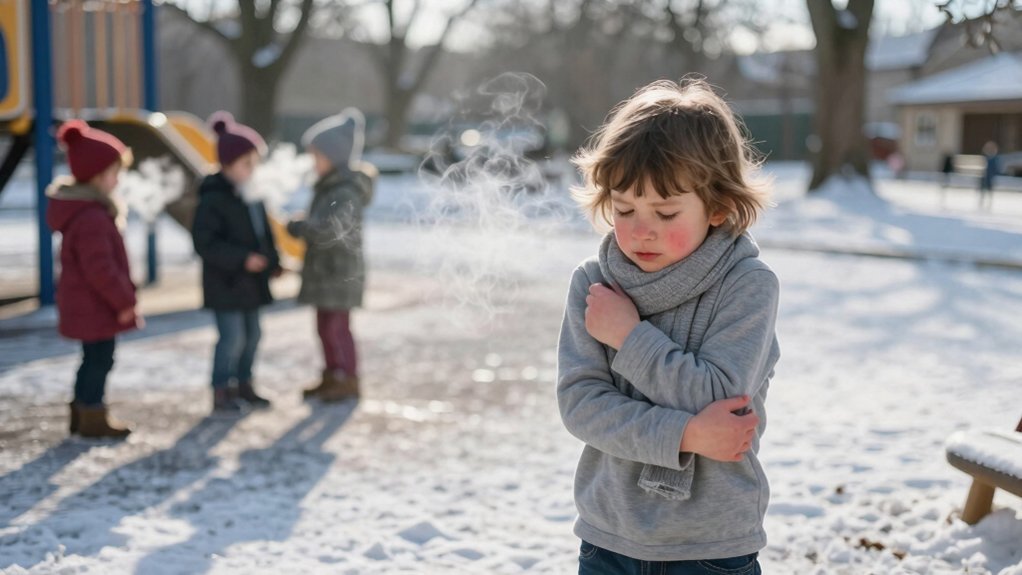
Ever notice how a forgotten jacket on a chilly morning makes you shiver? You step outside, the wind bites, and you instantly feel the natural consequences of your oversight. That sudden chill teaches temperature awareness without a lecture—your body reacts, and you learn to dress for the weather.
As a preschooler, you’ll remember that leaving a coat behind leads to discomfort, prompting you to check the forecast and pack appropriately next time. This experience builds responsibility and decision‑making skills, because the outcome isn’t imposed by an adult; it’s a direct result of your action.
When safety isn’t at stake, letting the cold be the teacher reinforces learning far better than any verbal warning could. Using tools like a Montessori step stool can similarly encourage children to learn independence through natural consequences and hands-on experiences.
Skipping Breakfast → Experiencing Mid‑Morning Hunger
When you skip breakfast, hunger signals pop up fast, pulling your energy down in minutes.
That quick drop leaves you feeling shaky and makes it hard to stay focused on the lesson.
As your attention wavers, you miss out on the learning moments that come before lunch.
Using supportive items like classroom reading corner cushions can help create more engaging learning environments that hold children’s attention even during difficult moments.
Hunger Signals Appear
Why does a missed breakfast turn the morning into a struggle? When you skip breakfast, hunger signals flare up quickly. Your child may become irritable, fidget, or keep asking for a snack before lunch. Those cues tell you the body’s need for fuel isn’t met, and they interrupt learning and play. Use this moment to talk about routines. Explain how a regular breakfast keeps blood sugar steady, which steadies focus and mood. Point out that noticing hunger signals helps them plan ahead and take responsibility for their health. By linking the feeling of hunger to the daily routine, you give them a concrete example of cause and effect, encouraging smarter choices tomorrow. Play activities that promote cognitive development can further support children in understanding these natural consequences.
Energy Drops Quickly
How quickly does a child’s energy plummet after a missed breakfast? You’ll see the dip within minutes, as the body runs low on glucose and the child feels an early‑morning hunger. That sudden drop in energy makes it harder to stay alert, join games, or follow instructions before lunch. When you let the natural consequence happen, the child experiences the link between their routine and how they feel later.
You’ll notice a slump in mood and a slower pace as the hunger signals grow louder. By observing this cause‑and‑effect, the preschooler learns responsibility for eating habits without punishment. The experience reinforces that a simple breakfast fuels both body and mind, keeping energy steady throughout the morning. Encouraging cooperative imaginative play with realistic role play costumes can also help sustain energy and focus by engaging children in active, enjoyable learning.
Focus Becomes Impaired
Ever notice how a missed breakfast can turn a bright morning into a foggy one for a preschooler? When you skip that first meal, the child’s blood‑sugar dips, and mid‑morning hunger creeps in, stealing the focus they need for learning.
You’ll see them drifting off during storytime, struggling to follow instructions, and losing interest in hands‑on activities. The natural consequences of hunger surface as irritability, which can be misread as defiance, making it harder for you to guide them calmly.
A quick, kid‑friendly breakfast stabilizes energy, steadies mood, and restores the mental sharpness essential for participation. By offering consistent nutrition, you turn the natural consequence of hunger into a teachable moment that protects focus and supports daily growth. Using tools like kid-safe cooking thermometers can also enhance mealtime safety and build confidence in food preparation for children.
Heavy Backpack → Physical Discomfort Shows Load Limits
When your child feels a sore shoulder or slows down because of a heavy backpack, they instantly recognize their load limit.
That discomfort nudges them to pack only what’s essential and think twice before adding extra items.
The experience then prompts them to reflect on their choices, linking weight to comfort and responsibility.
Experience Load Limits
Ever wondered why a backpack that feels like a sack of bricks makes you stop? That ache is a natural consequence that shows your experience load limits. When the weight pushes past what your muscles can handle, your body screams for relief, forcing you to reassess what you carry. You learn that overloading isn’t a punishment—it’s a direct signal from your own body that something’s too heavy.
- Pain spikes – the sharp sting that tells you to pause.
- Slowed steps – the drag that makes you lag behind peers.
- Breathing heaviness – the gasp that reveals strain.
- Dropped items – the inevitable spill that forces you to lighten up.
These cues teach cause‑and‑effect without adult interference, guiding you to choose a manageable load. This process resembles how children use training mechanisms and convertibility in child-safe chopsticks to progressively learn new motor skills.
Encourage Packing Skills
Feeling the weight of a backpack tug at your shoulders is the body’s way of telling you the load’s too heavy, and that signal can become a powerful lesson in packing wisely. When the ache spreads, you experience natural consequences that highlight the need to balance what you carry. You’ll notice which books, snacks, or supplies are essential and which can stay home, prompting you to develop packing skills that respect your physical limits. By feeling the discomfort, you learn to prioritize items, distribute weight evenly, and test your own preparedness before school. This hands‑on feedback builds responsibility without blame, turning a sore back into a clear guide for smarter, lighter packing choices. Similarly, organizers like the Humble Crew Kids Toy Storage Organizer provide accessible, low-height storage that encourages independent organization and responsibility in children.
Prompt Reflection on Choices
Why let a sore shoulder be the teacher? When a child straps on a heavy backpack and feels the strain, the physical discomfort instantly reveals the load’s limits. You can guide them to pause, notice the ache, and ask, “What did you choose that caused this feeling?” This prompt reflection turns a simple pain into a vivid lesson in cause-and-effect, sparking deeper learning about responsibility and decision‑making.
- Notice the ache.
- Identify the packed items.
- Ask how the weight could be reduced.
- Choose a lighter, balanced load.
Toys Left in the Rain → Wet, Rusty, and Unusable Playthings
What happens when you leave toys out in the rain? You see natural consequences in action: wet, rust‑covered, and unusable playthings appear. The cause and effect is clear—exposure to water makes plastic soggy, metal rusts, and fabric swells, while electronics short‑circuit. Mold can develop, and a musty smell makes the toy unappealing, forcing you to clean or discard it. You’ll notice the loss of immediate access; the toy stays out of reach until you dry or repair it. This experience teaches you to bring toys indoors, protecting them and extending their life. By noticing the direct link between your choice and the toy’s condition, you learn responsibility and the value of proper storage.
Unsaved Favorite Book → Difficulty Finding It Later
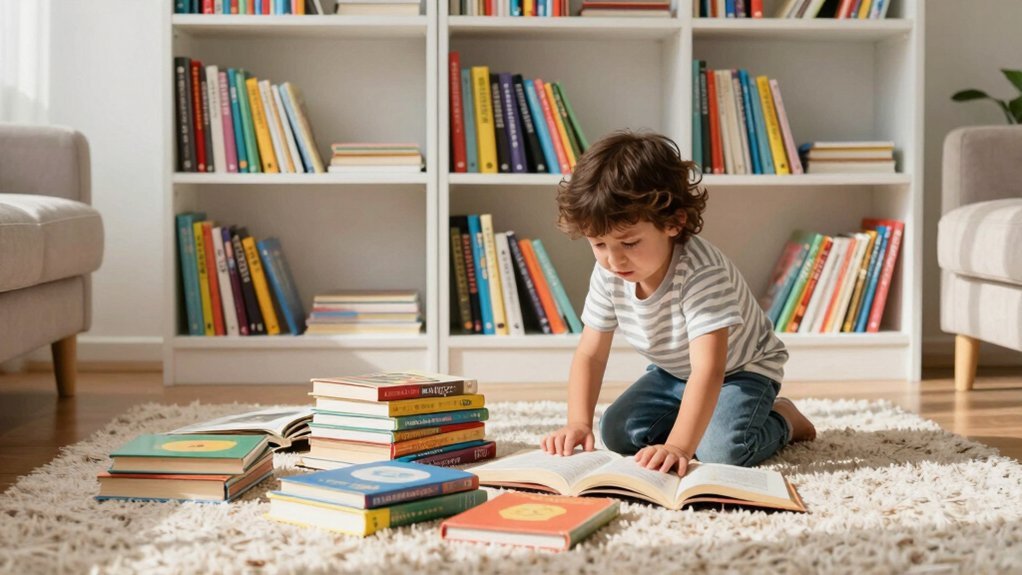
Leaving a book on the floor after reading it may seem harmless, but the next time you want to revisit that story you’ll spend extra minutes hunting for it, and frustration can set in. You’ll quickly see the cause and effect: not saving the favorite book creates a needless obstacle. This natural consequence teaches responsibility by linking the habit of putting things back to smoother reading sessions.
- Lost time – minutes slip away while you search.
- Irritation – the story you love feels out of reach.
- Memory imprint – the frustration sticks, nudging you to act differently next time.
- Habit formation – you learn to store the book in its spot, reinforcing responsibility.
Staying Up Late → Fatigue and Reduced Concentration Next Day
Ever notice how a night of late‑night gaming leaves you dragging your feet at school? When you stay up late, you wake up tired, and that fatigue shows up as slower reaction times and fuzzy focus. You’ll miss details in lessons, stumble through assignments, and feel irritable during group work. Those natural consequences push you to notice the cause‑and‑effect link: bedtime matters. If you keep pulling all‑nighters, you build sleep debt, making each morning harder to face. You’ll find yourself yawning in class, forgetting instructions, and needing extra help. Over time, the pattern teaches you to adjust your bedtime, so you can be alert, engaged, and ready to learn the next day.
Rough Play With a Pet → Scratches Teach Gentle Touch
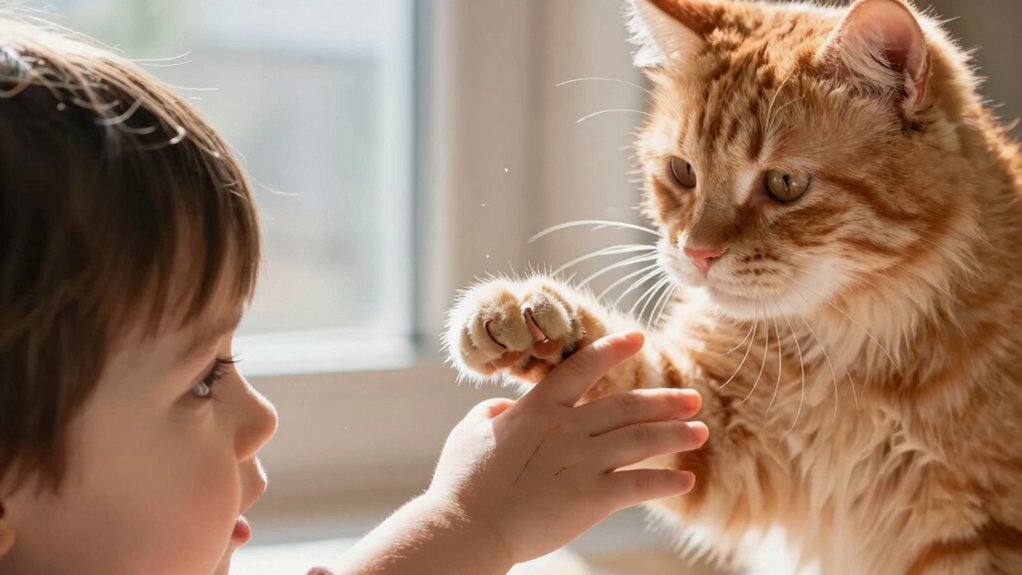
When you play roughly with a pet and get a scratch, the pain instantly shows you the need for a gentle touch. That natural consequence teaches you how your actions affect the animal, building empathy through the experience.
Gentle Touch Benefits
Ever notice how a sudden scratch from a playful pup can halt a child’s rough handling in an instant? That moment is a natural consequence, showing the child that roughness hurts. You can turn that sting into a lesson in gentle touch, building empathy and confidence. When the pet retreats, the child learns to read body language and pause before causing discomfort. Caregivers then reinforce calm handling, gradually expanding safe, supervised interactions. The result is a child who respects animals and feels proud of their caring actions.
- The child feels relief after stopping pain.
- The pet’s trust deepens, rewarding kindness.
- The family enjoys calmer playtime together.
- The child’s empathy grows, shaping future relationships.
Scratch Consequence Explanation
A sudden scratch from a playful pup instantly shows a child that rough handling hurts, turning the pain into a clear lesson in gentle touch. You notice the sharp sting, then the pet recoils, making the link between your actions and the outcome unmistakable. This natural consequence lets you feel the result without adult interference, so you internalize cause and effect. Because the pet’s discomfort is real, you learn to adjust your grip, using softer hands to keep play enjoyable. You experience learning through sensation, not through blame or punishment. The moment the pup backs away reinforces responsibility, guiding future choices toward kindness and respect for the animal’s boundaries.
Teach Empathy Through Play
A few minutes of rough play with a pup can instantly teach a child that gentle touch is essential. When the pup scratches, the child feels the sting and sees the animal’s reaction, turning the moment into a natural consequence that builds empathy. You guide the child to pause, notice the pup’s discomfort, and switch to softer strokes. This hands‑on lesson shows how actions affect others and encourages kinder behavior without punishment.
- Feel the pain – the scratch reminds the child that roughness hurts.
- Observe the pup – the animal’s whine signals distress.
- Adjust the touch – gentle strokes calm both child and pet.
- Celebrate the change – praise kindness, reinforcing empathy.
Refusing to Share → Being Asked to Play Alone Encourages Cooperation
How does a child learn the value of sharing when the playground itself teaches the lesson? When a kid refuses to let a peer use a toy, the immediate natural consequences is being asked to play alone. You watch as the child feels the social cost: fewer friends, quieter play, and a sense of exclusion. This quiet moment lets them connect the behavior—refusing to share—with the outcome—solitary play. You stay calm, let the consequence unfold, and later discuss how cooperating brings more fun and companionship. By experiencing this cause‑and‑effect in real time, the child builds responsibility and realizes that sharing creates richer, more enjoyable interactions for everyone.
Ignoring Clean‑Up Request → Messy Space Persists Until Tidied
Ever notice how the room stays chaotic the moment you ignore a clean‑up request? When you let the mess linger, the child experiences natural consequences that teach responsibility without you stepping in. The disarray becomes a tangible reminder that their choice matters, and they soon feel the urge to restore order.
- The toys spill, making play impossible.
- The floor feels sticky, turning simple steps into a chore.
- The smell of food crumbs grows, creating discomfort.
- The visual clutter triggers frustration, prompting a clean‑up impulse.
These moments let the child see cause and effect directly, fostering responsibility and self‑regulation. The lesson sticks because it’s lived, not lectured.
Crossing Street Without Looking → Real‑World Pause and Safety Lesson
Why do we often forget to glance both ways before stepping onto a bustling street? You notice the car honking, the sudden rush of traffic, and the child’s startled face. That moment becomes a natural consequence: a near‑miss that teaches cause and effect without adult interference. When the child learns that not looking can lead to danger, the lesson sticks. You calmly point out the link—“You didn’t look, so you felt scared.” Then you model the safe behavior, showing how to pause, scan, and cross only when it’s clear. If the risk feels too high, you might stage a safer practice walk, but always keep the focus on safety. This real‑world pause builds responsibility and decision‑making, turning a brief scare into lasting awareness.
Frequently Asked Questions
What Are Natural Consequences in Teaching Children?
You see natural consequences as the outcomes children face directly from their choices—like feeling cold without a jacket—so they learn cause and effect, responsibility, and decision‑making without adult punishment.
What Is the 3-3-3 Rule for Children?
You apply the 3‑3‑3 rule by giving a child three minutes to pause, three choices to contemplate, and three consequences that follow, ensuring the response stays related, respectful, and immediate.
What Is the 7 7 7 Rule in Parenting?
You apply the 7‑7‑7 rule by giving a child seven minutes to calm down, seven minutes to discuss the issue, and seven minutes to practice a better solution, reinforcing responsibility.
What Is the 10-10-10 Rule for Kids?
You apply the 10‑10‑10 rule by asking kids to pause, count to ten, then consider how their action will affect them, others, and the situation, fostering self‑reflection before reacting.