You’ll see that giving kids age‑appropriate chores—like tidying toys, making their bed, or helping with simple kitchen tasks—creates routine, tangible results, and a sense of ownership that directly builds independence. As they master each step, confidence grows, and they learn to plan, execute, and see the impact of their effort. Small tools like a step stool or child‑safe kitchen gear boost autonomy, and framing chores as family contributions reinforces responsibility. Keep going and discover even more strategies to nurture self‑reliance.
Benefits of Household Chores for Kids

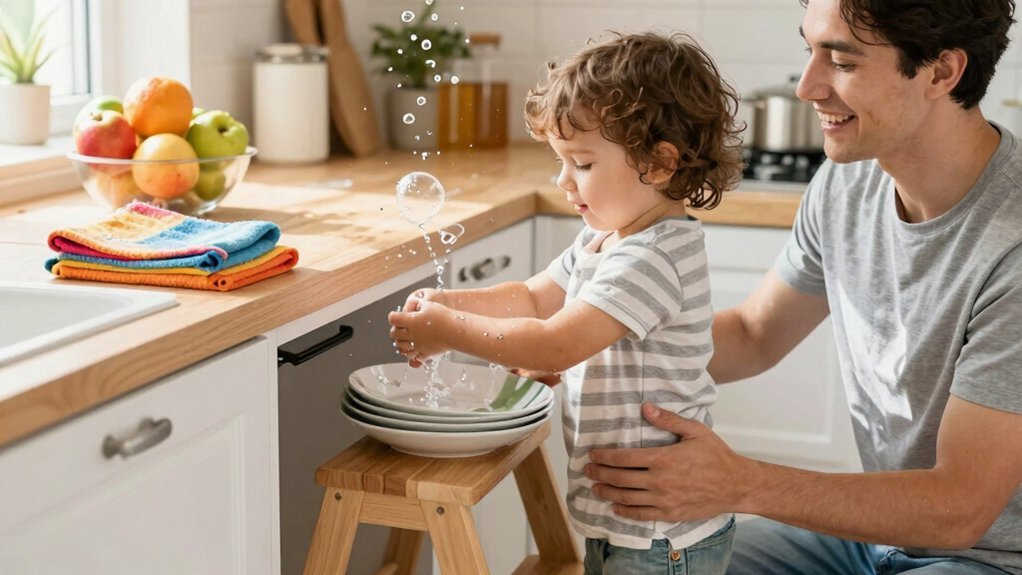
You’ll notice that chores quickly become a practical training ground for independence, as children take on age‑appropriate tasks that grow in complexity. You’ll see routines form, giving kids predictable structure that steadies daily life. Each time they clear dishes or fold laundry, confidence swells because they witness tangible results. Responsibility deepens when they link effort to outcome, learning that their actions affect the whole household. You’ll observe them mastering time management—planning, prioritizing, and following through without prompting. These habits spill over into schoolwork and friendships, reinforcing a self‑reliant mindset. By consistently engaging in chores, children internalize independence, building a solid foundation for future challenges while feeling proud of their contributions. Using tools like a Montessori step stool can further enhance this independence by allowing children to safely participate in kitchen tasks.
Choose Age‑Appropriate Chores for Kids
Which chores fit your child’s current abilities? Start with simple household chores that match their developmental stage, then expand as they master each step. For a 2‑year‑old, age‑appropriate tasks like putting toys away or helping feed a pet build independence without overwhelming them. By age 5, you can add making the bed and clearing dishes. Ages 9‑12 handle vacuuming, washing dishes, and taking out the trash, all while reinforcing routines and responsibility. Frame each task as a contribution to the family, so kids feel ownership. Model the process, give clear expectations, then gradually let them do it alone. Consistent, age‑appropriate tasks turn chores into a reliable routine that nurtures lasting independence. Incorporating tools like calming corner kits can help children develop emotional regulation alongside their practical skills.
How to Build Routines That Keep Kids on Track With Chores

Kick‑starting a predictable daily flow helps kids own their chores without feeling bombarded. Set a simple morning routine that includes a checklist—pack the backpack, brush teeth, put on shoes—so they see each step clearly.
Assign age‑appropriate tasks and let them mark completion; as competence grows, add a small responsibility like setting the table. Use transition periods between activities to avoid overwhelm, and model independence by doing similar tasks while narrating your planning.
Keep a visible chart of milestones; when a child consistently follows the routine for a week, celebrate with a sticker or extra playtime. This visual progress reinforces commitment, builds confidence, and turns chores into a natural, self‑directed part of their day.
Motivate Kids to Complete Their Chores
Why not turn chores into a choice‑driven adventure? You can give kids two simple options—like sweeping the kitchen or wiping the table—so they feel ownership while you keep expectations clear. Break each chore into bite‑size steps, then schedule a short transition period before starting; this builds confidence and motivation. Model the same tasks yourself and embed them in daily routines, so the activity becomes predictable and less of a hassle. Frame the work as a contribution to family life, and praise effort rather than perfect results; this fuels intrinsic motivation and reinforces independence. Finally, turn the chore into a quick game or challenge—who can sort socks fastest?—to keep engagement high and make completion feel rewarding.
What to Do When Kids Push Back on Chores?

Adding a short transition period or a tiny incentive can boost cooperation. Celebrate each effort with specific praise, reinforcing the habit that independence grows from consistent routines and shared problem‑solving. Incorporating age-appropriate tools, such as child-safe hammers and nails, can foster a sense of responsibility and fine motor skill development during household tasks.
Practical Chore Ideas for Kids That Build Independence
You can start with simple tasks—like tidying toys or making the bed—to give your child a quick win and a sense of competence.
Then let them pick which chore to tackle next or decide when to vacuum, turning routine work into choice‑based responsibility.
This blend of easy duties and limited decision‑making builds both independence and confidence.
Incorporating realistic features from Montessori-inspired play kitchens can further enhance fine motor skills and promote independent play.
Simple Tasks
Ever wonder how tiny, everyday chores can spark a child’s confidence? Start with age‑appropriate chores—2‑3‑year‑olds putting toys away, 6‑8‑year‑olds loading the dishwasher—to plant the seed of independence. Explain the task, do it together, then let them try on their own. This step‑by‑step routine builds ownership and steadies confidence. Use visual checklists or picture cues so they can see progress and manage time. Keep the routine predictable: always set the table before meals, always put laundry in the hamper after play. Praise the effort and process, not just the finished product, and slowly raise the difficulty as competence grows. These simple tasks turn daily chores into powerful stepping stones toward self‑reliance. Introducing child-safe tools like age-appropriate knives and cutting boards can further build independence and practical skills in supervised settings.
Choice‑Based Responsibilities
Curious how a simple choice can turn a routine chore into a confidence‑boosting lesson? Offer your child a few age‑appropriate options—like wiping counters or feeding the pet after dinner—so they feel ownership and learn decision‑making.
Start with small tasks for 4‑5‑year‑olds, such as setting the table or making the bed, then gradually expand the menu of choice‑based responsibilities.
Pair each option with clear expectations: “You can sort laundry by color or fabric, and you’ll finish both by bedtime.” Use a visual checklist to track completed choices, reinforcing routines and fostering independence.
Over time, these structured choices support early childhood development, building confidence, problem‑solving skills, and accountability without power struggles. Including safe and educational tools like child-safe cooking thermometers can also enhance learning and responsibility.
Frequently Asked Questions
How Do Cultural Differences Affect Chore Expectations for Children?
You’ll find that cultural norms shape chores: some societies expect kids to help early, others prioritize schoolwork, and gender roles often dictate specific tasks, so expectations vary widely across families.
Can Chore Charts Be Adapted for Children With Special Needs?
You can adapt chore charts for special‑needs kids by simplifying tasks, using visual cues, allowing flexible timing, and rewarding effort. Tailor each step to their abilities, and keep the chart consistent yet adjustable.
What Role Should Technology Play in Tracking Kids’ Household Tasks?
You should let tech simplify tracking, not replace effort. Use apps that send reminders, log completions, and give visual rewards, while keeping chores hands‑on so kids actually learn responsibility.
How Can Parents Balance Chores With Extracurricular Activities?
You should schedule chores and activities side‑by‑side, set clear time blocks, keep a visible calendar, and let kids pick tasks that fit their interests, ensuring both responsibilities and fun coexist.
What Are the Long‑Term Financial Benefits of Early Chore Responsibility?
You’ll see kids develop budgeting skills early, reducing future debt, and they’ll save money by handling household expenses themselves, which translates into higher savings, lower living costs, and stronger financial independence over time.