
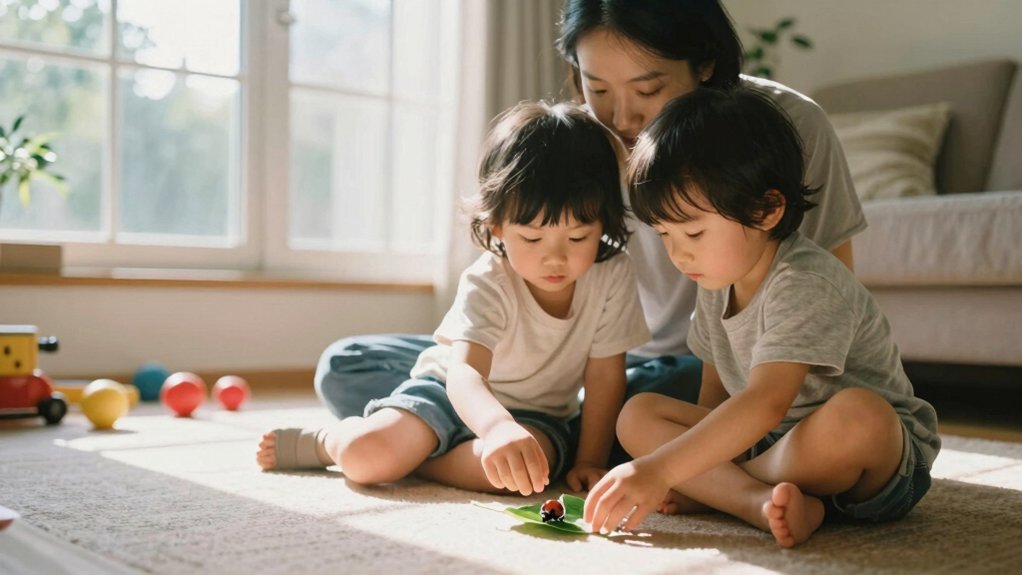
Mindful observation lets you pause, notice your child’s emotions, actions, and environment without judgment, then choose a compassionate response instead of reacting impulsively. It sharpens your awareness, deepens the parent‑child bond, and turns everyday moments into opportunities for calm, intentional interaction. By integrating short breathing cues and simple check‑ins, you build a sustainable habit that reduces reactivity and boosts trust. Keep going and you’ll discover practical steps to turn this insight into lasting family routines.
Define Mindful Observation for Parents
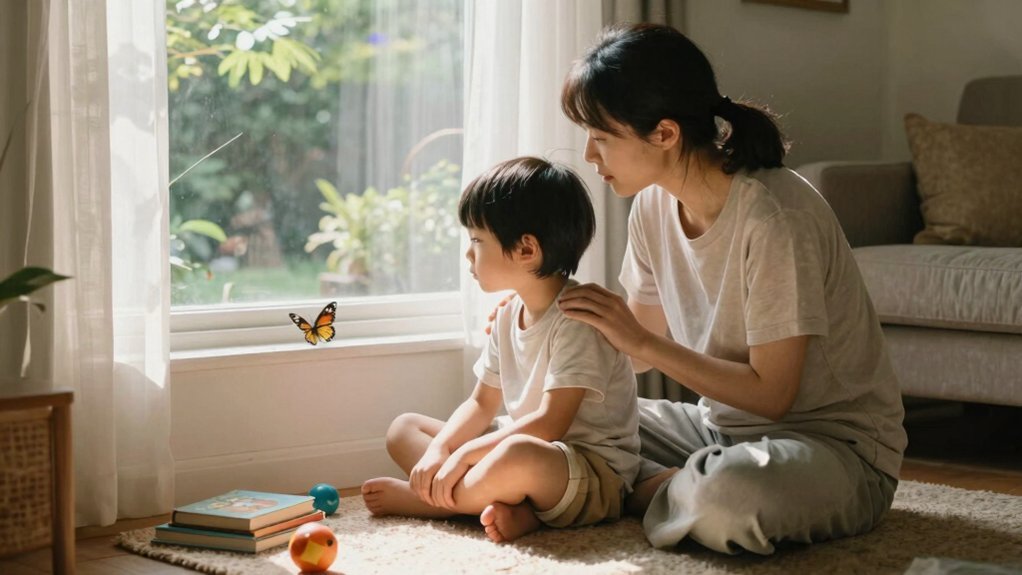
What does it mean to practice mindful observation as a parent? It’s the deliberate act of noticing your child’s actions, emotions, and surroundings with nonjudgmental awareness, then choosing a compassionate response. In parenting, you slow down, tune into cues like crying, hunger, or fear, and let present‑moment awareness guide you instead of reacting impulsively. This approach sharpens emotional regulation, because you focus on what’s happening now rather than on pre‑programmed, task‑oriented habits. Incorporating practical tools such as a Montessori step stool can further support your child’s independence and confidence in everyday activities.
Shift From Reactive Parenting to Reflective Observation
When you pause before reacting, you move from a reflexive stance to a reflective one, allowing mindful observation to guide your response. In the present moment, you notice your child’s cues and emotions instead of defaulting to impulse. A reflective pause creates space for nonjudgmental awareness, letting you choose actions that align with your values and your child’s needs. This shift transforms parent–child communication: you listen more deeply, respond more empathetically, and build trust. By observing without judgment, you foster a curious, safe environment where your child feels understood and emotionally regulated. Consistent practice of mindful observation leads to calmer parenting and fewer conflict escalations, strengthening the bond you share. Just as choosing the right storage with precise fits maximizes efficiency, thoughtful observation optimizes your parental response for lasting connection.
Five Simple Mindful‑Observation Techniques Parents Can Use Every Day

Having moved from a reactive stance to reflective observation, you can now apply concrete practices that keep you grounded in the present. First, pause during breakfast and notice the texture of food, your breath, and your child’s tone—this mindful observation anchors you in the present moment.
Second, practice nonjudgmental listening while they tell a story; focus on words and body language before forming a reply.
Third, use a “one‑minute check‑in” before bedtime: scan your emotions, label them, and let them pass.
Fourth, turn transitions (car rides, school drop‑offs) into mini‑meditations, observing each step without judgment.
Fifth, keep a simple journal of observed cues; it sharpens emotional awareness and reinforces these habits in daily routines.
Integrating tools with protective sheath features can further support mindful parenting by ensuring safety in hands-on activities with children.
Decode Your Child’s Signals With Mindful Observation
Ever wonder how a simple pause can turn a toddler’s tantrum into a clue about what they truly need? When you practice mindful observation, you slow down and tune into the child’s body language, tone, and facial cues. This nonjudgmental noticing lets you separate a hungry stomach or tired eyes from a surface outburst, fostering parent-child attunement.
During daily routines—meals, play, bedtime—you can label emotions quietly, validating feelings and guiding your child toward emotional regulation. Over time, you’ll recognize patterns, anticipate needs, and respond with compassion instead of reflex. The result is a calmer household, stronger connection, and a child who feels truly seen and understood.
Overcoming Common Barriers to Consistent Mindful Observation

You can carve out tiny pockets of time—like a minute before dinner or a quick walk—to practice mindful observation without overhauling your schedule.
Accept that imperfect moments are part of the process; each brief effort still builds your habit.
Time‑Management Strategies
Where does your day feel most chaotic? You can weave mindful observation into time management by anchoring yourself to the present moment during daily routines. A quick STOP/Observe pause before replying to a cry or a request lets you act with attentive parenting instead of autopilot. Use visual cues on the fridge or phone to remind you to breathe and notice your child’s signals. Short, frequent observation breaks during errands or waiting times transform scattered moments into reliable practice, building emotional attunement and trust.
- Place a sticky note at the kitchen sink as a reminder to pause.
- Pair a daily task (e.g., washing dishes) with a three‑second breath check.
- Set a timer for one‑minute mindful pauses during commute or grocery lines.
- Log each observation in a simple journal to track progress and reinforce habit.
Embracing Imperfection
Why let the chaos of daily life convince you that mindfulness must be perfect? You’re already juggling a hectic daily routine, so expecting flawless present-mord is unrealistic. Instead, treat each slip as a chance to deepen parenting observations. When you notice a missed cue, label the imperfection and gently return to the moment, rather than berating yourself.
Start with a brief, consistent pause—maybe one breath before dinner—to train your brain to stay present. Invite your child to notice a sound or feeling together; the shared activity normalizes imperfection and builds connection. Over time, this reframing from perfection to progress turns barriers into stepping stones, making mindful observation sustainable and enriching for the whole family.
Mindful Observation Activities You Can Do With Your Child
Ever wonder how a simple pause can turn everyday moments into powerful learning experiences? When you practice mindful observation, you pause, notice your child’s actions and emotions, and respond with curiosity instead of judgment. This builds trust, sharpens attention, and deepens communication.
Mindful pauses turn everyday moments into powerful learning, building trust, attention, and deeper communication.
Try these activities during play, meals, or bedtime to embed the habit in your parenting routine.
- Emotion‑Labeling Game: Pause, name the feeling you see, and ask, child to label their own emotion.
- Story‑Reflection Pause: After reading, pause and reflect back what the child expressed, highlighting emotions and motivations.
- Sensory Check‑In: During a walk, stop and ask what sights, sounds, or textures the child notices, fostering attentive observation.
- Trigger‑Spotting Sketch: Draw a simple scene together, then discuss what might trigger certain reactions, encouraging proactive awareness.
Measure How Mindful Observation Improves Parent‑Child Connection
Those observation activities set the stage for measuring their impact on your relationship with your child. Start by tracking moments when you pause, notice your child’s cues, and respond with present‑focused awareness. Record how often you shift from reflexive reactions to calm, empathetic communication. Compare the frequency of supportive exchanges before and after you practice mindful observation; a rise in trust, openness, and emotional security signals a stronger parent‑child connection. Use simple logs or rating scales to note reductions in parental reactivity during conflicts. Over weeks, you’ll see clearer patterns: fewer escalations, more collaborative problem‑solving, and deeper mutual understanding—concrete evidence that your mindful observation is transforming the bond. Incorporating tools that encourage self-directed play can further enhance observational awareness and deepen this connection.
Sustaining Mindful Observation Over Time: A Long‑Term Habit Guide
When you start with just a couple of minutes of mindful breathing each morning, the habit quickly becomes a natural part of your day, allowing you to pause, notice your child’s cues, and respond with calm awareness. Begin with short, consistent sessions and gradually extend them, turning mindful observation into a steady rhythm.
Pair each practice with daily rituals—like a bedtime check‑in—to reinforce present‑moment awareness. Involve your child in simple breathing or observation exercises, turning the habit into a shared experience that deepens parent‑child interactions. Finally, track progress with brief reflections or prompts that link the practice to your family values, keeping motivation high and habit formation solid.
- Set a 3‑minute morning breathing cue
- Add a 2‑minute evening reflection with your child
- Use a simple journal prompt after each session
- Celebrate small wins to reinforce the routine
Frequently Asked Questions
Can Mindful Observation Reduce Parental Guilt?
Yes, mindful observation can cut parental guilt; by focusing on present moments, you stop over‑criticizing past mistakes, accept imperfections, and respond more calmly, which eases self‑blame and builds confidence.
How Long Does It Take to Notice Benefits?
You’ll start seeing shifts within a few weeks, but deeper, lasting changes usually emerge after a month or two of consistent, mindful observation in your daily parenting routine.
Does This Approach Work for Toddlers and Teens Alike?
Yes, you’ll find mindful observation works for both toddlers and teens; it tunes you into their cues, builds trust, and adapts your responses, fostering growth at any age.
What if My Partner Isn’T Practicing Mindfulness?
You can still model calm, set clear boundaries, and share benefits; invite them gently, but don’t force practice—focus on your own consistency, and their curiosity may grow naturally over time.
Can Mindful Observation Improve Sibling Relationships?
Yes, mindful observation sharpens your awareness of each child’s feelings, so you can intervene gently, model empathy, and guide siblings toward understanding, reducing conflict and strengthening their bond.