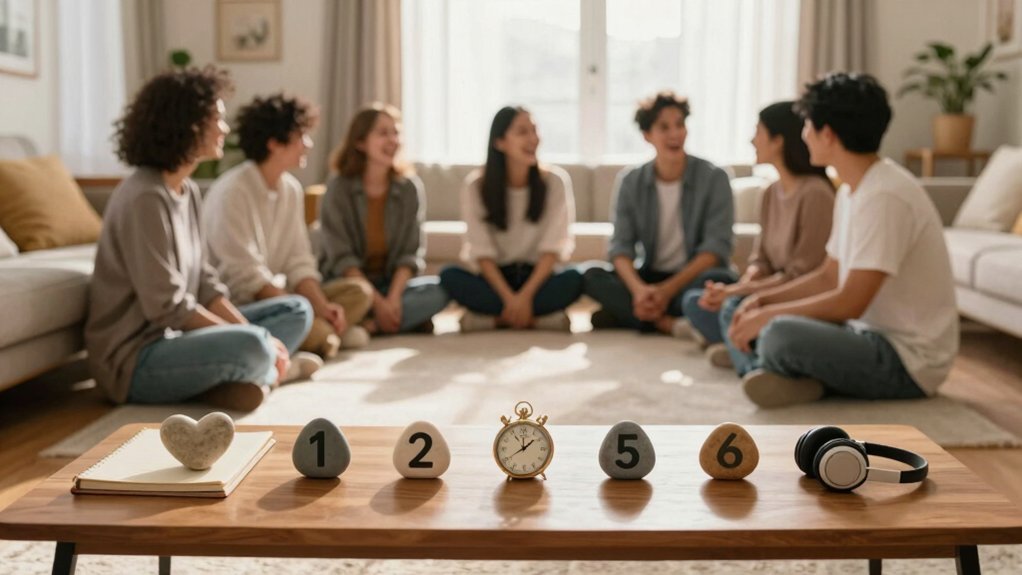
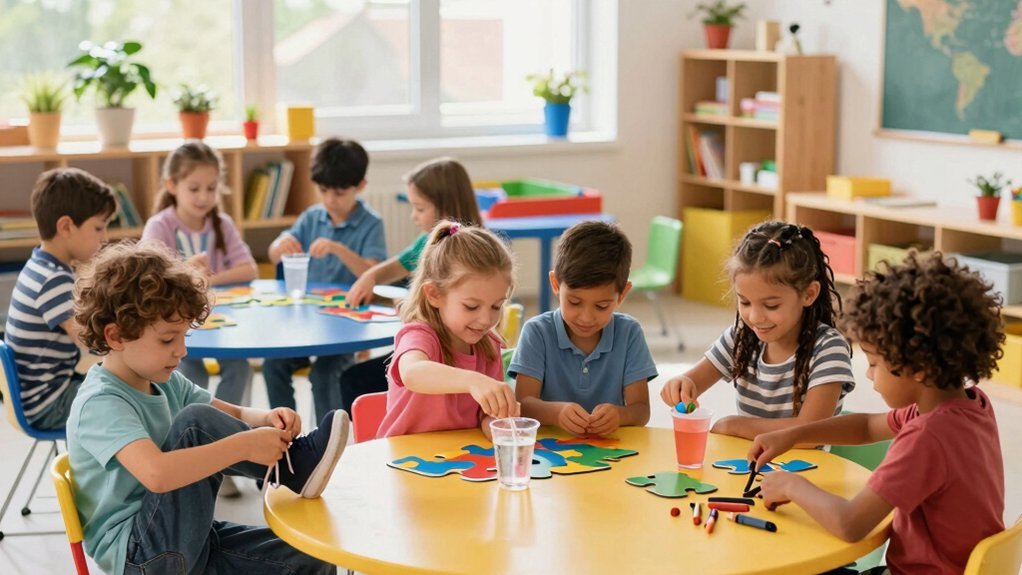
You can boost your child’s confidence by teaching seven essential life skills: a consistent morning routine with hygiene checklists, visual cue charts for hand‑washing and brushing, simple kitchen tasks like making a snack, organized storage for personal items, basic safety checks such as fire‑exit awareness, cooperative chores that build teamwork, and a visual reinforcement system with stickers or tokens. Mastering these habits creates independence, safety awareness, and collaboration, and the next steps will show you how to track progress effectively.
Why Teaching Practical Life Skills Matters for Kids

Why does teaching practical life skills matter for kids? You’ll see that practical life skills boost confidence and problem‑solving, giving kids tools that stretch far beyond school grades. When you weave independence into daily routines—like a morning chore chart or a simple kitchen task—children learn accountability and rhythm. They start tackling real‑world tasks such as setting a table, sorting laundry, or helping with grocery lists, which demystifies adult responsibilities. Observing you pump gas or plan a meal shows them how to handle everyday challenges without fear. By focusing on one or two age‑appropriate skills at a time and letting kids give input, you nurture resourcefulness and prepare them for a richer, self‑reliant life. This structured exposure builds a solid foundation for future success. Choosing tools like a Montessori-friendly step stool can further encourage independence by allowing children to safely reach and engage in practical tasks.
How to Teach Personal Hygiene Practical Life Skills
You can start by creating a morning routine checklist that lists each hygiene step, so kids know exactly what to do. Pair the list with visual cue charts that show pictures of hand‑washing, tooth‑brushing, and other tasks to reinforce the sequence. Then, use a positive reinforcement system—like stickers or praise—to celebrate when they follow the routine consistently. Organizing personal items in modular storage cubes can help elementary students maintain their hygiene tools in an accessible and orderly manner.
Morning Routine Checklist
Ever wonder how a simple morning routine can turn personal hygiene into a lifelong habit? You can start by creating a clear visual schedule that lists each step—brush teeth, wash hands, dress, and pack a snack. Assign a specific chore after breakfast, like wiping the table, to build accountability. Walk your child through the routine slowly, explaining why each self‑care action matters for health. Let them observe you preparing meals or checking a grocery list, then invite them to help. Use a Daily Rhythm Bundle chart to tick off completed tasks, reinforcing expectations and giving a sense of achievement. Consistent practice turns these actions into automatic habits that support lifelong hygiene and independence.
Visual Cue Charts
Visual cue charts turn abstract hygiene steps into concrete, bite‑sized actions you can point to and follow. You place a routine chart by the sink, each picture showing a single visual cue—wet hands, lather soap, rinse, dry. The child watches the sequence, then imitates, building independence with every repeat. By breaking brushing teeth or washing face into clear, illustrated steps, you give them a roadmap that removes guesswork and reinforces hygiene skills. Keep the charts at eye level in the bathroom and kitchen, so the reminders appear exactly when needed. Rotate images as they master basics, adding new cues for flossing or hand‑sanitizing. This visual system creates predictable habits, boosts confidence, and lets children take ownership of their daily care. Integrating emotion flash cards alongside hygiene cues can also support emotional regulation during routines, enhancing focus and calmness.
Positive Reinforcement System
Consistent hygiene habits stick when you pair them with clear, immediate rewards. You’ll see elementary students embrace hygiene routines faster if you use positive reinforcement that feels personal and specific. Praise a job putting toothpaste cap back or “nice job drying hands completely” right after the action, and attach a small token or privilege they can collect. Track each success with a quick note, then celebrate progress weekly to keep motivation high.
- Sticker chart – each completed step earns a colorful sticker.
- Token jar – tokens trade for extra recess time or a favorite activity.
- Verbal praise – precise, enthusiastic feedback reinforces the exact behavior.
- Gradual fade – slowly reduce prompts as the routine becomes automatic.
This system builds life skills, boosts confidence, and turns hygiene into a fun, repeatable habit. Using positive reinforcement with immediate recognition and rewards helps maintain consistent behavior and creates a defined system for success.
Building Confidence With Simple Home‑Management Practical Life Skills
A simple morning chore after breakfast—like making your bed or clearing the table—sets a clear rhythm and gives you a tangible way to contribute to the household. By tackling a quick, repeatable task, you build confidence and see how home‑management fits into daily life. Using a chore chart from the Daily Rhythm Bundle makes responsibility visible, so elementary students can track progress and feel proud of each check‑off. Watching adults plan meals or pump gas shows how practical life skills extend beyond the kitchen, reinforcing real‑world relevance. Explain each step slowly, let the child mirror the process, and celebrate the completion; the routine becomes a confidence‑boosting habit. Introducing simple kitchen tools with child-safe protective features encourages safe participation and skill-building in everyday food preparation.
| Task | Skill | Why it matters |
|---|---|---|
| Make bed | Organization | Shows order and pride |
| Clear table | Responsibility | Links effort to family |
| Load dishwasher | Independence | Encourages self‑reliance |
| Sort laundry | Planning | Develops practical life skills |
Developing Safety Awareness Through Everyday Practical Life Skills
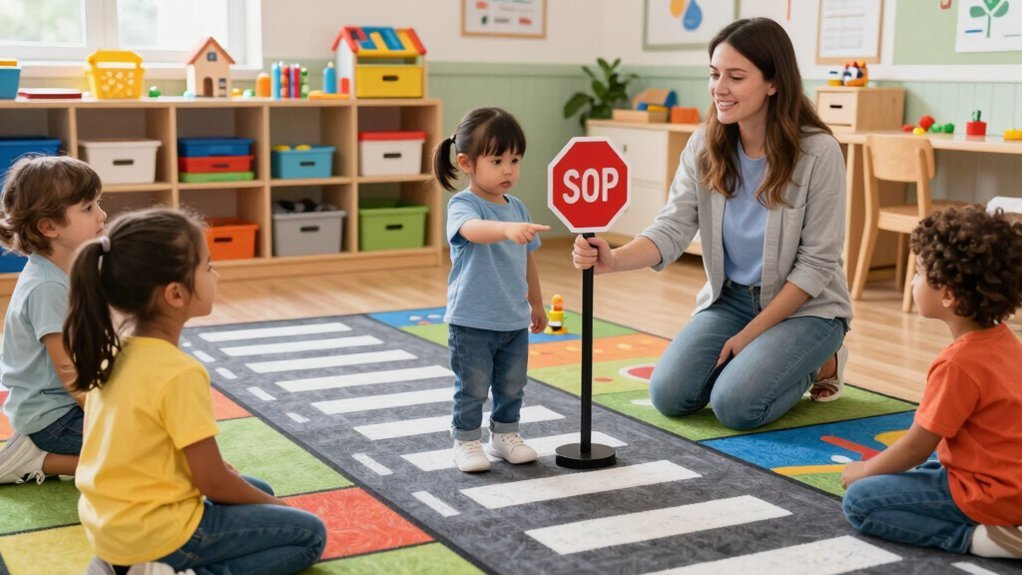
You’ll start by turning everyday chores into safety routines, so kids know exactly what to do each day. As they spot hazards while cooking or organizing, they build the confidence to recognize risks before they become problems. And when a sudden issue arises, those same practices give them a clear, simple plan for basic emergency response. Incorporating child-safe utensils with features like spill prevention technology can further enhance these routines by minimizing accidents and promoting independent skills.
Safety Routines
Start each day with a simple chore after breakfast—making your bed, wiping the table, or sorting shoes—to set a rhythm that teaches responsibility and embeds safety habits right into everyday life. When you pair those chores with clear supervision, you turn ordinary tasks into safety routines that reinforce practical life skills. A visual chore chart keeps the schedule visible, so kids see what’s expected and why it matters. By slowing down to explain each step, you nurture confidence and decision‑making in real‑world settings.
- Check fire exits before leaving a room.
- Wash hands after handling groceries or mail.
- Store knives safely while helping in the kitchen.
- Report spills immediately to prevent slips.
Incorporating hands-on activities with Montessori geometry aids can further develop children’s spatial reasoning and cognitive skills while reinforcing safe and structured learning environments.
Hazard Spotting Skills
After the morning chores settle the routine, the next step is to train kids to spot hazards before they become problems. You’ll guide them through daily checks—locking doors, securing bags, and scanning for unattended appliances—so hazard spotting becomes second nature. Use visual checklists and role‑playing drills to boost safety awareness while walking to the car or bus stop. Encourage them to look both ways, note any near‑miss incidents, and write brief reflections as near-miss documentation. Reinforce calm decision‑making by reminding them to ask an adult when something feels off. By linking these habits to clear emergency procedures, you build confidence and a proactive mindset that keeps them safe in school, home, and public spaces.
Emergency Response Basics
One simple habit can turn a chaotic moment into a calm, effective response: teach kids to recognize when help’s needed, know how to call emergency services, and recall their own address and phone number. You can weave safety awareness into daily routines—checking locked doors, securing bags, and confirming personal items—so preparedness feels natural, not scary. Role‑playing emergencies and scheduling disaster drills give them a chance to practice calm communication and remember emergency contacts. When they see a fire alarm or hear a loud crash, they’ll pause, assess risk, and act confidently.
- Identify the danger
- Call 911 or local emergency number
- State address and phone number clearly
- Follow instructions from responders
Fostering Relationship Skills With Cooperative Practical Life Skills
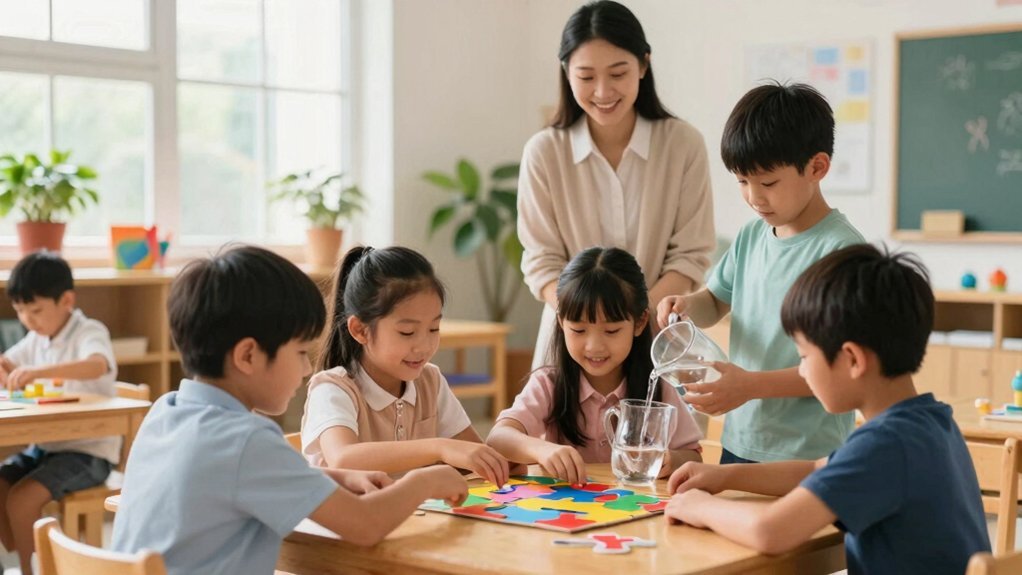
Ever wondered how teamwork can become a daily habit for your child? You can nurture cooperation by assigning joint chores, like setting the table together, and by modeling respectful communication during family meals. In school, let them join coding challenges or student‑run businesses where collaboration is essential. Teach them to balance personal needs with group objectives through patience and empathy, discussing comfort levels in group settings. Use non‑threatening opportunities—such as a class garden project—to practice teamwork and conflict navigation. After each activity, guide a brief reflection: What worked? How did they support each other? This habit of evaluating collaboration builds accountability, strengthens relationships, and turns cooperative practical life skills into a natural part of everyday life.
Using Morning Routines to Instill Practical Life Skills Accountability
When the day starts, assigning morning chores right after breakfast creates a clear rhythm that teaches accountability. You’ll notice elementary students become eager to follow the schedule, and the life‑skills habit builds naturally. By using the Daily Rhythm Bundle chart, you set expectations, slow down to explain each step, and let kids watch adult tasks like meal planning. This connection makes chores feel meaningful, not just a list to tick.
- Make the bed – a tangible win that signals responsibility.
- Set the table – reinforces sequencing and care for shared spaces.
- Tidy personal items – cultivates organization and self‑reliance.
- Check the schedule – encourages foresight and reinforces the morning routines structure.
These simple actions embed accountability, boost confidence, and lay a solid foundation for lifelong practical skills.
How to Track Practical Life Skills Progress With Simple Chore Charts
Start by placing a simple chore chart where your child can see it each morning, then use it to record each task they complete throughout the day. Choose a chart from the Daily Rhythm Bundle for a clear visual schedule that highlights morning chores and later activities. As your elementary student checks off each item, you’re tracking progress and reinforcing practical life skills like cooking, cleaning, and observing adult tasks. Keep the system flexible: add one or two new skills each week while retaining the core routine. Involve your child in planning—let them pick a grocery list or help with meal prep—so they see the purpose behind each chore. Review the chart together nightly, celebrate completed tasks, and adjust goals to sustain growth and accountability.
Frequently Asked Questions
What Are the 7 Essential Life Skills for Kids?
You need Communication, Collaboration, Critical Thinking, Creativity, Leadership, Growth Mindset, and Fortitude. These seven skills help you express ideas, work with others, solve problems, innovate, guide teams, stay resilient, and persevere.
What Are 10 Basic Life Skills for Students?
You’ll teach them cleaning, laundry, simple cooking, scheduling, timer use, prioritizing schoolwork, active listening, teamwork, budgeting allowances, and basic nutrition, each building independence, responsibility, and healthy habits.
What Are Life Skills for Elementary Students?
You teach elementary students skills like dressing themselves, preparing simple snacks, managing money, organizing school supplies, following schedules, cleaning up, communicating needs, solving basic problems, using time, and collaborating with peers.
What Are the 7 Basic Life Skills?
You’ve got seven basics: communication, collaboration, critical thinking, creativity, leadership, growth mindset, and fortitude. Master each, and you’ll navigate school, work, and life with confidence and resilience.