

Notice subtle cues like a furrowed brow, sigh, or restless movement, then label the feeling—“You look upset” or “You seem tired”—so your child feels seen. Pair each label with a gentle, concrete option, such as a hug, a pause, or a calm activity, and keep a quick mental note of patterns to anticipate needs. Consistently using this observation‑label‑response loop builds trust, security, and a deeper bond, and more tips await if you keep exploring.
Why Mindful Observation Builds Trust and Security
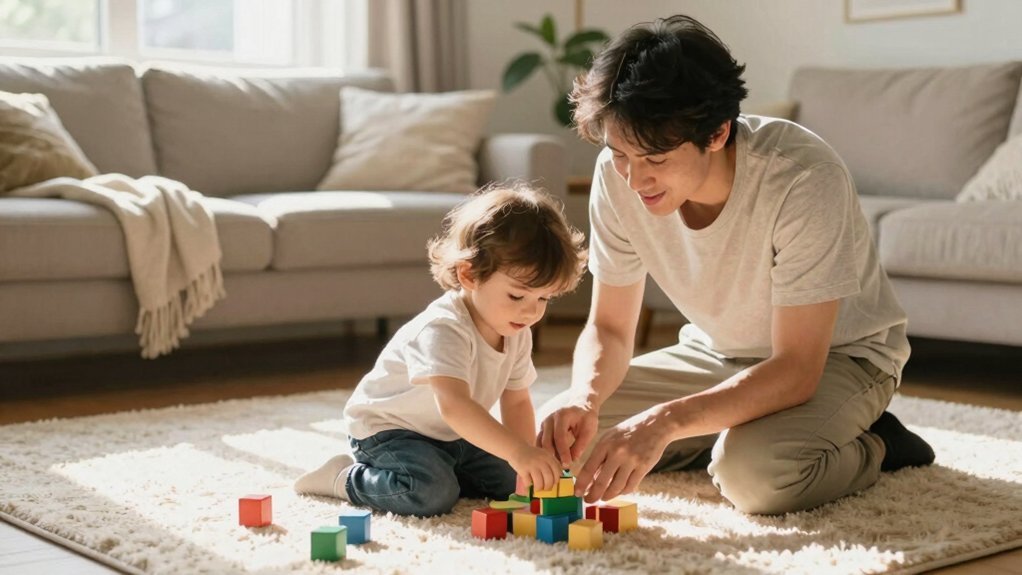
Why does mindful observation matter? When you watch your child with intention, you tune into subtle cues that reveal their inner world. This deliberate focus strengthens the child‑parent bond by showing your little one that you see and value them.
Mindful observation deepens parent‑child bonds by tuning into subtle cues and affirming each child’s inner world.
Each attentive moment becomes a building block for trust, because you respond consistently to their needs, fostering security and secure attachment.
By integrating mindful observation into daily routines, you turn ordinary quality time into a powerful platform for responsive caregiving. You learn to notice patterns, celebrate strengths, and gently guide behavior, which deepens the parent‑child relationship.
The result is a resilient, trusting connection that supports growth, love, and lifelong wellbeing.
Choosing tools like a Montessori-friendly step stool promotes independence and confidence, further strengthening these bonds.
How to Spot Your Child’s Emotional Cues With Mindful Observation
Building on the trust you’ve already cultivated through mindful observation, you can now learn to spot your child’s emotional cues. Watch for subtle shifts in facial expression, tone, and body language; a furrowed brow, a sigh, or crossed arms often signal frustration or fatigue. Keep a brief note of each cue and its context—hunger, bedtime, schoolwork—to build reliable patterns. When you notice a cue, pause, make eye contact, and name the feeling: “You sound upset.” This feelings validation reinforces the parent-child bond, deepens trust, and creates security.
Over weeks, your observation log will reveal trends, letting you anticipate needs before they erupt. Consistent, mindful observation turns fleeting signals into clear guides for supportive interaction. Using visual markers can also help track and anticipate emotional patterns more effectively.
How to Turn Mindful Observations Into Gentle, Attuned Responses
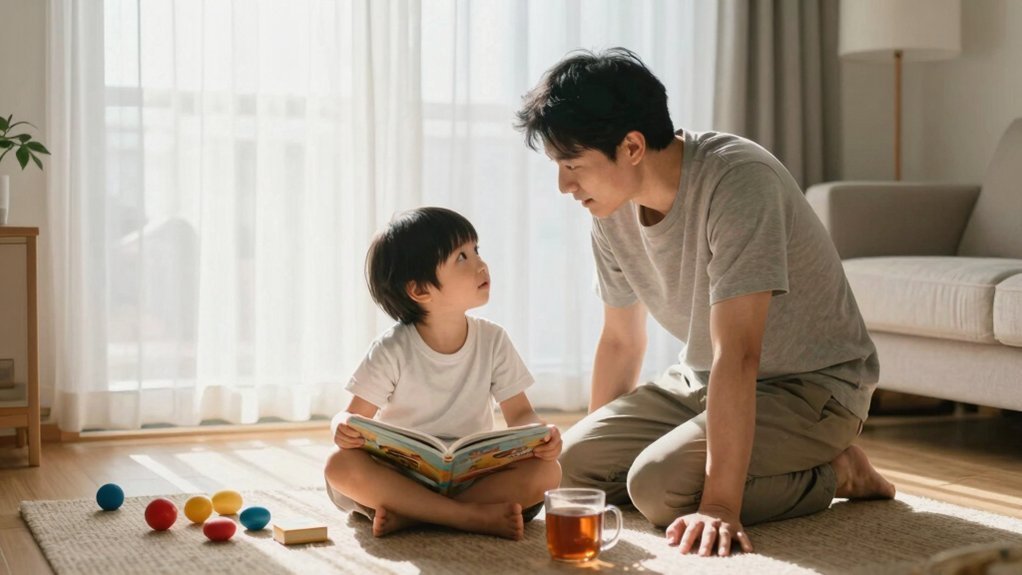
Ever notice how a quick glance at your child’s furrowed brow or a sigh can steer the whole interaction? By turning mindful observations into gentle, attuned responses, you create time‑rich attunement that builds trust and deepens the parent‑child bond. Start with nonjudgmental cueing: label the emotion (“I see you’re frustrated”) and offer a concrete, soothing option. Keep a running note of patterns so you can anticipate needs before they become overt requests. Integrate these insights into daily routines, adjusting environment and activities to match your child’s readiness. The result is a seamless loop of observation, emotion labeling, and responsive care that reinforces connection.
| Cue | Response |
|---|---|
| Furrowed brow | “You look upset; want a hug?” |
| Sigh | “Sounds like you’re tired; shall we pause?” |
| Avoiding eye contact | “I notice you’re looking away; it’s okay to share.” |
| Restless movement | “Let’s try a calm activity together.” |
Frequently Asked Questions
How Often Should I Practice Mindful Observation Each Day?
You should aim for three to five short sessions daily, each lasting five to ten minutes. Consistency builds the habit, deepens awareness, and strengthens your connection with your child.
Can Mindful Observation Help With Sibling Rivalry?
Yes, mindful observation can ease sibling rivalry. By noticing each child’s feelings and triggers, you intervene calmly, model empathy, and guide them toward understanding, reducing tension and fostering cooperation.
What if My Child Doesn’T Show Clear Emotional Cues?
If you can’t read clear cues, pause, ask gently, and label feelings out loud; you’ll model emotional literacy, invite sharing, and gradually help your child express what they’re experiencing.
Do Cultural Differences Affect How I Interpret My Child’s Signals?
Yes, cultural differences shape how you read your child’s signals; norms, expressions, and expectations vary, so you’ll need to stay aware, ask clarifying questions, and adapt your interpretations accordingly.
How Can I Involve Other Caregivers in Mindful Observation?
Invite caregivers to join you during daily routines, model attentive listening, share specific moments you notice, and ask them to record brief reflections. Celebrate each insight together, reinforcing consistent, mindful observation across the family.