
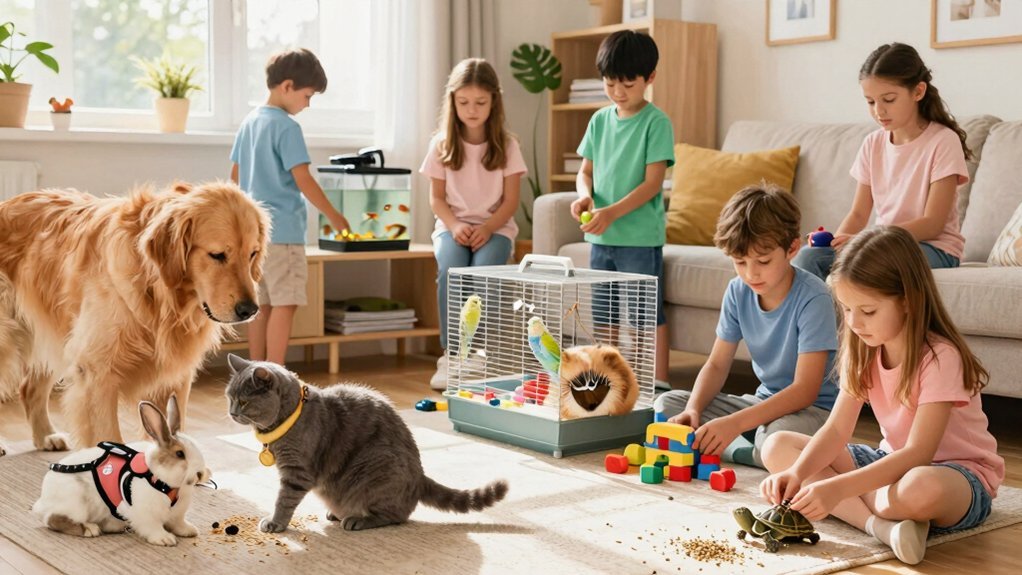
Give your child a stuffed‑animal care station and track feeding, brushing, and bedtime on a simple chart. Take them to a local shelter to watch staff feed, clean, and check health, then write a thank‑you note together. Build a mini vet clinic with toy supplies for role‑playing exams and symptom spotting. Set up a backyard wildlife feeding station and keep an observation journal of sightings and care tasks. Craft DIY pet toys and supplies to spark kindness. Involve them in real vet visits, helping note vaccinations and post‑visit care. Keep these habits consistent, and you’ll discover even more strategies soon.
Why Teaching Kids Pet Care Responsibility Matters
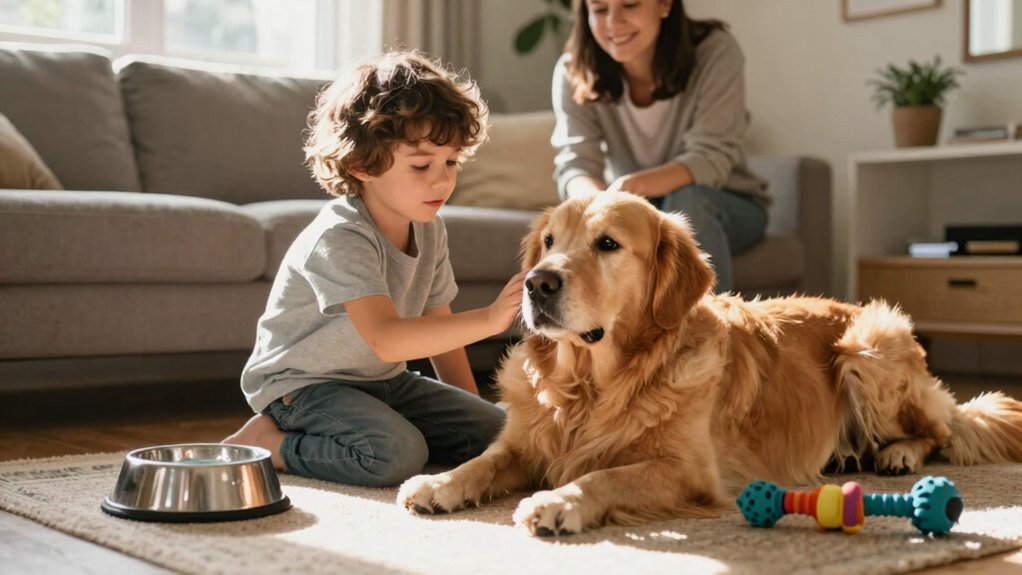
Why does caring for a pet matter for kids? You’ll see that pet care becomes a daily lesson in responsibility. Feeding, walking, and grooming turn abstract duties into concrete actions, so kids learn to link their behavior to a living being’s wellbeing. As they notice a wagging tail or a contented purr, empathy grows; they start to sense the animal’s feelings and respond gently. Planning meals, scheduling vet visits, and prioritizing play teach time management and accountability. Real‑world experiences—like watching a vet examine a cat—reinforce the importance of consistent, professional care. Supervision ensures safe handling, while gentle interaction nurtures respect. Ultimately, these habits shape a child’s character, turning routine pet care into lasting life skills. Introducing hands-on activities with age-appropriate tools can further enhance learning and responsibility.
Create a Stuffed‑Animal Pet Routine and Track It With a Pet‑Care Chart
When you set up a tiny care station for one or two stuffed animals, you instantly give kids a concrete routine to follow—feeding, brushing, a short “walk,” and bedtime—while a simple pet‑care chart lets them check off each task and see their progress. Choose a name, place a pretend food bowl, a grooming towel, and a soft nap spot. Let the child decide whether Teddy the dog wants a morning walk or Bella the bunny prefers an afternoon nap. This ownership fuels pretend play and makes routines tracking feel like a game. A visual chart reinforces consistency and builds confidence in real‑world pet care. Incorporating tools with non-slip surfaces ensures safety while children engage in their care routines.
| Day | Task | Done? |
|---|---|---|
| Mon | Feed | ☐ |
| Tue | Brush | ☐ |
| Wed | Walk | ☐ |
| Thu | Bedtime | ☐ |
| Fri | Check‑in |
Visit a Local Animal Shelter to Model Real-World Pet Care

When you visit a shelter, you’ll see staff feeding, cleaning, and checking health signs, giving you a front‑row view of daily pet care.
After the tour, write a thank‑you note to acknowledge their effort and reinforce gratitude.
Then talk with your child about each animal’s specific needs, linking what they observed to the responsibilities they’ll take on at home.
Observe Observe Daily Shelter Operations
Visiting a local animal shelter lets you see real‑world pet care in action, from feeding and cleaning to basic medical tasks that staff perform daily. As you walk through, make observations about shelter routines: how volunteers rotate feeding stations, how cages are sanitized, and how vets handle vaccinations. Notice the calm way staff soothe nervous animals and how they document each animal’s health, which builds empathy in kids. Point out the differences between caring for a high‑energy dog versus a delicate rabbit, and explain why each routine matters. After the tour, discuss how these real‑life practices translate to home responsibilities, reinforcing the idea that consistent, compassionate care is a lifelong habit. Encourage children to develop age-appropriate design elements in their pet care routine, ensuring activities match their abilities and build confidence through responsibility.
Write Thank‑You Notes
After watching the shelter staff feed, clean, and tend to each animal, guide the kids to write a brief thank‑you note that highlights those specific actions. Tell them to mention how volunteers walk dogs, give cats fresh water, and organize enrichment toys. Encourage precise language: “Thank you for feeding the puppies, cleaning the kennels, and checking each pet’s health.” Explain that noting medical checks and adoption paperwork shows they understand the full scope of pet care. Have them sign the note with a smile and a promise to help at home. When they deliver the thank‑you notes, they’ll see gratitude reinforces empathy, connects classroom lessons to real‑world shelter work, and strengthens their sense of responsibility.
Discuss Animal Needs
A handful of kids can instantly see how shelter staff juggle feeding, cleaning, and health checks, giving them a vivid picture of real‑world pet care. You’ll notice a child watching volunteers refill water bowls, sweep cages, and log vaccinations, all while the pet’s wellbeing stays front‑and‑center. This real‑time exposure teaches empathy, responsibility, and the routine of daily care. After the visit, encourage your child to write a thank‑you card, reinforcing gratitude and the effort behind each task. If a trip isn’t possible, stream shelter videos or scroll photo galleries; the same lessons about nutrition, hygiene, and medical needs still shine through. Using visual differentiation and tactile learning methods can enhance a child’s understanding of complex care routines.
| Task | What the child learns |
|---|---|
| Feeding | Proper nutrition and portion control |
| Cleaning | Hygiene, habitat upkeep, and safety |
| Health checks | Vaccinations, vet visits, and monitoring wellness |
Build a Mini Home Vet Clinic for Observation Skills

Transform your living room into a mini veterinary clinic using soft toys, bandages, cotton balls, spoon “thermometers,” and a medical‑charts notebook, then let the kids rotate between vet and pet‑parent roles to practice spotting symptoms, asking diagnostic questions, and discussing simple care steps. You’ll see them use observation skills as they note a toy dog’s limp or a cat’s shivering, prompting questions like “Why is the puppy sad?” or “What can make the cat feel better?” The pretend play mirrors real pet care: they measure temperature with the spoon, count a pulse, and write findings in the notebook. Storytelling ties each check‑up to a care plan, reinforcing gentle handling, problem‑solving, and the habit of following through on simple health tasks. Using an adjustable low art easel as part of the setup can help children organize their notes and drawings for improved observation skills.
Care for Backyard Wildlife to Reinforce Consistent Pet‑Care Habits
You’ll set up feeding stations like bird feeders and shallow water dishes, then keep an observation journal to note which creatures visit. By tracking daily visits, you reinforce the habit of regular checks, just like you’d feed and brush a pet. This simple routine teaches responsibility while showing how consistent care benefits all animals. Using storage solutions with water-resistant materials can help keep pet care supplies organized and protected during outdoor activities.
Feeding Stations
Ever wondered how a simple backyard feeding station can turn daily pet‑care routines into a fun, educational habit for kids? You’ll see that setting up labeled containers for birds, squirrels, and other wildlife makes pet care tangible. A fixed feeding time builds responsibility, while kids learn to check water, clean spills, and keep feeders safe from pets. Hand‑washing after refilling reinforces hygiene, and short talks about why routine matters connect wildlife feeding to caring for family pets.
- Choose sturdy, weather‑proof containers and label each with the intended species.
- Schedule a consistent daily feeding time and stick to it.
- Teach kids to refill water, clean messes, and place feeders out of pet reach.
- Emphasize hand‑washing and no direct wildlife.
- Use each session to discuss how steady care supports animal wellbeing and mirrors pet‑care responsibility.
Incorporating tools that support independent, self-directed play can help children develop consistent pet-care habits through active engagement.
Observation Journals
After setting up the feeding stations, grab a notebook and start an observation journal. You’ll log daily wildlife sightings—species, time, weather—to mirror the routine of caring for pets. Each entry notes feeder refill dates, water bowl cleanliness, and any squirrel or bird interactions, turning simple metrics into a habit of responsibility.
Encourage your child to sketch or photograph each visit, then write a short reflection on how consistent care at home matches the needs they observe outdoors. Review the journal weekly together, discussing which pet‑care tasks were completed, what adjustments are needed, and how reliable attention to wildlife reinforces reliable, caring for pets habits. This practice builds accountability and connects backyard stewardship to everyday pet responsibility.
Craft Easy Pet Supplies With Kids to Boost Creativity and Kindness
How can a simple craft turn a rainy afternoon into a lesson in kindness and creativity? You can guide kids to make pet supplies that teach responsibility while sparking imagination. Start with a stuffed‑animal “pet routine” chart using empty bowls, a grooming towel, and a soft nap spot. Turn the living room into a pretend pet clinic, complete with toy tools and a notebook for medical notes. Use everyday items to braid T‑shirt tug toys, create a tissue‑box foraging puzzle, or build a cardboard bed. Schedule a weekend craft session to produce blankets or chew toys for a local shelter, then discuss how each item comforts a pet. Pair every project with a reflection prompt about empathy and care.
Rainy crafts become kindness lessons, turning everyday items into pet‑care projects that spark empathy and imagination.
- Stuffed‑animal routine chart (feeding, brushing, bedtime)
- DIY pet clinic with toy supplies and observation notes
- Braided T‑shirt tug toy for interactive play
- Tissue‑box foraging puzzle that encourages problem‑solving
- Cardboard shelter bed or blanket donation project for local pets
Involve Kids in Vet Visits and Health Checks for Long‑Term Pet Care
Curious about turning a routine vet visit into a hands‑on learning adventure? You can involve children by letting them watch temperature checks, listen to the veterinary visits, and help document vaccination schedules. Before the appointment, have them prepare a question list and practice describing the pet’s daily habits, appetite, or behavior changes.
During the visit, teach note‑taking: record medications, refill dates, and post‑visit care instructions. Encourage kids to gather health records and bring a calm presence, reinforcing pet care responsibilities.
Afterward, create a simple health‑tracking chart that marks annual exams, vaccines, dental cleanings, and preventive therapies. This ongoing involvement links each veterinary visit to long‑term pet care, building confidence and accountability.
Frequently Asked Questions
Can My Child Handle a Pet if They Have Allergies?
Yes, you can still give them a pet, but first manage the allergies. Choose hypoallergenic breeds, keep the environment clean, use air purifiers, and monitor symptoms closely. Adjust care routines as needed.
What Age Is Safe for Kids to Give Medication to a Pet?
You can start letting kids give pet medication around age 10, but only if they understand dosage, can read labels, and you supervise every step. Below that, keep the responsibility with an adult.
How Do I Prevent Sibling Rivalry Over Pet Responsibilities?
You prevent rivalry by assigning clear, rotating tasks, rewarding each child equally, setting firm rules, and holding brief family meetings where everyone shares progress and concerns, keeping expectations consistent and fair.
Should I Let My Child Choose Any Pet Breed?
You should let your child pick a breed that matches your lifestyle, space, and time commitment. Research temperaments, size, and care needs first, then involve them in the decision to ensure realistic expectations.
What if My Child Forgets to Clean the Pet’s Litter Box?
If your child forgets to clean the litter box, remind them promptly, set a visual schedule, and make it a quick, shared task. Offer gentle encouragement, and track consistency with a simple chart.