
Notice when your child’s eyes light up, when they sink into quiet focus, and when they need a pause; mark those bursts of curiosity and the calm interludes. Build a routine that mixes predictable anchors—like a cozy breakfast read‑aloud or family meals—with flexible slots for deep‑dive play and rest. Offer choice‑driven prompts (“draw or build?”) to honor their autonomy, and adjust activities as their energy peaks and dips. Keep observing, and you’ll discover more ways to support their rhythm.
How to Recognize Your Child’s Unique Learning Rhythm
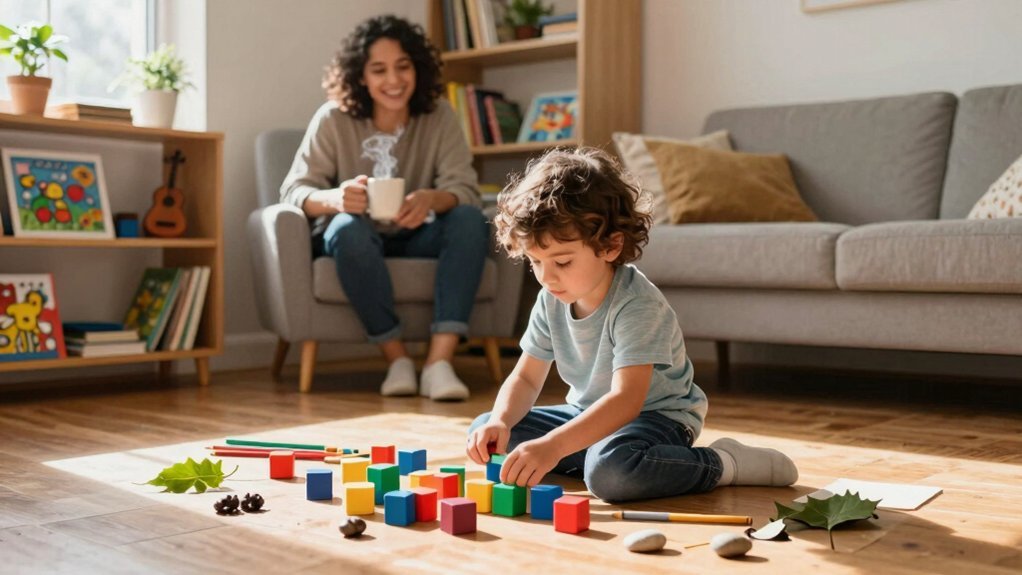
When you watch your child closely, you’ll notice patterns in how they engage, tire, and rebound—these cues reveal their personal learning rhythm.
You’ll see the pace at which curiosity sparks, the length of attention they sustain, and the moments they need a safe, predictable routine.
Notice how a child‑centered environment lets them dive into a task, then pause when fatigue sets in.
Mark the times they naturally gravitate toward quiet exploration versus active play.
These observations give you a clear map of their rhythm, letting you adjust activities, breaks, and expectations.
Providing tools like a Montessori-friendly step stool can support independence while respecting their natural learning flow.
Designing Flexible Daily, Weekly, and Seasonal Rhythms That Match Their Energy
Ever wondered how a simple framework can keep your child’s day flowing while honoring their natural energy? Build daily anchors—cozy breakfast read‑aloud, quiet drawing time, family meals—that give a predictable structure without locking every minute. Use a flexible schedule for weekly activities, like poetry teatime on Tuesdays and game night on Fridays, so children can anticipate yet adapt to shifting focus. Align seasonal rhythms with nature’s cycles—autumn nature crafts, winter candle‑making, spring gardening, summer water play—to match energy peaks and dips. Observe, tune, and let spontaneity slip in through pauses, rest, or impromptu hikes, keeping learning rhythm gentle and child‑centered.
| Timeframe | Focus |
|---|---|
| Daily | Anchors & predictable structure |
| Weekly | Dedicated activities & flexible schedule |
| Seasonal | Natural rhythms & energy‑aligned projects |
| Observation | Tuning to child’s pace |
| Spontaneity | Pauses, rest, impromptu experiences |
Using Gentle Observation and Choice‑Based Prompts to Foster Self‑Directed Growth
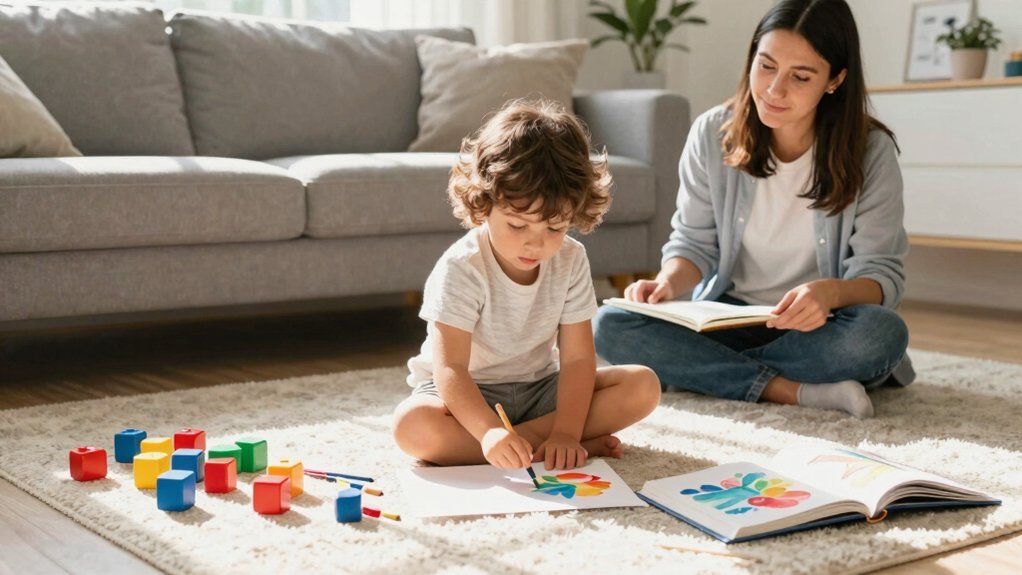
How can you turn simple observation into a catalyst for your child’s self‑directed growth? You start with gentle observation, noting what captures attention, how long focus lasts, and the joy in each activity. Then you sprinkle choice‑based prompts—“Would you like to draw or build?”—to invite autonomy and spark meaningful play. By tracking pacing, you respect the child’s rhythm, avoiding rush or comparison. Readiness cues like deep concentration or a brief pause tell you when to lean in or step back, supporting self‑regulation. Document recurring patterns of curiosity‑driven exploration, and use those insights to shape future experiences that nurture child engagement, autonomy, and sustained self‑directed growth. Using tools with kid-friendly design supports safe and engaging hands-on learning experiences that respect children’s natural curiosity.
Frequently Asked Questions
How to Help a Kid Learn Rhythm?
You help a kid learn rhythm by letting them clap or tap to favorite songs, using simple beats, encouraging free movement, and gradually adding patterns while praising their natural timing and enjoyment.
What Are 5 Examples of Rhythmic Activities?
You can try a cozy read‑aloud breakfast, quiet drawing or journaling, family storytime, rhythmic body‑percussion games, and seasonal crafts like pumpkin carving or gardening, each fostering natural learning flow.
Do People With ADHD Have Good Rhythm?
Yes, you’ll often find that people with ADHD can groove well when they’re enjoying the activity. Their spontaneous entrainment shines in music, dance, games, or any fun, rhythm‑driven task.
What Are the 7 Elements of Rhythm?
You’ve got seven rhythm elements: daily, weekly, seasonal cycles; smooth; repetition; predictability; and flexibility for spontaneous moments. Each shapes how you structure and adapt learning experiences.



Leave a Reply