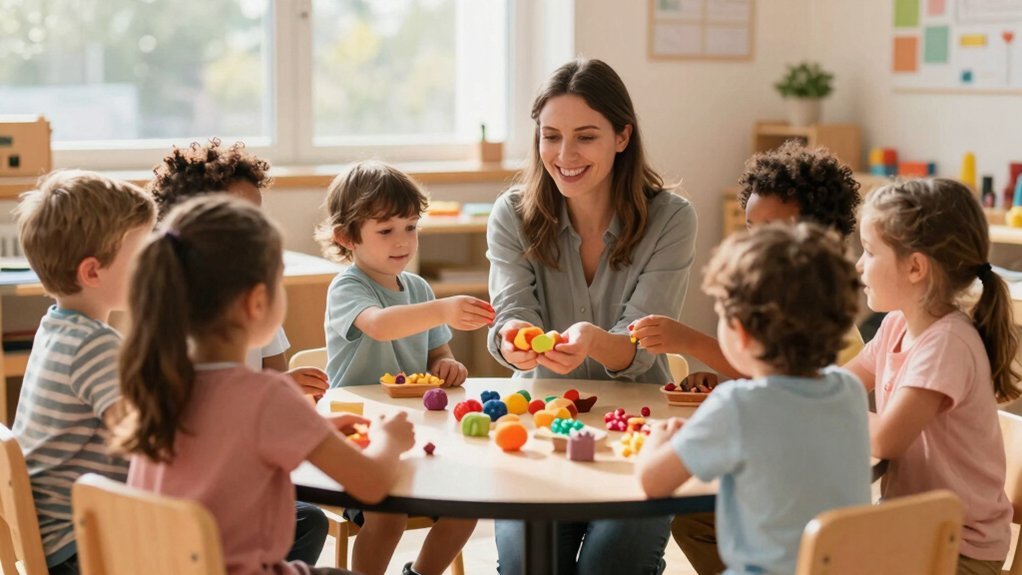
You’ll start by modeling calm, specific requests—“Can I have the blue crayon, please?”—and pairing them with sincere thank‑you’s after a kind act. Use real‑life moments and role‑play to make the phrases feel natural, and keep the tone neutral, not overly emphatic. Celebrate spontaneous politeness with low‑key praise that repeats the child’s exact words. Consistency and gentle reinforcement let the habit grow, and the next steps will show you how to deepen the practice.
Why Teaching “Please” and “Thank You” Matters
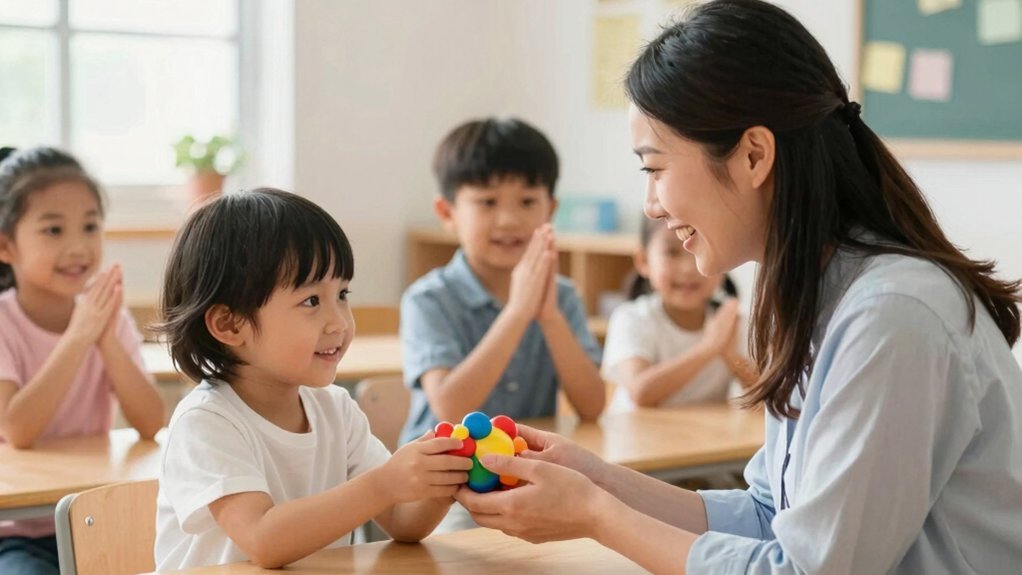
Why does teaching “please” and “thank you” matter? You’ll notice that early exposure to these words builds habit through daily repetition and pleasant social interactions. When you ask, “What do you say?” or “What’s the magic word?” you guide the child toward polite phrases as language develops. Pair the request with the actual need—like “Please give me the car”—so the child learns that politeness signals real wants, not empty words. As they grow, gradually phase out prompts and pause after a request, encouraging independent use of please and the item or action. If you spot speech or language concerns, consult a speech‑language pathologist for early intervention and tailored strategies. This foundation nurtures respectful communication and social confidence. In teaching children, incorporating training mechanisms can also help guide their learning process effectively.
Model Polite Requests With Clear “Please” Prompts
After showing why politeness matters, start showing kids exactly how to ask. Model “please” with a warm smile during daily interactions—say, “May I please have a cookie?” so they hear a clear, specific prompt. Use real‑life scenarios: “Hands to yourself, please, Maya,” then a quiet “thank you” once the action’s done. Move from single‑word requests to full sentences, keeping the tone calm and measured—“Milk, please,” then “Please can I’ve more milk?” Pair each prompt with a gentle delivery to avoid sounding demanding, while staying firm and courteous. Publicly model decency in routines like meals or classroom tasks, normalizing “please” before requests and “thank you” after outcomes. Creating a safe and supportive environment with features like a four-sided safety rail can also promote independence and confidence in young children.
Explain Why Saying “Thank You” Matters After a Kind Act

Ever wonder how a simple “thank you” can turn a small kindness into a lasting habit? When you model the phrase right after a generous act, you reinforce gratitude, signal appreciation, and teach fine manners. Children see the direct link between the act and the words, which builds a habit of acknowledging help. A calm, deliberate delivery shows genuine feeling, not just rote compliance. Pairing “thank you” with real acts daily strengthens social norms and encourages repeated kindness.
Modeling “thank you” after kindness builds lasting gratitude habits and reinforces genuine appreciation.
- Name the specific action (“Thank you for sharing your snack”).
- Make eye contact to show sincerity.
- Use a calm, steady tone.
- Repeat consistently in everyday moments.
Incorporating hands-on learning tools into daily routines supports the development of genuine gratitude and social skills.
Use Real‑Life Situations to Teach “Please” and “Thank You
Try role‑playing simple scenarios, such as asking for a turn or receiving a gift, and watch how the words naturally fit the feeling.
Using realistic object matching in learning materials can help reinforce polite language through tangible examples.
Everyday Moments Highlight Politeness
When you weave “please” and “thank you” into everyday moments—like saying, “Hands to yourself, please, Maya,” then quietly adding “Thank you” once she complies—you turn ordinary interactions into natural lessons in courtesy. You can embed politeness in routine tasks, turning each small exchange into a teachable event.
- At the dinner table, ask, “Pass the carrots, please,” then thank the child when they hand them over.
- While cleaning up toys, say, “Help me pick up the blocks, please,” and acknowledge the effort with a sincere “thank you.”
- During bedtime, request, “Close the book, please,” and whisper “thank you” when the page is turned.
- In the car, prompt, “Seatbelt on, please,” and reward compliance with a quick “thank you.”
These tiny moments reinforce courteous language without pressure. Using tools with child-safe safety features can also cultivate responsibility and mindfulness in young helpers.
Role‑Play Real Scenarios
Keep body language relaxed—smiles, eye contact, slower speech—to reinforce politeness naturally. After each scene, add a brief comment: “You used please before asking, and you said thank you right after receiving.” Switch roles frequently so kids see both requesting and responding, cementing the social rhythm. Integrating tools like Montessori-inspired learning can enhance these social skills through structured yet playful interactions.
Connect Words to Feelings
Ever notice how a simple “please” can turn a routine request into a moment of cooperation, while a heartfelt “thank you” instantly lifts both the giver’s and receiver’s spirits? When you pair those words with feelings, kids see the invisible link between language and emotion. Show them that “please” signals respect and invites help, and that “thank you” signals appreciation and makes everyone smile.
- Ask, “Could you please open the door?” then point out the relief you feel when the door opens.
- Say, “Thank you for sharing your crayons, Sam,” and highlight the joy it creates.
- Model, “Please pass the salt, Mom,” and note her willingness to help.
- End with, “Thank you for listening,” and watch the pride in their eyes.
Using tools with safe-handling designs can reinforce the importance of care and respect in everyday actions.
Keep Requests Calm and Specific, Not Overly Emphatic
When you ask a child to do something, phrase it as a calm, direct action—like “Hands to yourself, please.” Follow the behavior with a quiet “Thank you” to reinforce the request without sounding punitive. Keep your tone neutral and pair the request with a brief reason so the child knows exactly what you expect and why.
Calm, Requests
How can you make a request feel gentle yet unmistakable? Use a calm, neutral tone and pair the ask with “please.” Model the behavior by following the action with a quiet “thank you.” This reinforces the habit without sounding demanding.
- State the need clearly, then add “please” (e.g., “Sit down, please”).
- Keep your voice soft and steady; avoid shouting or exaggerated intonation.
- After the child complies, whisper a low “thank you” to affirm the response.
- Consistently embed politeness in daily routines so the child sees it as normal, not a special performance.
Specific, Not Over‑emphatic
If you keep requests specific and calm, the child learns exactly what you expect without feeling pressured. Use “Hands to yourself, please, Maya,” then a quiet “Thank you” once she complies. Pair each “please” with a concrete action—“Please pass the pillow”—so the child sees the word tied to a clear request, not an abstract nicety. Avoid exaggerating the politeness; let the tone stay neutral and the emphasis stay on the behavior. Demonstrate the pattern daily, modeling it in real time rather than issuing commands. When the child follows through, respond with a brief “Thank you” to reinforce the connection. Consistent, measured language builds understanding without overwhelming the child.
Celebrate Spontaneous Politeness With Low‑Key Praise
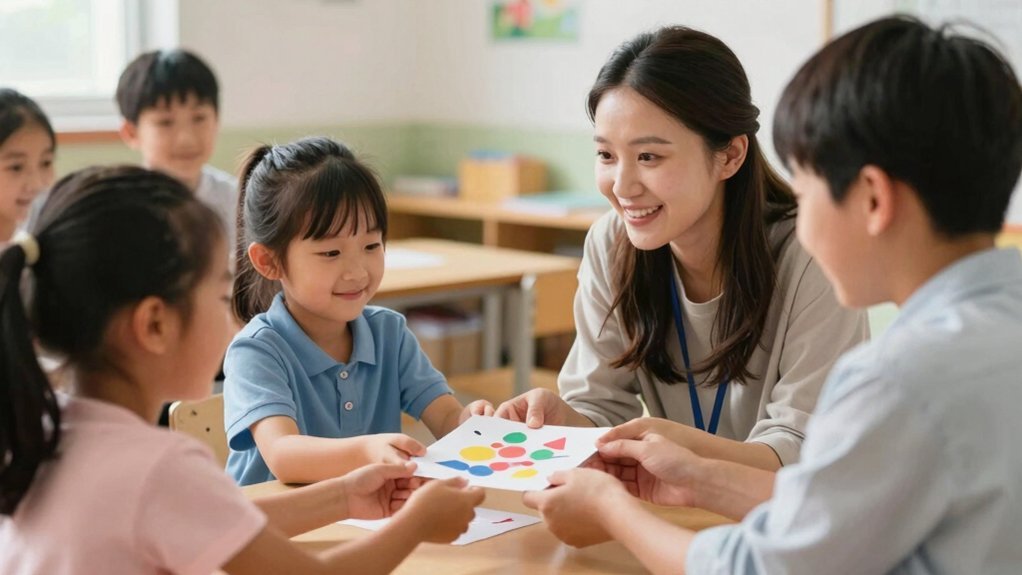
Ever notice how a quick “Nice sharing, thank you for saying please” can make a child’s polite habit feel natural? You can keep that spark alive with low‑key praise that feels genuine, not theatrical. When you catch spontaneous politeness, acknowledge it calmly and link the comment to the specific action. This short, sincere moment reinforces the behavior without turning it into a performance.
Low‑key praise using the child’s own words reinforces genuine politeness without turning it into a performance.
- Spot the moment and say a brief, calm comment.
- Use the child’s exact words in the praise.
- Keep the tone relaxed, avoiding exaggerated excitement.
- Log each instance to see the gradual rise in voluntary politeness.
Trust the Politeness Process: Allow “Please” and “Thank You” to Mature Naturally
Ever notice that children often pick up “please” and “thank you” when they see you using them naturally, rather than when you force the words? You can trust the process by keeping your tone calm, offering polite language as a backdrop, and letting the phrases mature over time. When a child is upset, pause instead of pushing. Later, in a relaxed moment, demonstrate the words again—your modeling shows respect without pressure. Consistent, low‑key exposure builds genuine appreciation and long‑term usage.
| Situation | What to Do |
|---|---|
| Calm moment | Say “please” and “thank you” naturally |
| Child upset | Wait, then model politely later |
| Routine task | Integrate polite language into instructions |
Frequently Asked Questions
How to Teach a Child to Say “Please” and “Thank You”?
You model polite phrases, repeat them during play, pause for the child’s response, praise attempts, and gradually shift from “milk please” to full requests, reinforcing “thank you” after receiving help.
What Is the 7 7 7 Rule for Parenting?
You follow the 7‑7‑7 rule by giving your child seven minutes of focused attention, seven minutes of calm discipline, and seven minutes of positive connection, keeping each segment short and balanced.
Should You Force Children to Say “Please” and “Thank You”?
You shouldn’t force them; instead, model polite language, gently prompt them, and let natural habits form. Consistent, calm examples build genuine respect, so “please” and “thank you” become authentic, not imposed.
What Is the 777 Rule for Toddlers?
You follow the 777 Rule by waiting seven seconds, giving a brief explanation, then modeling a polite phrase like “please” or “thank you” while staying calm and consistent.