

You respect a child’s voice by listening first, pausing to watch their actions, and interpreting without labeling. Keep your gaze soft, mirror their posture, and note subtle cues—like a sigh or a pause—while they stay immersed in play. Check your own expectations and cultural lenses, and collaborate with colleagues to keep bias in check. Turn these unbiased observations into brief, targeted supports that align with the child’s needs and interests, and you’ll discover deeper strategies ahead.
Why Listening First Matters for Respectful Observation
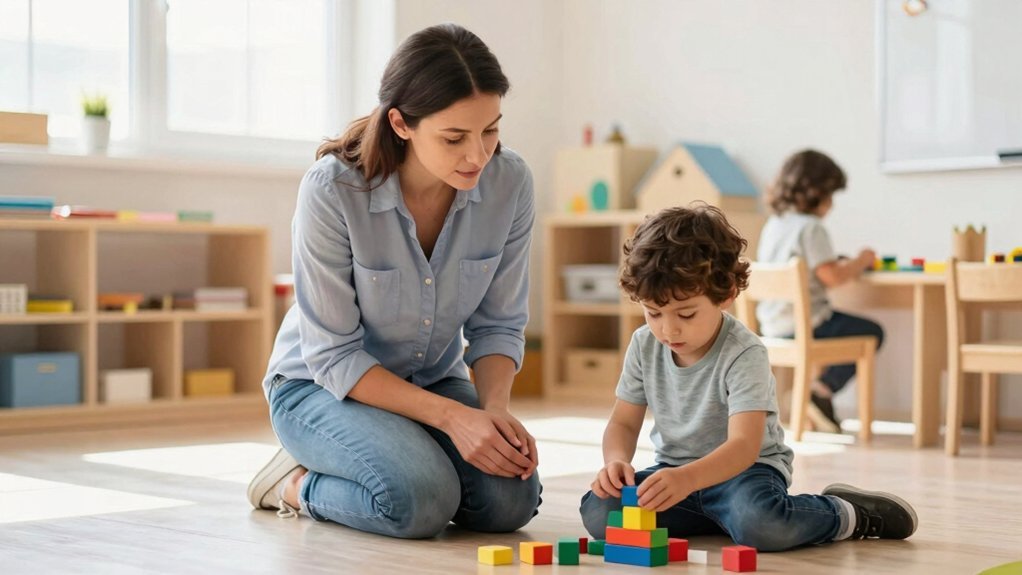
Why does listening first matter? You pause, observe children, and let their actions settle before you speak. That pause lets you see the context—what happened before, what follows, and the social backdrop—so you interpret behavior without labeling it as misbehavior.
Active listening then lets you mirror their body language, echo their attempts to communicate, and build trust. By focusing on their underlying goal—hunger, fatigue, curiosity—you respond accurately, reducing bias and supporting individualized planning. You align your actions with their message, fostering development and rapport. When you prioritize listening, you create a respectful observation loop that honors the child’s voice and guides you toward more effective, compassionate interaction. This mirrors the Montessori principle of fostering independence and respect, much like the thoughtful design of a Montessori-friendly step stool that supports safe, independent exploration.
Capturing a Child’s Intent Without Interrupting Play
After you’ve listened and let the scene settle, the next step is to capture the child’s intent while they stay immersed in play. You keep your gaze soft, mirror their body language, and note subtle cues—like a pause before a new block is placed or a sigh that signals frustration. Your observation stays silent, recording timing, participants, and the sequence of actions. This data lets you infer goals without steering the activity, preserving the child’s agency and the natural flow of play.
- Mirror gestures and posture to stay in sync with the child’s focus.
- Log concrete timestamps and who’s present to spot patterns.
- Use brief, neutral notes so you don’t break the play rhythm.
Spotting Biases That Undermine Respectful Observation
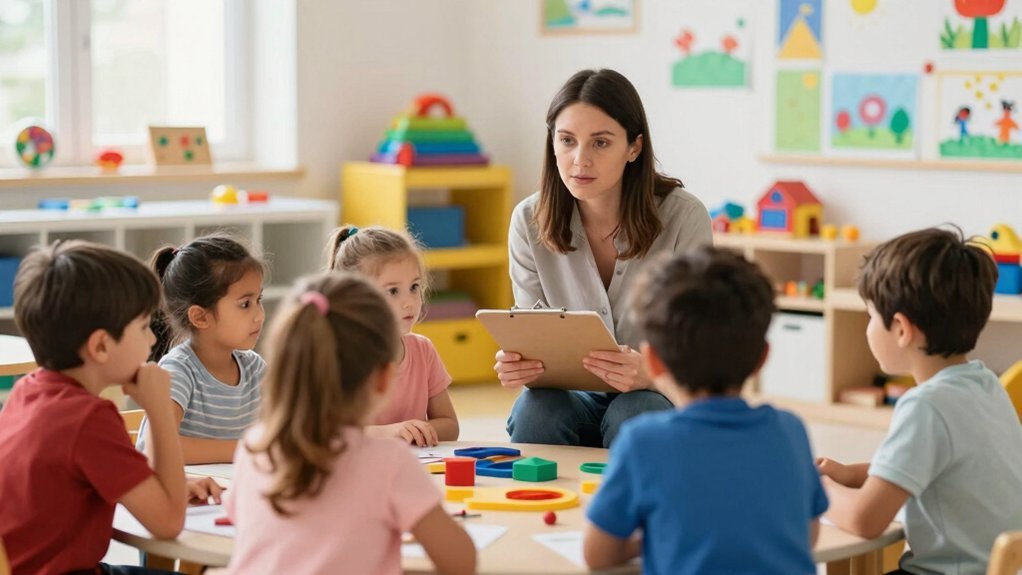
How can you keep your observations truly respectful when hidden biases creep in? Notice when you project personal expectations onto a child’s actions; that bias can warp intent and need. Ask yourself whether cultural beliefs are coloring your read of behavior, and pause before labeling. Collaborate with colleagues—share notes and reflect together—to boost objectivity and catch blind spots. Treat each action as purposeful, not “good” or “bad,” and focus on description over judgment. Be honest in your reflections, and seek professional development that sharpens self‑awareness. By regularly questioning assumptions and inviting diverse perspectives, you keep observations accurate, respectful, and truly supportive of every child’s unique experience.
Turning Observations Into Actionable Support for Each Child
What if you could turn every careful note into a concrete step that truly meets a child’s needs? When you finish a respectful observation, you already have a timeline of actions, triggers, and outcomes. The next move is to translate that data into individualized supports that echo the child’s intent. By spotting observing patterns, you can predict what’ll help next and avoid guessing. Then you design a brief, specific intervention that aligns with the child’s development and interests, and you share it with families to keep the support consistent across settings.
- Identify recurring triggers and strengths.
- Co‑create a targeted activity that addresses the observed need.
- Document the response and adjust the plan as new patterns emerge.
Providing environments with accessible, low bookcase options can enhance independence and support developmental goals.
Maintaining Respectful Observation in Busy Early‑Years Settings
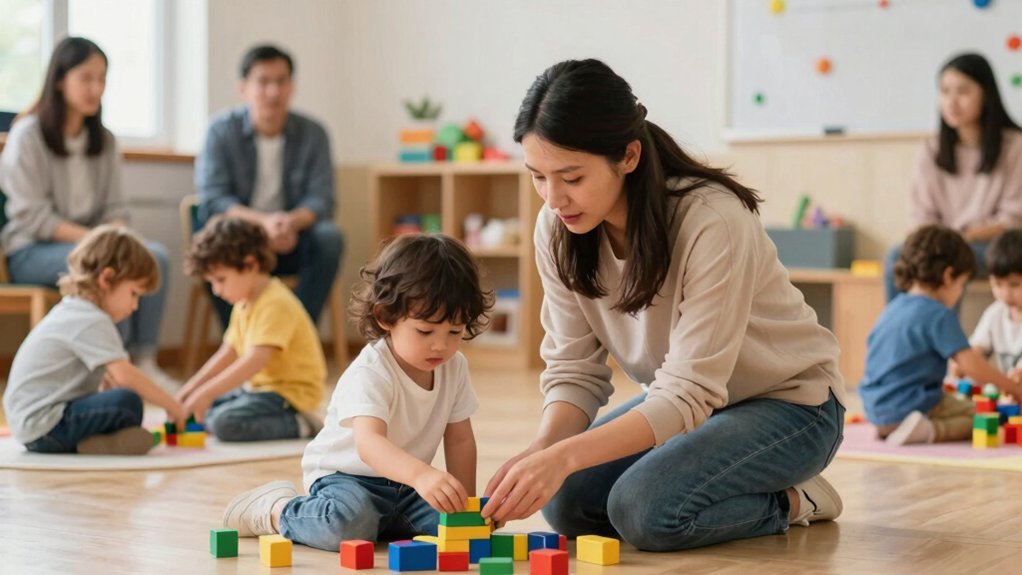
Ever wondered how to keep respectful observation alive when the room buzzes with activity? In busy early‑years settings you can still capture meaningful data by slowing down just enough to notice intent. Use short notes, quick narratives, or a scrapbook style record that captures patterns without jumping to conclusions. When you’re observing children, mirror their body language and note the environment across contexts—alone, with peers, with family—to build a holistic view. Describe actions, identify triggers and consequences, and avoid labeling. Collaborate with families and engage in ongoing professional development to curb bias, protect confidentiality, and ensure your findings support development. This disciplined, reflective approach upholds respectful practice even amid the hustle.
Frequently Asked Questions
What Makes Observations Respectful?
You make observations respectful by focusing on the child’s intent, describing actions without judgment, noting context, mirroring their pace, and keeping data confidential, all while showing genuine patience and curiosity.
What Makes a Good Child Observation?
You make a good child observation by recording precise, neutral details of actions, timing, and people; linking events to possible needs; checking with families; and revisiting your notes to refine understanding.
What Are the Ethical Considerations in Child Observation?
You must protect privacy, obtain consent, keep data secure, avoid influencing behavior, respect autonomy, record accurately, limit use to intended purposes, and treat observations non‑judgmentally.
How to Respect Children’s Views?
You respect children’s views by listening closely, mirroring their language, asking open‑ended questions, and reflecting their ideas in your actions and documentation, ensuring their perspectives shape decisions and support.