

Use natural consequences to turn a child’s behavior into a clear, safe lesson instead of a threat. First, let the outcome happen immediately—like feeling cold when a jacket is forgotten—so they link action to result. Second, stay calm, show empathy, and ask how they felt to reinforce reflection. Third, keep the consequence brief, relevant, and non‑threatening, adding problem‑solving tools if needed. Keep exploring these steps to discover deeper strategies.
What Are Natural Consequences and Why They Matter

Why do natural consequences matter? They let you see directly how a behavior creates a result, turning abstract rules into tangible lessons. When a child pushes a friend and feels the friend’s hurt, the experience becomes a natural consequence that sparks behavior learning. You keep the outcome safe and logical, so the child isn’t exposed to danger while still feeling the impact. This approach aligns with conscious discipline, which favors real‑world impact over threats or arbitrary punishments. By letting the child experience the result of teasing, name‑calling, or breaking a routine, you reinforce the link between actions and outcomes. The result is lasting change, deeper understanding, and healthier decision‑making. Just as effective training tools use natural materials and precise design to promote growth safely, natural consequences foster learning through real experiences.
How to Implement Natural Consequences With Children
When a child’s behavior naturally leads to an outcome—like a spilled drink after they ignore a spill—there’s a clear, immediate lesson without you stepping in.
First, identify a safe and logical consequence that directly follows the child behavior.
For example, if they forget a jacket, let them feel the cold briefly, then discuss why dressing prepares helped them.
Stay calm, show empathy, and ask how they felt.
Encourage reflection by linking the feeling to the action, turning the event into learning.
Keep the consequence brief, relevant, and non‑threatening.
If the result feels ineffective, consider adjusting the consequence or pairing it with other disciplinary strategies, always maintaining a supportive tone.
Using tools like a Montessori step stool can foster independence, which supports natural learning and consequence understanding.
When Natural Consequences Fail: Troubleshooting and Alternatives
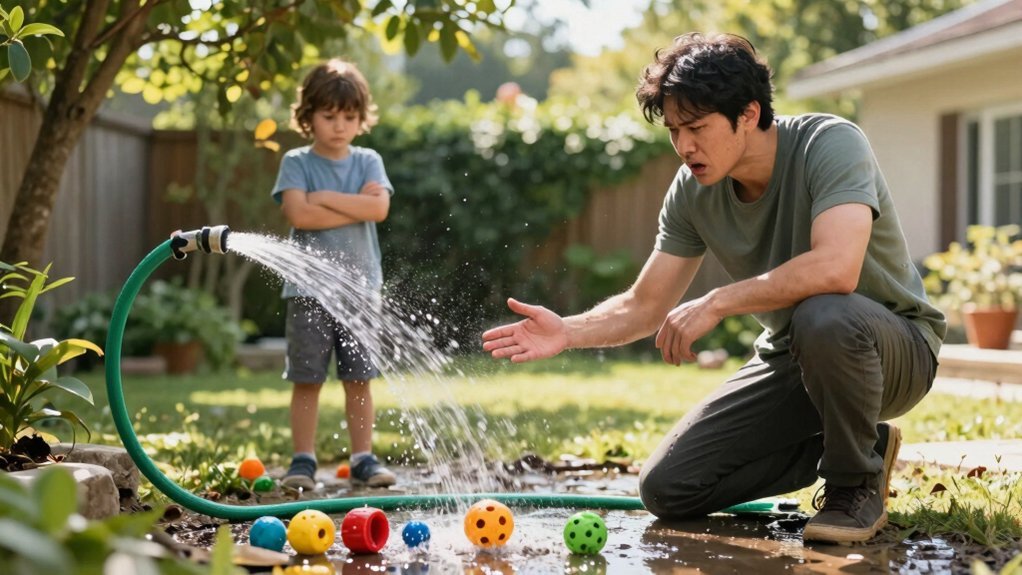
Ever notice that a child’s natural consequence sometimes doesn’t change the behavior? When that happens, pause and assess why the outcome isn’t linking to the action. Is it too mild, or does it lack safety or relevance?
Pause, assess why the outcome doesn’t link to the action—mild, unsafe, or irrelevant.
First, offer empathetic guidance: acknowledge feelings, then explain the logical link between behavior and result.
If the child keeps testing limits, shift to problem‑solving with the whole family or class, brainstorming alternatives that reinforce responsibility. Keep any new measures safe, related, and clear.
For serious violations, replace natural consequences with defined, consistent alternatives that reflect zero‑tolerance policies. Throughout, model reflective empathy, ensuring the child feels heard while learning to make future‑safe choices.
Incorporating tools that foster problem-solving skills can support children’s understanding of consequences and decision-making.
Frequently Asked Questions
What Are the 3 R’s of Punishment?
You’ll find the three R’s of punishment are Related, Respectful, and Reasonable—meaning the consequence must link directly to the behavior, stay free of shame, and be fair in severity and duration.
What Is the 3-3-3 Rule for Children?
You apply consequences within three minutes, keep them private when possible, and make them proportionate—so the child feels the impact quickly, without public shaming, and the punishment matches the misbehavior.
What Are the 5 C’s of Discipline?
You apply the 5 C’s by being clear about expectations, staying consistent with rules, remaining calm when enforcing them, keeping the connection through empathy, and delivering logical, related consequences.
What Are Three Types of Consequences?
You’ll find three consequence types: natural, which happen automatically; logical, which you set to match the behavior; and punitive, which imposes an unrelated penalty. Use them wisely to teach responsibility.