

You capture concrete examples of your child’s strengths, interests, and social skills by noting dates, settings, and who’s present, using objective language that turns vague impressions into reliable data. Linking each observation to developmental milestones and learning goals gives you solid evidence for parent‑teacher talks and strengthens the home‑school connection. A simple template—date, behavior, milestone, neutral interpretation, next step—keeps notes clear and confidential, and it sets you up to turn every observation into actionable next steps and collaborative family conversations.
Why Documenting Observations Matters for Parents

Why does documenting your child’s observations matter? You capture concrete examples of strengths, interests, and child development over time, not just fleeting moments. Regular observations of social interactions—like sharing or turn‑taking—give you solid evidence to discuss during parent‑teacher communication. Linking each note to developmental milestones and learning goals makes developmental progress clear, turning vague impressions into measurable data. When you share documentation with families, you strengthen the home‑school connection, enabling informed conversations about next steps and supporting specialists. Using objective language, specific dates, settings, and participants safeguards confidentiality and prevents misinterpretation. This structured approach ensures your records are reliable, actionable, and aligned with your child’s growth journey. Incorporating developmental tools such as Montessori-inspired mirrors can provide practical ways to enhance self-recognition and cognitive development.
Step‑by‑Step Guide to Writing Neutral, Development‑Focused Observation Notes
How do you turn a fleeting classroom moment into a useful record? Start by noting the date, time, setting, and who was present. Write the child’s name, then describe observable behavior in neutral language—what they said or did, not why. Link that action to a learning goal or developmental milestone. Finish with a brief interpretation and a concrete next step to guide educator reflections and parent communication. For precision and safety in kitchen learning environments, consider using NSF certified cooking thermometers to support hands-on activities with children.
| Step | What to Include |
|---|---|
| 1 | Date and context |
| 2 | Observable behavior |
| 3 | Developmental milestones / learning goals |
| 4 | Neutral interpretation & next step |
Use this template for documenting conversations and building clear observation notes that support early childhood growth.
From Documented Child Observations to Actionable Next Steps and Family Talks
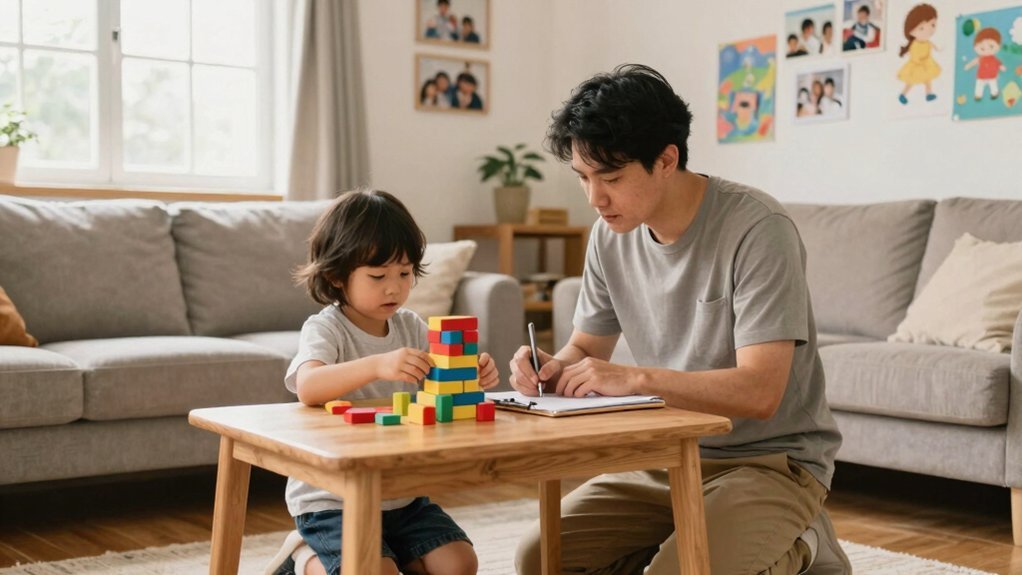
Ever wondered how a brief observation can become a catalyst for meaningful change? When you turn a single observation into clear documentation, you link the child’s learning moment to curriculum goals and developmental milestones. Use a consistent template: note what you saw, interpret its significance, then suggest actionable next steps that fit an individualized plan. Share this note in communication with families during regular family talks. Highlight concrete examples, explain how the activity supports growth, and invite parents to co‑create home strategies. By connecting observations to measurable outcomes, you turn data into a collaborative roadmap, ensuring each child’s development stays on track and every family feels engaged. Incorporating materials with built-in autonomous error correction systems can help children develop independent problem-solving skills while tracking their progress.
Frequently Asked Questions
How Often Should I Update My Observation Journal?
Update your journal daily or at least after each significant event, because frequent entries capture details accurately, help you notice patterns, and make it easier to reflect on your child’s growth over time.
Can I Use a Smartphone App for Recording Observations?
Yes, you can use a smartphone app to record observations. Choose one that lets you tag entries, add photos, and sync across devices, so you capture details quickly and keep everything organized for easy reference.
Should I Involve My Child in Reviewing the Notes?
Yes, involve them. Let them read, add thoughts, and correct errors. It builds ownership, boosts confidence, and guarantees the notes reflect their perspective while fostering honest communication about their growth.
What Privacy Measures Are Needed for Shared Observation Files?
You should encrypt the files, set strong passwords, limit access to trusted adults, use two‑factor authentication, avoid storing personal identifiers, and regularly review permissions to keep your child’s data safe.
How Do I Differentiate Between Typical Behavior and a Concern?
You compare your child’s behavior to developmental milestones, note frequency and intensity, and watch for patterns that linger or worsen; if it deviates markedly or impairs daily functioning, consider consulting a professional.



Leave a Reply