

You can turn everyday moments into graceful, courteous lessons by modeling calm, respectful language—like saying “Excuse me” when you pass by—and narrating your actions so kids see polite movement. Invite them to help with simple chores, using neutral invitations such as “You may join if you like,” and reinforce please and thank‑you throughout meals and play. Provide child‑safe tools, like a step stool, to foster independence, and keep routines consistent so courtesy becomes a natural habit. Keep exploring these ideas to discover even more practical tips.
What Grace and Courtesy Look Like at Home
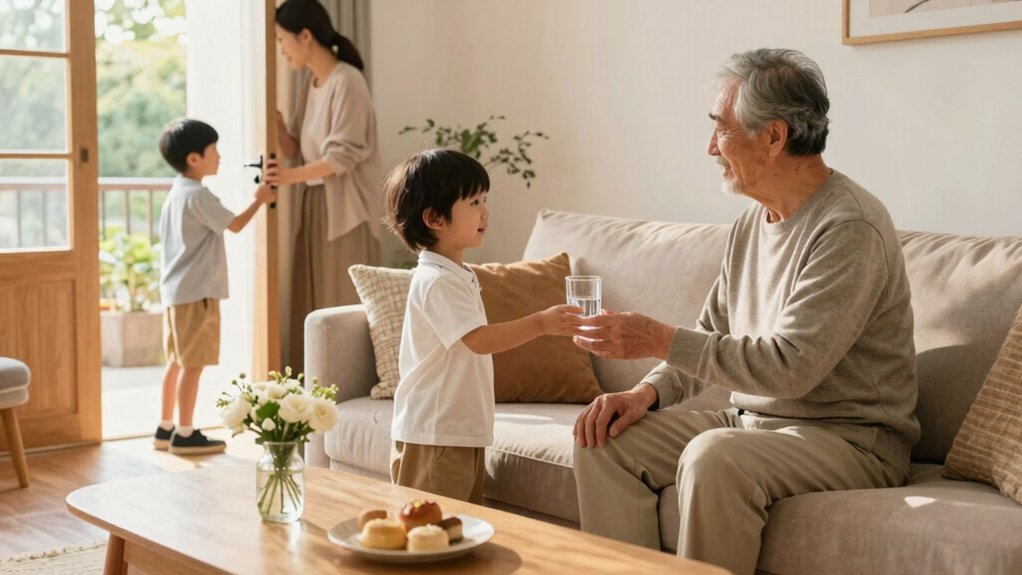
How does grace show up in everyday life at home? You notice it in the calm, courteous tone you use when you say, “Excuse me, I’m walking past.” That simple modeling mirrors a Montessori‑inspired approach, letting children watch and imitate respectful movement and communication. Your home environment becomes a stage for social development as you greet guests warmly, introduce family members, and remind kids to say please and thank you.
You invite cooperation rather than issuing commands, saying, “You may join if you like,” which encourages collaborative participation. By listening attentively and taking turns during meals or games, you reinforce grace and courtesy, turning everyday routines into consistent lessons that shape polite, considerate behavior. Providing children with tools like a Montessori step stool can further promote independence and respect within the home environment.
Model Grace and Courtesy at Home With Three Simple Daily Actions
Ever wondered how a few mindful moments can turn everyday chores into lessons in grace? You can model grace and courtesy at home by narrating your actions calmly—“Excuse me, I’m going to walk past you”—mirroring a Montessori‑inspired classroom at home.
Mindful narration transforms chores into graceful lessons, mirroring Montessori courtesy at home.
First, use purpose‑driven statements like “I’ll pick this up since it fell” to reinforce respectful communication and practical life skills.
Second, invite cooperation with neutral offers such as “You may join if you like,” encouraging social manners and collaborative participation.
Third, turn routine tasks—greeting guests, saying please/thank you, helping with cleanup—into brief home practice moments that let children learn social behavior through consistent, respectful interaction.
These daily actions embed grace and courtesy into everyday life.
Bringing Classroom Grace and Courtesy Into Everyday Family Life

A calm, narrated approach at home can turn everyday moments into a living lesson in grace and courtesy, just like a Montessori classroom. When you speak softly and explain your actions, you model courteous communication that children absorb instantly. Consistent, peaceful behavior shows them how to cooperate, follow routines, and develop independence, reinforcing social development across home and school.
- Narrate each transition – say, “Excuse me, I’m moving past,” to embed graceful communication.
- Invite cooperation – use, “You may join if you like,” instead of commands, fostering teamwork.
- Align routines – keep consistent morning and bedtime rituals that mirror classroom expectations, strengthening independence and courteous habits.
Including tools made of BPA-free, food-grade materials in daily life supports a safe and healthy environment for children.
Frequently Asked Questions
What Are the Lessons of Grace and Courtesy?
You teach children to greet politely, use please and thank you, listen respectfully, share, take turns, apologize sincerely, and help others, all while modeling calm speech and considerate actions.
What Is the Downside of the Montessori Method?
You’ll find the Montessori method can be overly permissive, leaving children without clear boundaries; it may demand intensive parent training, and its lack of structured assessment can make progress hard to measure.
What Does Grace and Courtesy Mean?
You’ll find grace means moving with poise and calm, while courtesy’s the thoughtful, respectful actions you show—like saying please, listening attentively, and offering help—creating harmonious, considerate interactions.
How Can You Incorporate Grace and Courtesy Lessons Into Daily Interactions?
You model polite phrases, invite participation, and acknowledge others’ feelings during meals, chores, and play; you use “please,” “thank you,” and calm explanations, turning everyday moments into courteous practice.



Leave a Reply