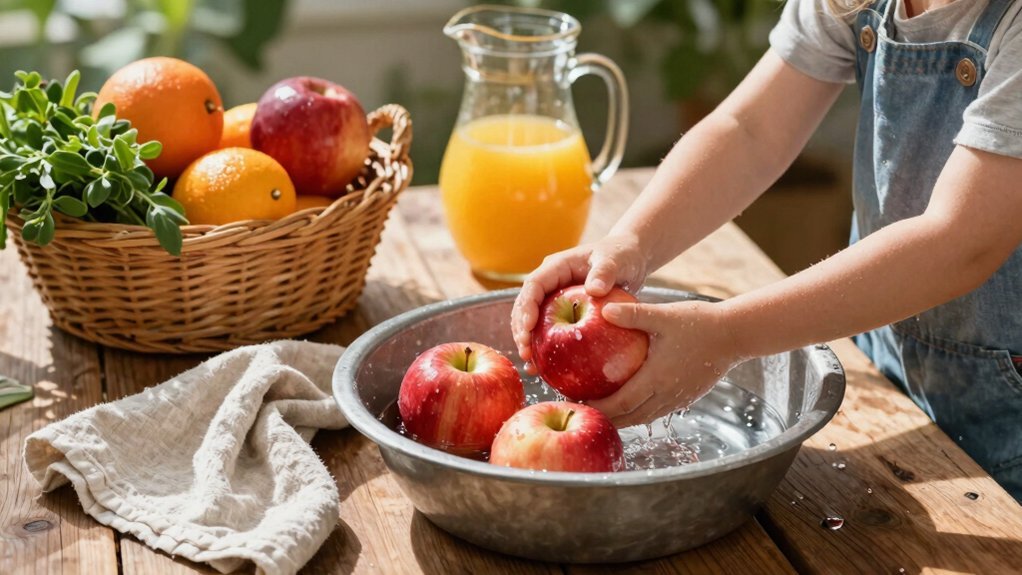
You can turn everyday tasks into multisensory Montessori experiences that spark sight, sound, touch, smell, and taste. Slice a ripe banana with a child‑safe knife to feel texture, hear the snap, and count pieces while noticing its bright color. Take a nature walk, using a magnifying glass and notebook to explore bark, leaf veins, and bird calls. Hunt sea shells, sort them by texture and scent, then wash and compare dry versus wet shells. Set up a water‑pouring station for auditory feedback and coordination, and create a sensory bin that mixes colors, textures, and fragrances. Use rhythmic music to cue starts, stops, and polite phrases, weaving grace and courtesy into each activity. Keep exploring, and you’ll discover even more ways to build independence and concentration.
Define Practical‑Life Sensory Activities and Their Purpose

What’re practical‑life sensory activities? You engage with real, familiar materials while completing purposeful tasks that stimulate sight, touch, sound, smell, and taste. These sensory activities blend practical life skills—care of self, care of environment, and everyday chores like pouring, folding, and food preparation—to build fine‑motor control, coordination, and concentration. By using child‑sized tools in a structured, left‑to‑right layout, you learn order, responsibility, and independence. Repetition lets you master each step, turning routine actions into meaningful contributions to family and community. The overarching purpose is to prepare you for broader Montessori work, fostering confidence and a sense of agency that carries into every curriculum area. Incorporating visual learning tools tailored for diverse needs can enhance engagement and communication during practical life activities.
Explain the Five‑Sense Framework for Practical‑Life Learning
Having defined practical‑life sensory activities, you can now see how the Five‑Sense Framework structures them. You’ll notice the framework splits tasks into sight, hearing, touch, taste, and smell, each reinforcing practical‑life skills through sensory integration. Visual exercises—color‑matching, shape sorting, graded size comparisons—sharpen attention to detail and coordination.
Tactile work with varied textures and weights, especially stereognostic drills, builds object recognition without sight. Auditory activities train you to differentiate sounds, rhythms, and sequences, boosting listening and memory. Olfactory and gustatory practices encourage mindful smelling and tasting, expanding descriptive vocabulary and linking taste to everyday tasks. By rotating these senses, you develop independence, concentration, and a cohesive practical‑life learning experience. Montessori-friendly tools like the Kitchen Step Stool for Kids with Safety Rail also support independence by enabling safe, hands-on participation in daily activities.
Turn Banana‑Cutting Into a Practical‑Life Sensory Activity
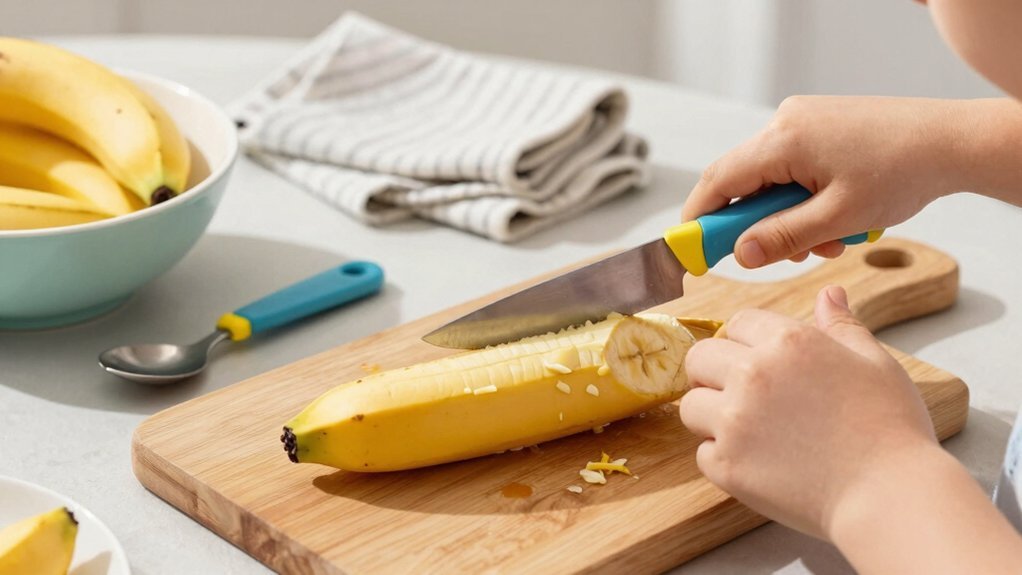
Ever wondered how a simple banana can become a multisensory lesson in independence? In a Montessori practical life setting, you hand a child‑safe plastic knife and a ripe banana, inviting them to grip, press, and slice. The tactile feel of the peel, the resistance of the flesh, and the sound of the cut engage touch, proprioception, and hearing, while the bright yellow hue stimulates sight. You give a one‑step direction—“slice the banana into three pieces”—and watch concentration build. Naming each slice and counting them adds language and math practice. After cutting, the child wipes the board and puts the knife back, reinforcing responsibility. Adapt the activity by pre‑peeling for beginners or varying slice thickness for challenge. This approach mirrors the Montessori philosophy’s emphasis on enhancing cognitive and motor skills through realistic and interactive experiences.
Conduct a Nature Walk for Practical‑Life Sensory Exploration
How can a simple stroll become a rich, multisensory lesson in independence and observation? You lead a nature walk that turns everyday sights into a practical life adventure. With a magnifying glass in hand, you feel rough bark, smooth stone, and delicate leaf veins, noting each texture. You grab a notepad, sketch a pine cone, or make a pencil rubbing of a leaf, turning curiosity into a record. Binoculars reveal distant birds, while a list of observed plants builds vocabulary. Later, you research the species at home, deepening knowledge and reinforcing the sensory exploration. This hands‑on approach nurtures independence, sharpens observation, and connects classroom learning to the outdoors. To support ongoing learning and organization, consider using low step-in toy storage solutions that encourage independent cleanup and accessibility.
Sea‑Shell Treasure Hunt for Practical‑Life Sensory Learning

Ready to turn a beach stroll into a hands‑on sensory adventure? You’ll pack a bucket, hat, sunscreen, and sun‑safe clothing, then head to the shore where every step becomes a practical‑life lesson. Feel sand shift underfoot, scrunch your toes to leave unique shell prints, and notice how dry shells differ from wet ones. As you gather shells, sort them by type, texture, and proximity to water, sharpening classification and sequencing skills. Later, wash and research each find, turning a simple hunt into lasting inquiry and community sharing.
Turn a beach walk into a tactile adventure: collect, sort, and explore shells for hands‑on learning.
- Observe footprints and experiment with toe scrunches for tactile feedback.
- Collect shells by texture, size, and moisture level.
- Sort shells to practice classification and sequencing.
- Compare dry versus wet shells for perceptual discrimination.
- Bring shells home for washing, matching, and craft projects.
Incorporating multisensory activities like this supports fine motor development and cognitive skills, similar to the benefits seen in natural wooden abacus use.
Build a Water‑Pouring Station for Coordination & Auditory Feedback
After gathering shells, you can keep the sensory momentum going by setting up a water‑pouring station that hones coordination and adds an auditory cue. Choose child‑sized pitchers and a sturdy tray, then place a larger container nearby for the first pour. Let the child lift the steady pitcher, watch the stream, and hear the soft splash—this auditory feedback helps them gauge speed and flow.
Once they’re comfortable, swap in a smaller jug to challenge wrist stability and grip control, a core practical life skill. Encourage them to wipe the tray and rinse the pitcher after each round, reinforcing responsibility.
Gradually increase the distance between pitcher and target, sharpening precision while the clink of utensils provides continuous sensory reinforcement. Incorporating child-safe tools like serrated knives and ergonomic handles can extend practical life activities into the kitchen for safe, hands-on learning.
Assemble a Sensory Bin for Sorting, Grasping & Scent Exploration
Ever wondered how a simple bin can turn ordinary play into a multi‑sensory lesson? You’ll fill a sensory bin with dry rice, beans, shredded paper, and a few dried herbs or cinnamon sticks. The mix invites grasping, fine‑motor control, and tactile discrimination. Color‑coded scoops and containers let kids sort by hue while you label each with a word or picture. As they move items, they’ll notice the distinct smell, reinforcing olfactory awareness. Guide them through progressive steps: first texture, then color, finally scent. This layered sorting builds attention, classification skills, and sensory integration—all while keeping play lively and purposeful. Using tools with dedicated slots for glasses and mugs enhances organization and engagement in sensory activities.
- Dry rice, beans, shredded paper for texture
- Dried herbs or cinnamon sticks for scent
- Color‑coded scoops or containers
- Simple word or picture labels
- Progressive sorting instructions (texture → color → smell)
Use Music & Rhythm to Teach Grace, Courtesy & Auditory Skills
A gentle melody can turn everyday chores into graceful lessons, guiding children to move smoothly, wait patiently, and interact without interruption. You can cue start and stop signals with music, letting a soft drumbeat signal when to begin pouring or sweeping.
Rhythmic clapping and stamping help kids keep tempo while folding laundry, sharpening auditory discrimination and coordinated movement. When they sing a courteous chant—“please” and “thank you” set to a gentle rhythm—they internalize social etiquette and practice grace in daily routines.
Use a simple melody to mark transitions: a higher note signals a pause, a lower note invites the next step. This integration of rhythm with practical tasks builds self‑regulation, attention, and courteous, collaborative behavior.
Reflect on How Integrated Sensory Activities Boost Independence
When the rhythm fades, the child’s focus shifts from listening to feeling, and the same sensory cues that guided a simple chore now empower them to plan and execute tasks on their own. Integrated sensory activities make independence feel natural; you watch them use sight, hearing, touch, smell, and taste to solve practical life problems. By juggling multiple inputs, they build robust perceptual schemas that stick, letting them transfer skills to new situations. The process sharpens discrimination, so they notice subtle texture changes or color shifts that guide decision‑making. Consistent practice ties sensorial exploration to real‑world tasks, fostering concentration, orderly habits, and confidence—key ingredients for autonomous participation at home and in class.
- Pouring water while feeling temperature cues
- Sorting objects by texture and sound
- Tasting ingredients to gauge ripeness
- Matching colors using visual and tactile clues
- Organizing supplies based on scent and placement preferences
Frequently Asked Questions
What Activities Involve All Five Senses?
You can bake cookies, feeling dough, watching it rise, smelling vanilla, tasting a pinch of salt, and listening to the mixer’s hum, engaging all five senses in one tasty, tactile, auditory, visual, aromatic activity.
What Are Some Activities That Stimulate the Senses?
You can stir batter, feel dough, smell fresh herbs, listen to sizzling pans, and watch colors blend; also, sort beans, wash hands, explore sand trays, and assemble puzzles for full sensory engagement.
What Are Practical Life Activities?
You practice practical life activities when you perform everyday tasks—like washing hands, dressing, sweeping, or preparing food—using child‑sized tools, fostering independence, coordination, concentration, and responsibility through purposeful, sensory‑rich routines.
What Are Some Good Sensory Activities?
You can try water‑painting with thick brushes, texture‑filled bins of rice or beans, scent‑infused play‑dough, sound‑matching jars, and frozen‑fruit sticks, letting you explore sight, touch, smell, and hearing simultaneously.