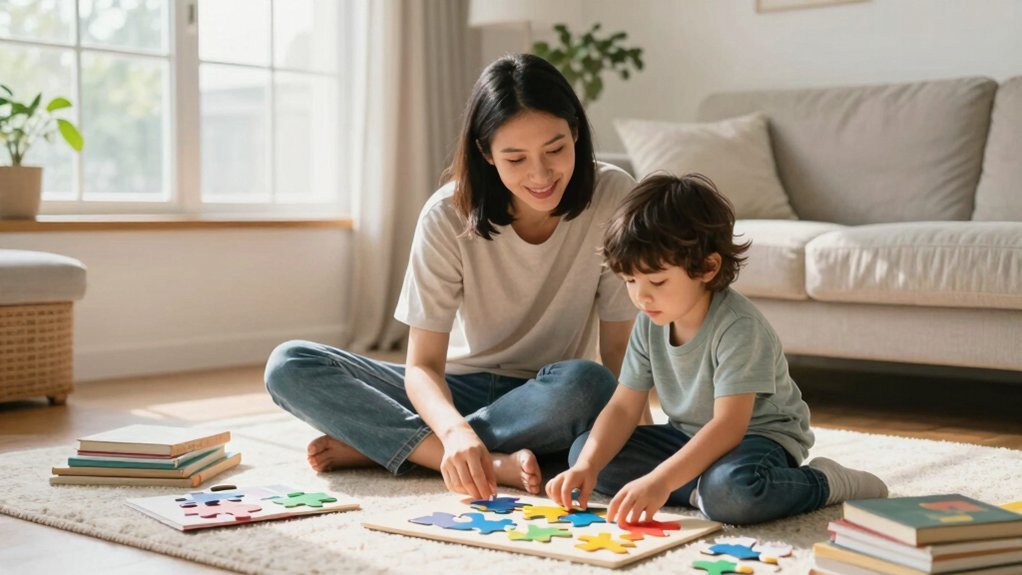
Observe your child’s processing speed and patterns, noting how they answer and ask follow‑up questions without comparing to peers. Set up a multisensory play space with textured puzzles, open‑ended materials, and quiet checkpoints that can rotate themes regularly. Tailor activities to their current developmental stage, offering hands‑on options and gradually increasing difficulty. Praise effort and specific strategies rather than speed, highlighting steady progress. Keep caregivers in the loop with simple records and seek professional insight when needed—continue and you’ll discover even more ways to support their natural rhythm.
Observe Your Child’s Unique Behaviors to Respect Their Learning Pace
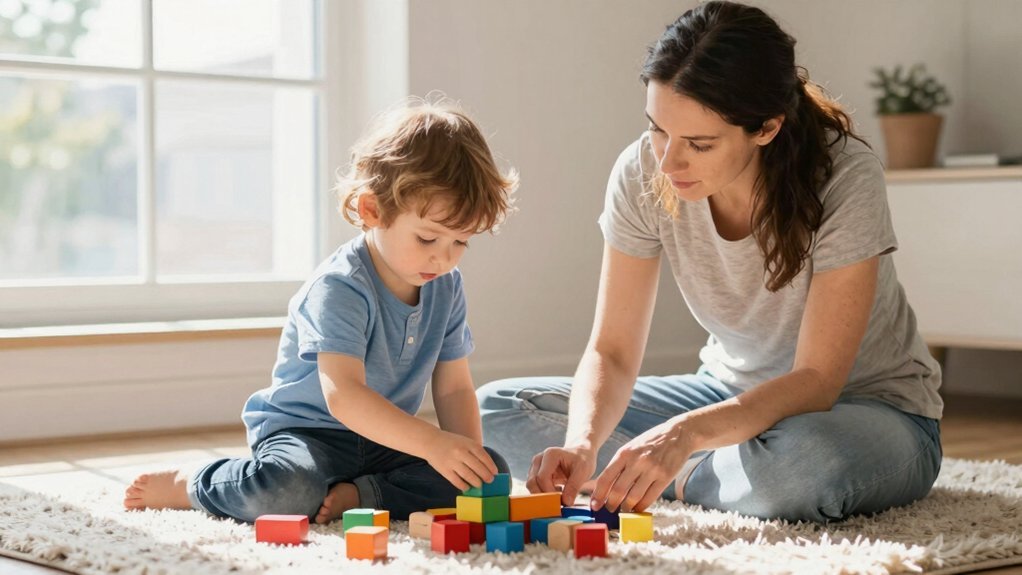
How can you truly gauge your child’s learning rhythm? Start by watching how quickly they process instructions and respond during play, reading, or problem‑solving. Note the timing of their answers, the way they ask follow‑up questions, and any patterns that emerge. Record these observations without comparing them to classmates; the goal is to map their unique pace, not to fit a standard. Recognize that slower processing speed often signals deeper contemplation or stronger reasoning in other domains. Celebrate moments when they grasp concepts thoughtfully, even if verbal replies lag. Build a low‑pressure environment that values consistent progress over uniform timelines, and seek professional insight if delays hinder overall learning. This approach respects their individual rhythm while guiding supportive growth. Just like a well-organized kit brings together various tools for comprehensive leather-care focus, creating a supportive environment blends multiple strategies to nurture each child’s unique development.
Build a Multisensory Play Space That Grows With Interests
After observing how your child processes information, turn that insight into a play environment that engages all five senses and evolves with their interests. Set up a multisensory station that mixes textured puzzles, bright books, simple instruments, and a mini obstacle course, so touch, sight, hearing, and movement fire together. Stock open‑ended materials—blocks, clay, loose parts—that they can rearrange whenever a new fascination sparks, letting their learning pace dictate how long they stay engaged. Rotate themes and resources every one to two weeks, keeping the space fresh while preserving a stable sensory backdrop. Add a co‑playing corner and caregiver‑led demos to weave language and shared attention into the activities. Finally, include safety features, easy access, and quiet checkpoints for self‑regulation. Consider using non-slip surface technology to create defined and stable play areas that enhance safety and engagement.
Adapt Activities to Their Current Developmental Stage

When you match activities to your child’s present developmental stage, you let their natural walk‑talk‑play rhythm guide learning instead of forcing a one‑size‑fits‑all timeline. Observe their current developmental pace and choose adapted activities that fit their walk‑walk, talk, and play milestones.
Keep a simple record of what they enjoy and how long they stay engaged, then tweak tasks without comparing them to peers. Offer multisensory options—hands‑on games, story‑time with props, or collaborative play—so they can process information through their preferred channels.
Create a safe, stimulating environment that respects their processing speed and attention span. Repeat activities, gradually increasing difficulty, and stay flexible; this honors their natural tempo while building confidence. Providing children with supportive tools like a Montessori step stool can also foster independence by encouraging hands-on engagement at their own pace.
Use Praise That Reinforces Effort, Not Speed
Because learning is a marathon, not a sprint, you should praise the effort and strategies your child uses rather than how fast they finish a task. Focusing on process builds a growth mindset and shows that progress comes from persistence. When you highlight specific actions—like trying a new decoding strategy for ten minutes—you reinforce resilience. Pair that praise with acknowledgment of steady milestones, not speed comparisons. This approach nurtures self‑regulation, confidence, and a love of learning that lasts.
- “You kept working on that puzzle even when it got tough.”
- “I noticed you tried a different reading technique and stuck with it.”
- “Your steady practice helped you improve your spelling.”
- “You asked for help at the right moment and solved the problem.”
- “You’ve made real progress over the past weeks.”
Choosing tools with age-appropriate design elements can also support your child’s gradual development of independence and confidence in new skills.
Partner With Caregivers to Keep the Focus on Your Child’s Learning Pace
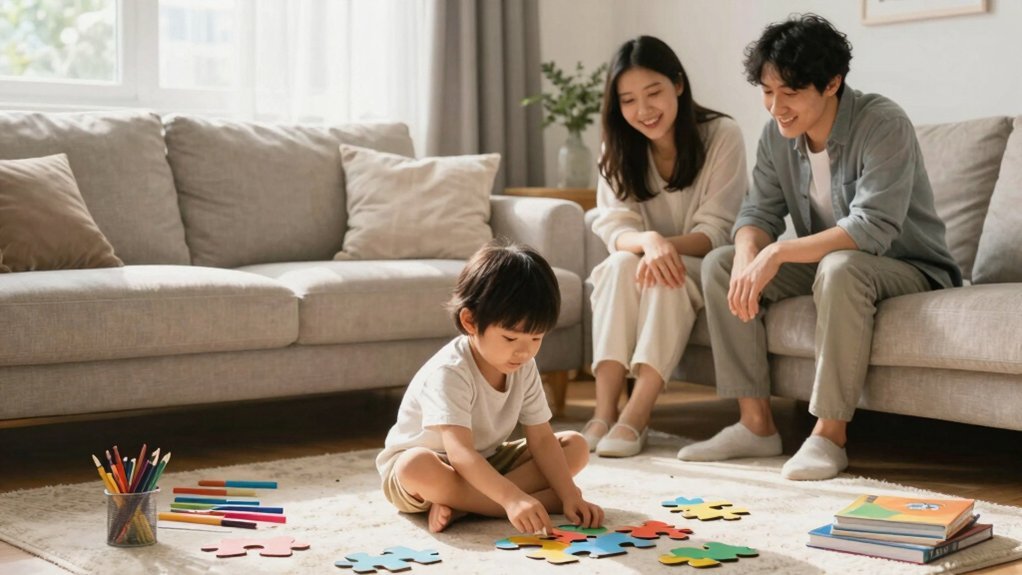
Shifting from praising effort to involving the whole support network secures the child’s tempo stays front‑and‑center. You’ll want to bring parents, grandparents, and any regular caregivers into a shared plan that tracks the child’s learning pace without comparing them to peers. Start by creating individualized learning records that each adult can update, noting patterns and strengths across academic, social, and creative domains. Use these notes to celebrate growth, not speed, and to provide consistent encouragement when challenges appear. Schedule brief check‑ins between home and school so everyone aligns on goals and emotional support. If you notice attention or processing differences, invite a professional assessment early and blend that expertise with the caregiver team’s ongoing strategies. This collaborative approach keeps the focus on the child’s unique rhythm. Incorporating imaginative play costumes like the LOYO Kids Role Play Costume Set can also encourage cooperative learning and development through role play.
Frequently Asked Questions
What Is the 3-3-3 Rule for Kids?
You’ll find that the 3‑3‑3 rule means giving your child three hours of free play, three screen‑free meals, and three intentional family interactions each day, fostering balanced growth and connection.
What Is the 7 7 7 Rule in Parenting?
You give your child seven minutes to process, seven minutes to decide, and seven minutes to act, letting them think, choose, and execute without rushing or interrupting, which supports their natural learning rhythm.
What Are the 5 C’s of Learning?
You’ll find the five C’s of learning are Curiosity, Confidence, Concentration, Collaboration, and Creativity—each essential for sparking intrinsic motivation, deep understanding, and sustained engagement in your child’s education.
What Is the 10-10-10 Rule for Kids?
You apply the 10‑10‑10 rule by having kids work for ten minutes, then pause ten minutes, and finally review for another ten minutes, using a timer to keep focus and gauge understanding.