

When you give kids room to choose inside clear, caring boundaries, you’re teaching them to honor both their own autonomy and others’ needs. Freedom sparks responsibility, while limits keep actions safe and orderly, turning choices into lessons in self‑control. Consistent, gentle limits build trust, and natural consequences link actions to outcomes, fostering internal discipline. This blend of liberty and structure creates a culture of mutual respect that grows with each respectful interaction. Keep exploring to discover how these ideas shape classroom and home life.
Freedom and Limits as the Foundation of Mutual Respect
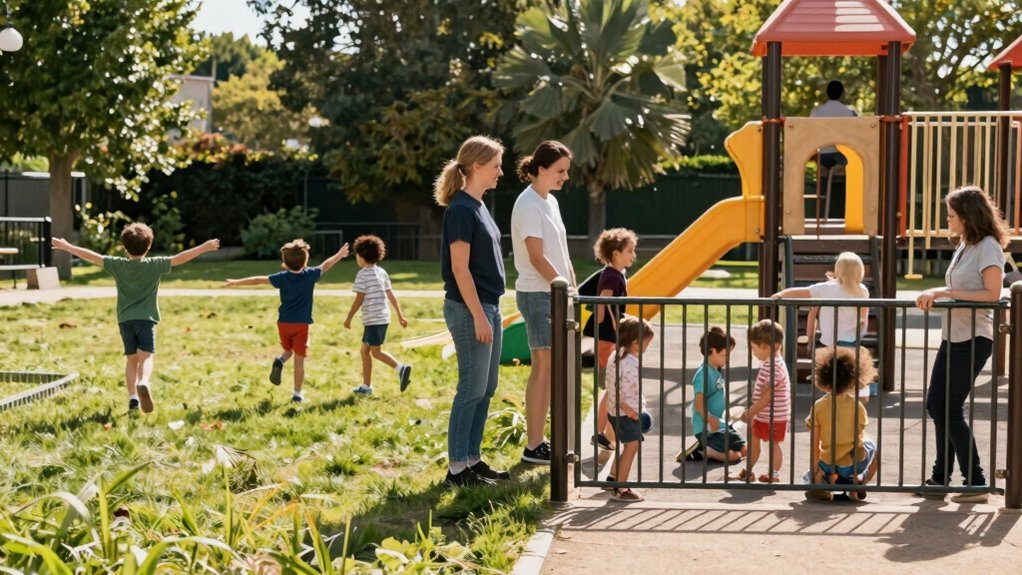
When you give children freedom within clear, kind limits, you’re not just letting them choose work—you’re teaching them how to act responsibly in a shared space. You let them pick meaningful tasks and move through a thoughtfully arranged room, but you keep boundaries that protect safety and order. Those boundaries turn simple choice into “Freedom within limits,” so kids learn to handle materials gently, walk quietly, and speak feelings instead of shouting.
As they internalize this balance, they develop empathy, self‑regulation, and a sense of ownership over the classroom. Trust and gentle guidance replace punishment, reinforcing respect for themselves, peers, and the shared environment. This foundation of mutual respect grows from every thoughtful, bounded decision they make. Creating defined work spaces with interlocking edge designs supports this respectful environment by promoting stability and clear boundaries.
Montessori Respect: Choice & Boundaries
You’ll notice that offering children real choices fuels respectful autonomy while clear boundaries steer social interaction.
When limits stay consistent, trust builds and kids learn self‑control and responsibility.
This blend of choice and gentle guidance turns everyday decisions into lessons in respect.
Incorporating age-appropriate design features in children’s items supports their independence and respect for limits.
Choice, Respectful Autonomy
How does offering a child a genuine choice within clear, safe limits foster respect? When you present a meaningful choice, you signal trust and invite the child to own their decisions. The prepared environment frames those options, so the child knows the boundaries that keep everyone safe. By letting them decide which activity to start or which tool to use, you boost engagement and intrinsic motivation. You step back, intervening only when a limit is crossed, allowing self‑correction and responsibility. This respectful autonomy builds internal discipline, strengthens social connection, and expands freedom as the child demonstrates self‑control. Consistency in limits and gentle guidance turn each choice into a practice of respect, reinforcing trust and independence. Just as choosing a child-safe juicer ensures safe and respectful engagement with tasks, setting clear and secure options supports respectful autonomy.
Boundaries Guide Social Interaction
Giving a child clear boundaries shapes how they interact with peers and adults, turning everyday moments into practice for respectful communication. In your classroom, you set gentle limits that keep materials safe, guide group behavior, and model courtesy. When a child chooses a puzzle within those limits, they learn to negotiate space, listen, and respond politely. You step in only when the boundary is crossed, preserving autonomy while reinforcing empathy. Over time, the child internalizes self‑control, responsibility, and the rhythm of cooperative play. Using carefully designed Montessori dress-up storage solutions can further support respectful interaction by organizing materials in accessible, kid-friendly ways.
| Situation | Boundary | Result |
|---|---|---|
| Sharing materials | One child per set | Fair access |
| Noise level | Whisper voice | Calm environment |
| Turn‑taking | Hand‑raise system | Respectful dialogue |
Consistency Builds Trust
Why does consistency matter when you set limits? You show children that expectations don’t shift with mood or circumstance, so they internalize rules and trust the environment. When you enforce limits with calm, respectful language, you reinforce reliability and reduce defiance. In Montessori classrooms you observe first, then act, keeping decisions firm yet gentle; this predictability lets kids feel safe exploring choices.
Boundaries in the prepared environment guide actions, turning freedom into a structured, meaningful experience. Returning items to their designated places, as agreed, demonstrates consistency and strengthens social trust among peers. By modeling steady, transparent boundaries, you help children develop self‑control and respect for the community. Using thoughtfully designed tools like the Kitchen Step Stool for Kids with Safety Rail can enhance safety and foster independence within these consistent boundaries.
Psychology Behind Freedom and Limits for Children
You’ll notice that when kids choose within safe limits, they start to value their own opinions and develop self‑respect.
At the same time, clear, kind boundaries teach them how to honor others’ needs, building mutual respect.
As you guide them, this balance of autonomy and structure fuels both personal confidence and social harmony.
Using age-appropriate design tools can further enhance their sense of independence while ensuring safety.
Autonomy Fosters Self‑Respect
How does the freedom to choose everyday tasks shape a child’s sense of worth? When you give a child autonomy, you let them pick activities, organize materials, and decide how long to work. That choice signals trust, and the child learns they can influence outcomes. You watch them own the process, stay focused, and follow through, reinforcing belief in their capabilities. The clear, age‑appropriate limits you set become a safety net, not a cage, allowing internal motivation to flourish over external rewards. As they observe consequences and solve problems with your supportive guidance, they internalize responsible behavior. This reflective practice builds self‑respect, because the child feels dignified by the autonomy you respect and the ownership they claim. Providing children with tools suited to their developmental stage further supports their independence and confidence.
Boundaries Build Mutual Respect
What happens when you set clear, consistent boundaries for a child? You give them a safe framework that encourages exploration while teaching self‑control. When you apply limits kindly and predictably, the child learns to respect peers, materials, and the environment, building a foundation for mutual regard. Autonomy flourishes when choices feel meaningful but stay within those boundaries, prompting cooperative behavior. The child starts expressing needs with words, regulating emotions, and following agreed‑upon routines that support the group. By gently guiding within consistent boundaries, you show that respect is earned through trustworthy, thoughtful responses—not arbitrary enforcement. This process turns simple limits into a shared language of respect, reinforcing both individual confidence and collective harmony.
Why Clear Limits Build Trust and Safety for Montessori Children
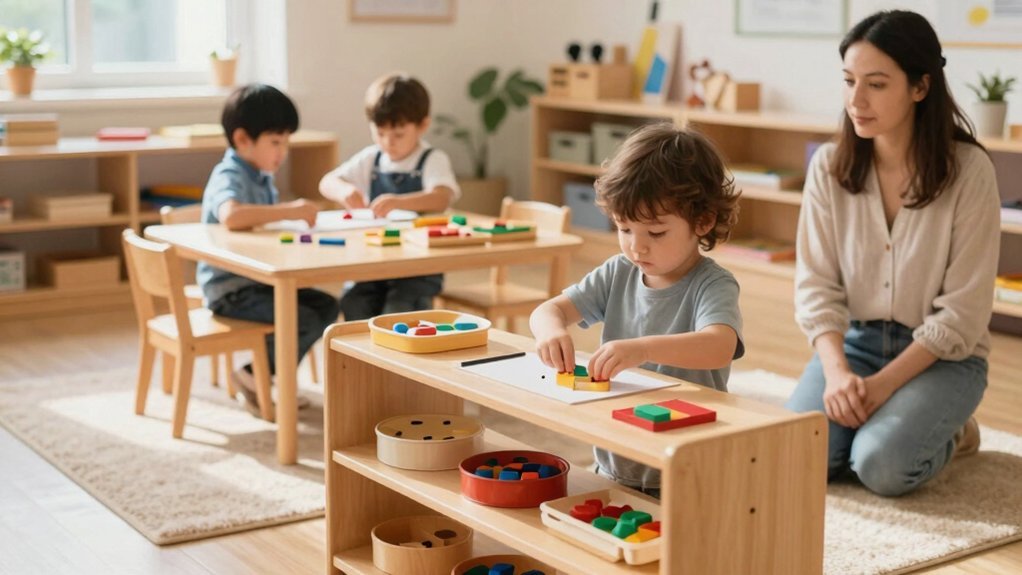
When clear limits are set in a Montessori classroom, they instantly create a sense of safety and order that lets children know exactly where their freedom ends. You’ll notice that children feel secure because they understand the boundaries that guide their choices. Consistent, kind limits help them trust adults—they see you observe, listen, and follow through without punishment. Those limits also teach responsibility; children learn to return work, move calmly, and handle materials with care, building self‑control. By keeping limits developmentally appropriate, you enable meaningful autonomy: kids can explore within structured parameters, avoiding chaos and cognitive overload. The result is a confident, independent learner who engages purposefully, knowing the environment supports both freedom and safety.
Practical Steps to Set Freedom and Limits Without Punishment
Ever wondered how you can keep a Montessori classroom both free and orderly without ever resorting to punishment? You can set limits calmly by gaining attention, stating the boundary clearly, and using a respectful tone. Observe each child first, then tailor limits to developmental stage and context, keeping them firm and consistent. Align freedom with safety, respect for self, peers, materials, and the environment, so autonomous choices stay within purposeful boundaries. Frame discipline as logical, kind consequences tied to the limit, not punishment, and guide correct behavior by offering the specific action the child should take while staying present to assist.
- Gain attention, state the rule, use a calm tone.
- Offer the exact alternative action and model it.
- Explain the logical, kind consequence linked to the limit.
How Natural Consequences Reinforce Freedom and Limits
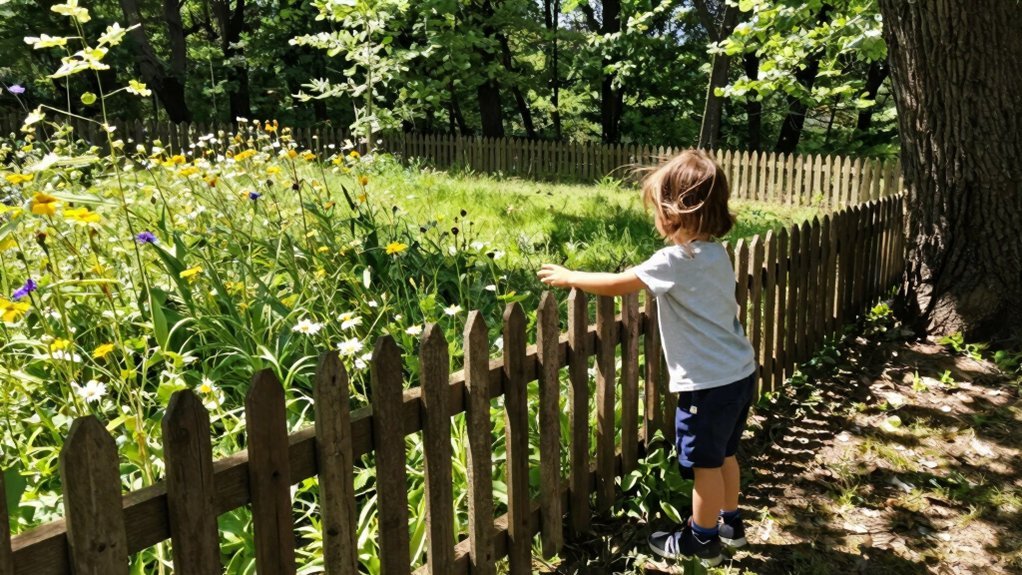
So can natural consequences truly guide a child’s choices while keeping freedom intact? You’ll see that when a child returns a toy to its spot, the result is a tidy space, not a reprimand. Observing that link builds internal discipline, because the outcome feels logical, not imposed. In Montessori, spilling water leads to cleaning it up, reinforcing responsibility and respect for the environment. You stay present, offering support without taking over, so the child connects behavior to outcome while preserving dignity. This balance lets autonomy flourish within safe, purposeful boundaries, turning each natural consequence into a lesson in self‑regulation.
| Situation | Natural Consequence | Lesson |
|---|---|---|
| Unkept materials | Lost or confused items | Importance of organization |
| Spill water | Clean up the mess | Responsibility |
| Noise after bedtime | Trouble falling asleep | Respect for personal limits |
From Freedom and Limits to Self‑Discipline
Natural consequences show that a child can steer choices while staying free, and that insight leads straight into self‑discipline. When you set clear, consistent limits, the child learns to pause, think, and act responsibly without external punishment. You guide them toward logical consequences, explaining why a limit exists, turning mistakes into learning moments. Over time, these habits internalize, so the child self‑regulates even when you’re not present, trusting their own judgment and responding calmly.
- Model deliberate decision‑making and calm responses.
- Offer logical explanations for each limit.
- Encourage the child to correct actions independently.
The Adult’s Role as a Calm, Consistent Guide
You model calmly and set clear limits, showing children how self‑control looks in practice. By staying consistent and reliable, you build trust and demonstrate respect for their growing autonomy. This steady guidance lets them explore freedom within well‑defined boundaries.
Model Calmly, Set Limits
How can you guide a child without raising your voice? You first gain attention calmly, then state the limit clearly, using a quiet tone that models Montessori discipline. Follow the four‑step process: think, set the limit, explain why it matters, and help the child comply. Your role stays that of a quiet observer, stepping in only to keep safety and respect intact. Emphasize what the child should do, not just what to avoid, and offer hands‑on support. This steady guidance builds internal discipline, encouraging self‑regulation rather than relying on punishment.
- Gain calm attention before speaking.
- State limits firmly, then explain choices.
- Assist the child in meeting the limit.
Model Consistency, Build Trust
Ever wonder why children seem to trust adults who stay calm and consistent? You model self‑control by pausing, thinking, then acting, showing that decisions aren’t impulsive. When you set firm, reliable boundaries without empty threats, kids sense predictability and feel secure. Your neutral, observing stance lets them watch the process, reducing their own impulsive spikes and building internal discipline. Explain the right behavior and the choices available instead of punishing; this reinforces Montessori consistency and nurtures lasting self‑regulation.
| Aspect | Effect |
|---|---|
| Calm tone | Reduces anxiety |
| Predictable limits | Builds trust |
| Neutral observation | Teaches modeling |
| Clear explanations | Encourages self‑control |
Model Respect, Encourage Autonomy
- Demonstrate calm – keep your voice steady and body language relaxed.
- Explain limits – give brief reasons, then let them try the right action.
- Step back gently – observe, intervene only when needed, and praise independent problem‑solving.
How Mixed‑Age Montessori Classrooms Foster Respectful Interaction
Why do mixed‑age Montessori classrooms feel so naturally respectful? You see younger children watching older peers model grace and courtesy, and you notice how that modeling turns into everyday etiquette. Montessori collaboration lets older students plan research projects, tend plants, and prepare snacks, giving them leadership roles that earn genuine respect from younger classmates. You observe guides hovering just enough to intervene, preserving autonomy while keeping the space orderly. The prepared environment teaches you to return materials and minimize disruption, reinforcing consideration for shared spaces. When emotions arise, you hear words instead of outbursts, and you practice empathy within consistent, kind limits. All these elements combine, creating a community where respect is lived, not merely instructed.
Bringing Classroom Limits Into Your Home
How can you turn the calm, clear limits you set in a mixed‑age Montessori classroom into a home routine that feels natural and respectful? Start with a few areas—food, clothing, entertainment—and expand as your child shows readiness. Offer freedom within limits by letting them choose dinner options or help with cooking, reinforcing responsibility. State expectations calmly, then follow through with logical, kind consequences when boundaries slip. Design the space to reduce chaos: label bins, create quiet corners, keep routines steady. Observe before you intervene, guide instead of punish, and model respectful communication so internal discipline grows.
- Choice‑rich routines – give two‑option selections for meals or outfits.
- Clear, calm limits – state rules, then apply consistent, gentle consequences.
- Organized environment – label, zone, and schedule to support self‑control.
Signs of Growing Respect & Independence
What does it look like when respect and independence truly blossom? You notice kids calmly following limits, returning books and blocks to their proper spots without a reminder. They choose purposeful activities within structured boundaries, moving confidently from one task to the next, just as a Montessori classroom encourages self‑directed learning. You watch teachers observe silently, stepping in only when truly needed, and children manage their own learning autonomously. You hear emotions expressed with words and empathy instead of shouting, aligning actions with classroom rules. Responsibility deepens as they accept natural consequences—returning tools after use, collaborating on schedules or group projects. These signs reveal a thriving culture of mutual respect and growing independence.
Frequently Asked Questions
What Is Freedom With Limits?
You experience freedom with limits when you choose meaningful tasks within clear, kind boundaries that keep the environment safe and orderly, allowing you to develop independence, responsibility, and respectful social connections.
How Can You Show Respect for the Freedom of Others?
You respect others’ freedom by listening attentively, honoring their choices within shared boundaries, speaking calmly, returning materials promptly, and quietly supporting their work without imposing your preferences.
What Is the Concept of Freedom Within Limits in the Montessori Method?
You see freedom within limits in Montessori as offering children choice‑driven work inside thoughtfully set boundaries, letting them explore safely while learning responsibility, focus, and respect through guided independence.
How Do Boundaries Actually Protect Freedom?
You protect freedom by setting boundaries that keep chaos out, so you can explore safely, focus on meaningful choices, and respect others’ space, turning unrestricted impulse into purposeful, autonomous action.