
When you hand out rewards, you turn learning into a transaction, so kids start chasing prizes instead of exploring. If you rely on vague praise, they begin to value approval over mastery, narrowing their growth mindset. And if you micromanage tasks with performance‑based incentives, you strip away autonomy, making motivation fade. Keep the focus on effort, strategy, and curiosity, and you’ll see how deeper engagement unfolds.
How External Rewards Shift Learning From Curiosity to a Reward‑Based Exchange
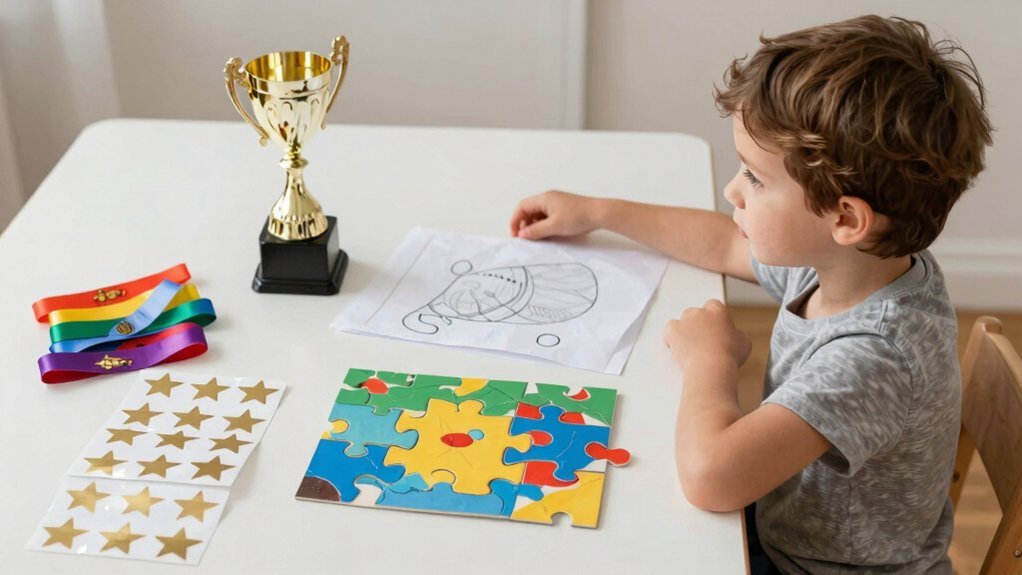
Why do you keep reaching for the next sticker or gold star? You notice that extrinsic motivation quickly eclipses curiosity. When a reward appears, learning psychology shows you start treating the task as a transaction rather than a chance to explore. Intrinsic motivation wanes because the brain now expects external validation. The shift from curiosity to a reward‑based exchange can stunt a growth mindset, as you focus on earning prizes instead of mastering skills. Autonomy diminishes, and well‑being suffers when the activity’s joy disappears with the reward. Even if rewards tie to effort, the effect is inconsistent; often they create dependence, eroding long‑term engagement and the pleasure of learning for its own sake. Montessori environments emphasize fostering intrinsic motivation through hands-on learning and independent exploration rather than relying on external rewards.
Why Praise Can Undermine Growth Mindset and Intrinsic Motivation
When the focus shifts from stickers to praise, the same problem resurfaces: children start treating approval as a currency instead of a signal of genuine progress. You’ll notice that praise, especially when it’s vague (“Good job!”), becomes an external reward that eclipses intrinsic motivation. It tells kids they need validation, not mastery, which narrows their growth mindset. Over time, autonomy shrinks, and their intrinsic drive wanes, leaving problem‑solving to feel like a performance for applause rather than a curiosity‑driven quest.
Switching to praise versus encouragement—highlighting effort, strategy, and improvement—re‑anchors the child’s well‑being and sustains the internal desire to learn, keeping the focus on genuine growth instead of fleeting approval. Similar to how adjustable child-size aprons accommodate growth and encourage active participation, shifting feedback to encouragement nurtures intrinsic motivation and continuous development.
How Excessive Adult Control Kills Autonomy and Intrinsic Motivation
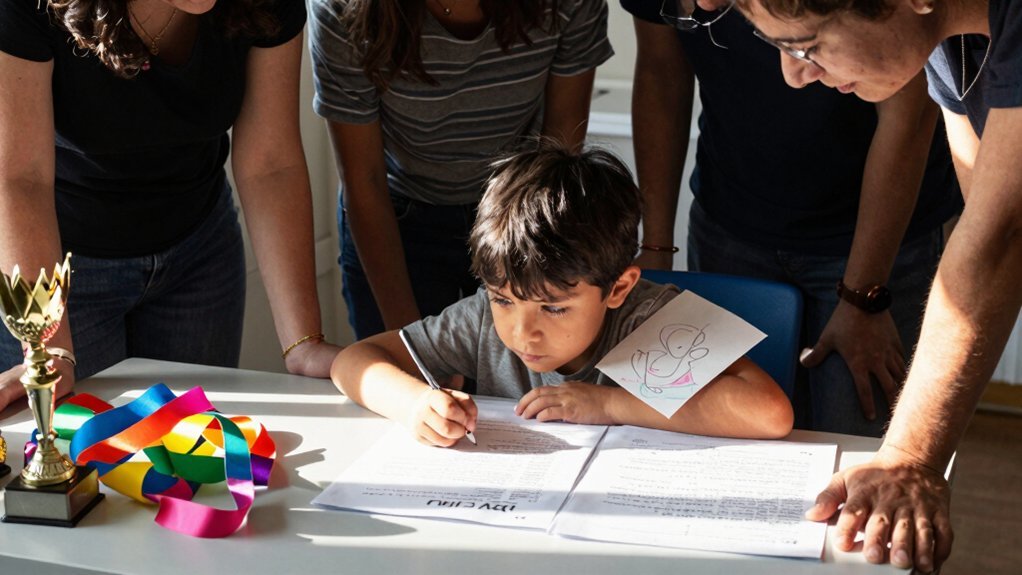
Ever wonder why kids stop exploring on their own once adults start micro‑managing every step? You’ll notice that excessive adult control crushes autonomy, and SDT (Self‑Determination Theory) tells you why. When you dictate how, when, and why a task must be done, you replace intrinsic motivation with extrinsic motivation—rewards and punishment become the only drivers. This shift triggers a motivation decline, eroding the child’s sense of purpose and long‑term engagement. Rewards tied to performance also undermine growth mindset, turning learning into a points game rather than a curiosity quest. The result is poorer child well‑being, as the child feels less competent and less related, ultimately stifling the very drive you hoped to nurture. Choosing toys that promote fine motor skills development through hands-on play supports intrinsic motivation by encouraging autonomy and exploration.
Frequently Asked Questions
What Is the 3 3 3 Rule for Kids?
You follow the 3‑3‑3 rule by picking three activities, setting three goals, and spending three minutes each day on them, giving yourself choice, focus, and brief, consistent effort.
What Is the 7 7 7 Rule in Parenting?
You follow the 7‑7‑7 rule by giving your child seven minutes of unstructured play each day, seven days a week, for seven weeks straight, encouraging autonomy, curiosity, and intrinsic motivation.
What Is the 10-10-10 Rule for Kids?
You apply the 10‑10‑10 rule by asking kids to imagine how a decision will affect them in ten minutes, ten months, and ten years, helping them weigh immediate urges against longer‑term consequences.
What Are the 5 C’s of Motivation?
You’ll find the 5 C’s are Choice, Accountability, Decision‑making involvement, Challenge, and Cheer. They let you give kids options, responsibilities, voice in rules, meaningful tasks, and a fun, supportive atmosphere.