
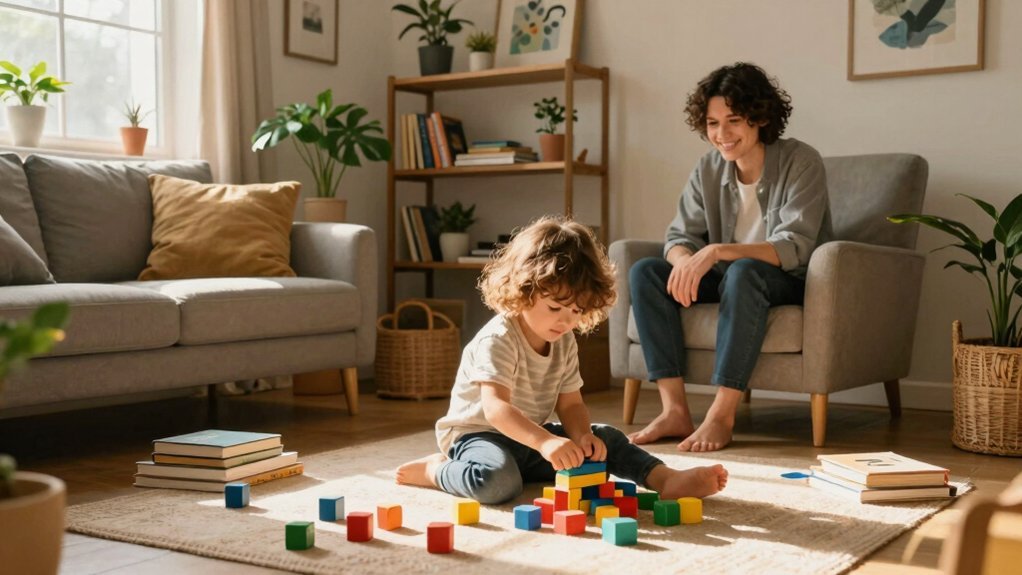
You honor your child’s natural development rhythm by watching how they linger over a sand‑scoop or a pour, letting that calm, breath‑linked pace guide activities. Offer choices that match their interests, and give them time to concentrate on practical life tasks like polishing or color‑matching without rushing. Keep daily anchors—morning tea, quiet time, and predictable sequences—to create a steady rhythm that builds focus, confidence, and curiosity. Continuing this approach will reveal deeper strategies for nurturing growth.
Why a Child’s Natural Rhythm Is the Foundation of Learning

Why does a child’s natural rhythm matter? You’ll notice that when you honor a child’s natural rhythm, pressure fades and curiosity blooms. Their unique pace becomes a learning foundation, allowing focus, kindness, and exploration to surface naturally. Instead of imposing timetables, you let them linger on sand play or a simple pouring activity, and quiet, sustained attention. These moments build fine‑motor skills, independence, and decision‑making without forced redirection. Trust‑based collaboration with families reinforces this rhythm, turning progress into a personal journey rather than a race. By observing each child’s intrinsic drive, you create an environment where meaningful learning emerges from contentment, laying a solid base for lifelong growth. Using tools like the Kitchen Step Stool for Kids with Safety Rail can further support independence by enabling safe access to everyday environments.
The Montessori Work Cycle: Structuring the Child’s Natural Rhythm
How does the Montessori work cycle turn a child’s natural rhythm into a purposeful learning routine? You let them pick an activity, then settle into uninterrupted work that honors their sacred rhythm. The cycle moves through three clear phases: selection, sustained concentration, and orderly return of materials. By minimizing adult interference, you nurture self‑directed flow and inner discipline. Practical life and sensorial tasks—spooning, pouring, polishing, color matching—provide meaningful focus points that build fine motor skills and confidence. You observe curiosity, calm engagement, and steady attention, not test scores. This structure respects each child’s pace, eliminates peer comparison, and creates a predictable, empowering environment where learning feels natural and purposeful. Incorporating Montessori-inspired play kitchens with realistic features supports authentic pretend play and promotes developmental benefits throughout these phases.
Observing the Quiet Joy of Sand‑Play: A Child’s Natural Rhythm in Action

Often you’ll find a toddler completely absorbed in sand‑play, scooping and pouring with deliberate, unhurried motions. You watch the child’s fingers sift grains, notice how the rhythm of each scoop matches their breath, and realize you’re witnessing natural rhythms at work. By stepping back, you let the experience stay self‑directed play, allowing the quiet joy to unfold without interference. The scene shows that learning thrives in calm, focused exploration, and that honoring this pace nurtures confidence and curiosity.
Toddler’s sand‑play reveals natural rhythm, calm focus, and intrinsic joy in self‑directed learning.
- Observe the child’s steady tempo and mirror it with your own calm presence.
- Resist the urge to add toys or prompts; let the sand be the sole medium.
- Notice how concentration deepens as the child repeats the same motion.
- Celebrate the subtle smile that follows each successful pour, reinforcing intrinsic motivation.
Incorporating natural toys like non-toxic finished wooden stacking stones can further support this developmental rhythm by promoting fine motor skills and focused play.
Choosing Activities That Fit Your Child’s Interests
Ever notice how a child’s eyes light up when a simple task matches their current fascination? You can honor that spark by picking activities that sync with their natural rhythm and interests. Observe what they gravitate toward—whether it’s a storybook, a spoon‑pouring game, or a color‑matching puzzle—and let those clues guide your choices. Offer a curated mix of familiar tasks and a new, related challenge so they stay engaged without feeling rushed. Revisit favorite activities regularly; repetition builds confidence and deepens language love. Keep the environment calm, follow their pace, and let curiosity lead. This approach nurtures independence, focused attention, and joyful growth. Incorporating breathing exercise cards can further support children’s self-regulation and emotional focus during activities.
Polishing Tables, Pouring Water, and Matching Colors: Practical Life Tasks for Coordination

Polishing a table, pouring water, and matching colors may seem simple, but each task hones a child’s coordination in a distinct way. You’ll notice how the rhythmic motions of polishing build hand‑eye and bilateral coordination while sustaining concentration.
Polishing, pouring, and matching sharpen hand‑eye, precision grip, and visual discrimination through rhythmic, purposeful activity.
Pouring water refines a precision grip, wrist control, and timing, encouraging independence and careful measurement.
Matching colors sharpens visual discrimination and early decision‑making as your child compares hue, saturation, and shade. By repeating these practical life activities, you support gradual focus growth and respect your child’s natural rhythm, fostering confidence and responsibility for everyday tasks.
- Hand‑eye and bilateral coordination through repetitive polishing strokes
- Precision grip and wrist stability while pouring water
- Visual discrimination and color cognition through matching games
- Incremental focus and independence built in a rhythmic, practical life context
Introducing safe kitchen tools designed with child-safe certifications can further enhance coordination and responsibility during cooking activities.
Seeing Growth in Curiosity, Kindness, and Focus
When you notice a child’s eyes light up while they explore a new idea, you’re witnessing growth that isn’t measured by speed but by the depth of curiosity, the kindness they extend, and the focus they sustain. You can see this growth unfold when they ask “why?” during a story, share a toy without prompting, or stay absorbed in a puzzle for minutes. Those moments reflect their natural rhythm, a steady beat that balances wonder with responsibility.
Encourage open‑ended questions, model gentle assistance, and provide tasks that demand concentration, like polishing a wooden block or arranging beads. By honoring their pace, you nurture a resilient curiosity, a compassionate spirit, and a focused mind that will thrive beyond the classroom. Using Montessori bead chains can enhance this development by providing tactile, visual tools that support both concentration and early numerical understanding.
Creating Consistent Home Rhythms That Mirror the Classroom
If you set a few simple daily anchors—like a shared breakfast, a brief storytime, and an evening reflection—your home will naturally echo the classroom’s rhythm, giving your child a predictable, calming structure without demanding exact clock‑time. Pair those anchors with two steady touchpoints, such as morning tea or candlelighting, to create safe harbors that reinforce predictability. Arrange activities in a consistent flow: cozy breakfast, focused quiet time, creative drawing, then outdoor play. Sprinkle in weekly variety—poetry teatime, nature journaling, family game night—while keeping the overall rhythm steady. Seasonal motifs like autumn crafts or spring gardening weave continuity through the year, helping your child feel grounded and engaged.
- Morning tea or candlelighting as a daily anchor
- Consistent activity sequence (breakfast → quiet time → creativity → outdoors)
- Weekly variety blocks that respect the core rhythm
- Seasonal motifs integrated into routine for lasting predictability
Winter‑Season Rhythm: Slowing Down for Deeper Focus
You can invite your child to explore quietly indoors, letting imagination guide gentle discovery.
A short, calm walk outside lets the crisp air sharpen senses without overwhelming energy.
Then settle into a reflective storytelling session, where shared narratives deepen focus and nurture inner growth.
Using child-sized tools like a porcelain mortar and pestle encourages sensory exploration and fine motor skills.
Quiet Indoor Exploration
Ever wonder why winter feels like a gentle pause for young minds? You’ll notice your child’s natural rhythm shifting toward quieter learning when the world outside slows. Inside, you can nurture this tempo with calm, focused activities that let imagination settle and concentration deepen. Offer storytelling circles, simple hand‑crafts, or soft music sessions that invite reflection. Keep routines familiar, so the child feels secure and can engage fully in purposeful play.
- Share a short story and pause for thoughtful questions.
- Set up a small weaving station with colorful yarn.
- Play a gentle instrument while encouraging rhythmic clapping.
- Introduce a matching game using spoons, cups, or colored blocks.
These indoor moments honor the season’s inward focus while strengthening attention and creativity.
Gentle Outdoor Strolls
Why not let the crisp winter air become a gentle classroom, where slow, unhurried strolls invite your child to notice the subtle textures, sounds, and scents that the season offers? You’ll see the natural rhythm of the day slow, letting focus deepen. Dress in layers, check footing, and pause for warm breaks—these safety steps keep comfort high and curiosity alive. Use each walk to collect pinecones, trace footprints, or sketch a brief journal entry, turning observation into language practice. Consistent, low‑pressure outings build resilience and a sense of security, aligning your child’s growth with winter’s calm cadence.
| Focus | How to Support |
|---|---|
| Sensory awareness | Encourage noticing textures, sounds, scents |
| Safety | Layer clothing, watch icy surfaces, schedule rests |
| Language | Prompt journaling, naming finds, sharing observations |
| Rhythm | Keep strolls short, unhurried, and routine |
Reflective Storytelling Sessions
A quiet circle of blankets and soft lighting creates a cozy stage where winter’s hush invites children to settle into deeper focus. You guide them into reflective storytelling sessions, letting the season’s rhythm slow the pace so each word lands with intention. In this gentle space, kids listen, imagine, and then share their own narratives, deepening attention and nurturing inner life. The practice aligns with the winter rhythm of inward turning, balancing calm focus with creative exploration.
- Choose stories that echo seasonal themes and invite personal connections.
- Use soft music or a quiet drum beat to underscore the rhythm of each tale.
- Encourage children to pause, breathe, and visualize scenes before speaking.
- End with a brief circle reflection, reinforcing the calm, focused atmosphere.
How Predictable Routines Strengthen Resilience
Can a steady classroom rhythm become your child’s safety net when challenges arise? Predictable routines give them a reliable structure—morning circle, work time, outdoor play, closing activities—that signals safety and support.
When the day follows a known pattern, stress drops, and your child can focus on learning rather than fearing the unknown. This security fuels resilience, letting them try new concepts, handle social friction, and bounce back from frustration.
Consistent cues from trusted adults reinforce confidence, so setbacks feel like temporary bumps, not threats.
The rhythm‑centered approach links emotional stability to curiosity, encouraging exploration while keeping anxiety low.
Simple Daily Anchors Families Can Implement Today
Ever wonder how a few tiny habits can anchor your family’s day? You can weave a gentle rhythm into everyday life by anchoring moments that feel predictable yet flexible. Start with a cozy breakfast and read‑aloud, then sprinkle in a quiet afternoon activity like drawing or journaling. Use a short candle‑lit pause or a quick family check‑in as a touchpoint to smooth transitions. Keep the timing loose—consistency matters more than the clock. Balance these anchors with space for spontaneous, child‑led interests so the routine nurtures, not stifles, natural rhythm.
Gentle daily anchors—breakfast reading, quiet afternoons, candle pauses—blend consistency with spontaneous family rhythm.
- Morning breakfast + read‑aloud
- Afternoon quiet activity (drawing/journaling)
- Candle‑lit or check‑in pause
- Evening reflection or gratitude sharing
Frequently Asked Questions
How Do I Balance My Child’s Rhythm With School Schedules?
You’ll sync bedtime, meals, and homework with school start times, keep a consistent morning routine, and adjust extracurriculars so they don’t clash with your child’s natural energy peaks. This balance respects both schedules.
Can I Adjust Rhythms When My Child Has a Developmental Delay?
Yes, you can adjust rhythms for a child with developmental delay by gradually modifying sleep, activity, and learning schedules, monitoring responses, and consulting specialists to ensure changes support their unique needs.
What Signs Indicate My Child’s Rhythm Is Being Disrupted?
You’ll notice frequent meltdowns, irregular sleep, sudden regression in skills, heightened irritability, and difficulty transitioning between activities; these clues signal your child’s natural rhythm is being disrupted.
How Often Should I Reassess My Child’s Preferred Activity Length?
You should reassess your child’s preferred activity length every two weeks, adjusting if you notice fatigue, disengagement, or sudden mood changes, and keep tracking patterns to stay aligned with their evolving needs.
Do Siblings Need Separate Rhythms or Can They Share the Same Schedule?
You can share a schedule, but watch each child’s cues; if one needs more downtime or a different pace, adjust their rhythm individually. Flexibility keeps both engaged and prevents frustration.




Leave a Reply