
When your home is organized, kids can find toys, books, and supplies on their own, which builds independence and confidence. Clear, low storage and bright labels let them make quick decisions about what to play with next, turning chores into empowering routines. A tidy space reduces chaos, helps them focus, and translates these habits to school and daily life. You’ll also discover how simple routines, Montessori tools, and professional tips can boost long‑term success.
Home Organization for Children: Teaching Skills That Boost Independence & Confidence
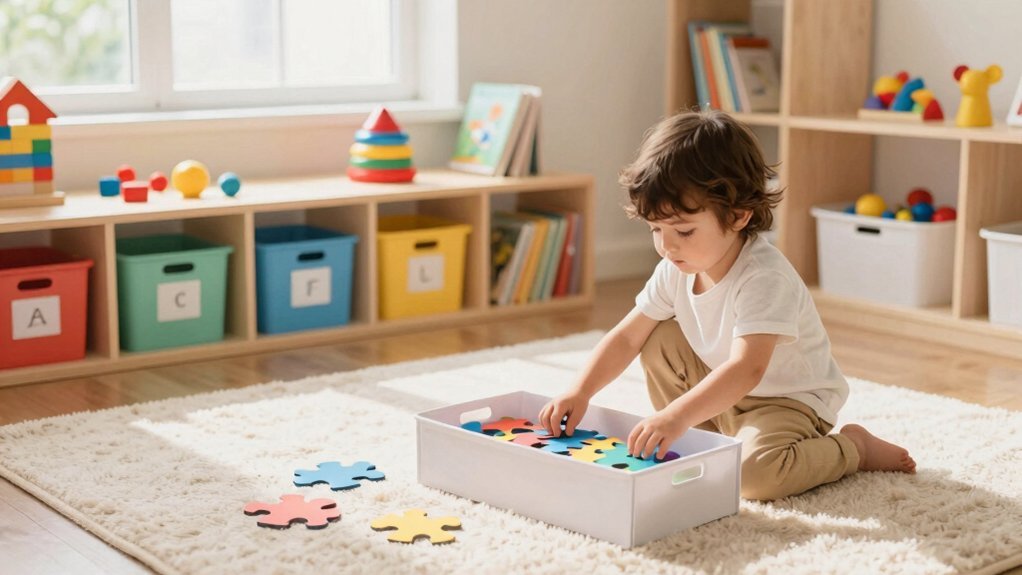
A few simple habits can turn a chaotic playroom into a confidence‑building zone for your child. When kids learn to organize toys and books, they develop skills that translate into independence at school and home. Use low, lightweight storage that’s clearly labeled; it lets children locate items quickly and decide what to use next.
Set clear routines: a quick tidy‑up before dinner, a weekly review of favorite toys, and a designated spot for art supplies.
Modeling how you edit belongings shows children that mistakes are okay and maintenance isn’t about perfection. By establishing boundaries on toy quantities and creating a home command center, you give children ownership, boost confidence, and turn everyday chores into empowering routines.
Incorporating Montessori-friendly tools like step stools with safety railings can further encourage independence by allowing children safe access to higher shelves and workspaces.
Step‑by‑Step Guide to Creating a Kid‑Friendly Organized Home
Turning the chaos of a playroom into a confidence‑building zone sets the stage for a fully kid‑friendly organized home.
First, pick low, lightweight storage that kids can reach. Add bright labels so children know where everything belongs. Designate a specific play area and keep only a few toys there; excess items go in a separate bin for later rotation.
Create a home command center with a color‑coded schedule; post daily chores and weekly routines where kids can see them. Involve children in the weekly review—ask what works, what doesn’t, and adjust storage or labels accordingly.
To keep children safe and engaged during kitchen activities, invest in age-appropriate oven mitts designed specifically for small hands.
When the system feels stuck, consider a professional organizer for fresh ideas.
Finally, celebrate each cleanup success to reinforce responsibility and keep the routine thriving.
What Research Shows: How an Organized Home Improves Learning, Health & Long‑Term Success
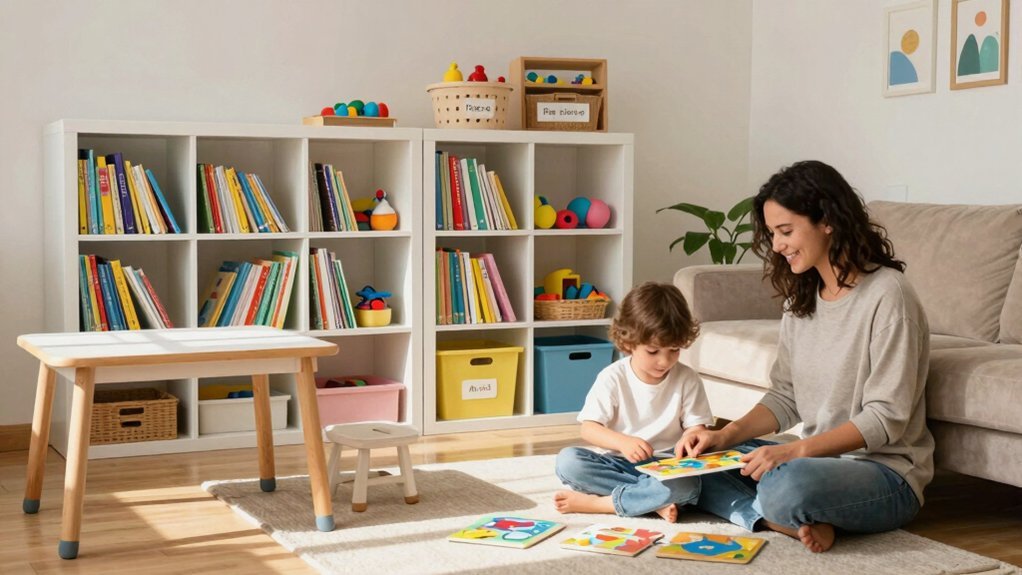
When clutter builds up in a child’s backpack, desk, or locker, studies show their grades drop, because disorganization steals valuable study time and hampers test preparation. Research links chaotic school materials to lower academic performance and reduced learning time, while well‑structured home environments boost health and long‑term success. By teaching organization early, you help children develop habits that translate into better focus, smoother school routines, and stronger future outcomes.
- Focused learning – a tidy space cuts distractions, so children can concentrate on school materials and improve grades.
- Better health – organized routines reduce stress, supporting physical and mental well‑being.
- Long‑term success – consistent habits increase college attendance odds and career readiness.
Frequently Asked Questions
What Is the 3 3 3 Rule for Kids?
You follow the 3‑3‑3 rule by sorting kids’ items into three piles—keep, donate, discard—using three labeled bins, and revisiting the system every three months to keep things tidy.
What Is the 7 7 7 Rule for Parents?
You follow the 7‑7‑7 rule by spending seven minutes structuring tasks, seven minutes playing, and seven minutes reflecting or cleaning up with your child daily, building routine, independence, and tidy habits.
Why Is Organization Important for Children?
You need organization because it sharpens focus, cuts stress, and builds confidence, helping you finish school, faster, and more time to enjoy friendships and hobbies without feeling overwhelmed.
What Is the 12 12 12 Rule for Decluttering?
You follow the 12‑12‑12 rule by picking twelve items to toss, twelve to donate, and twelve to keep, letting you declutter fast, stay focused, and build a simple, repeatable habit.