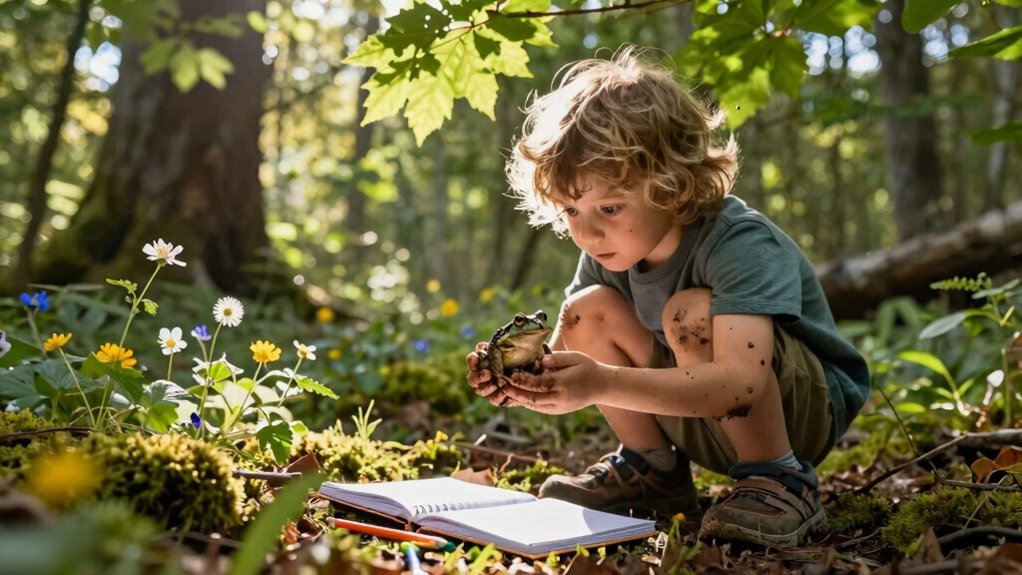
Independent exploration lets you guide your child’s curiosity, turning questions into hands‑on learning that builds confidence and critical thinking. When kids choose topics, gather resources, and test ideas, they develop problem‑solving skills and resilience, learning to adapt when outcomes change. Open‑ended materials and safe, ergonomic tools encourage self‑directed experiments, while peer collaboration sparks creativity and empathy. Keep going and you’ll discover how these strategies deepen learning even further.
What Is Independent Exploration and Why It Matters
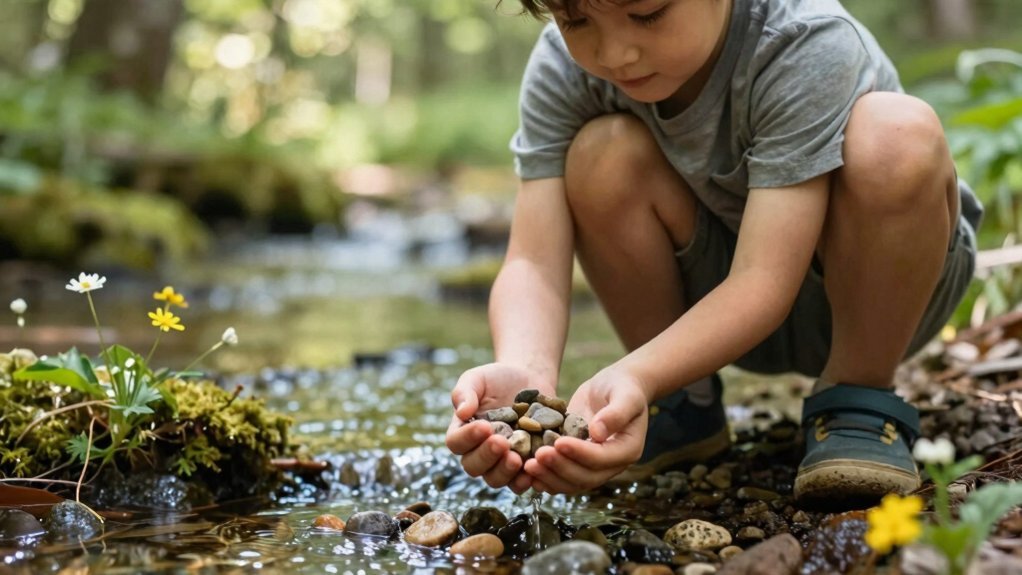
What exactly is independent exploration, and why does it matter? You watch your child take charge, turning curiosity into action. This independence fuels inquiry‑based learning, letting autonomy choose topics, gather resources, and test ideas. In a child‑led environment, open‑ended materials invite self‑directed learning, so they experiment without a preset script. You’ll see problem‑solving skills sharpen as they navigate questions and assess outcomes. Critical thinking emerges naturally when they weigh evidence and adjust strategies. The autonomy you grant builds confidence, while collaboration with peers deepens social learning. By embracing exploration, you nurture a habit of lifelong inquiry that shapes resilient, adaptable learners ready for any challenge. Using tools designed for small hands, such as mini avocado mashers, supports practical skill development during independent exploration.
How Independent Exploration Builds Confidence & Critical Thinking
When children steer their own learning, they quickly see the impact of their choices, which fuels confidence. You’ll notice them setting goals, tackling self‑directed tasks, and celebrating each win, which builds independence and a sense of ownership.
Their curiosity drives inquiry: they ask questions, form hypotheses, and weigh multiple solutions, sharpening critical thinking.
As they navigate open‑ended investigations, decision‑making and problem‑solving skills improve because they evaluate outcomes and adjust strategies.
Reflective thinking follows each experiment, reinforcing what worked and why.
This cycle of exploration and reflection nurtures resilience, adaptability, and self‑efficacy, turning every challenge into a confidence‑boosting opportunity. Montessori-inspired tools like the anti-tip feet on dress-up storage centers help create a safe and stable learning environment that supports independent exploration.
How Independent Exploration Encourages Collaborative, Creative Learning
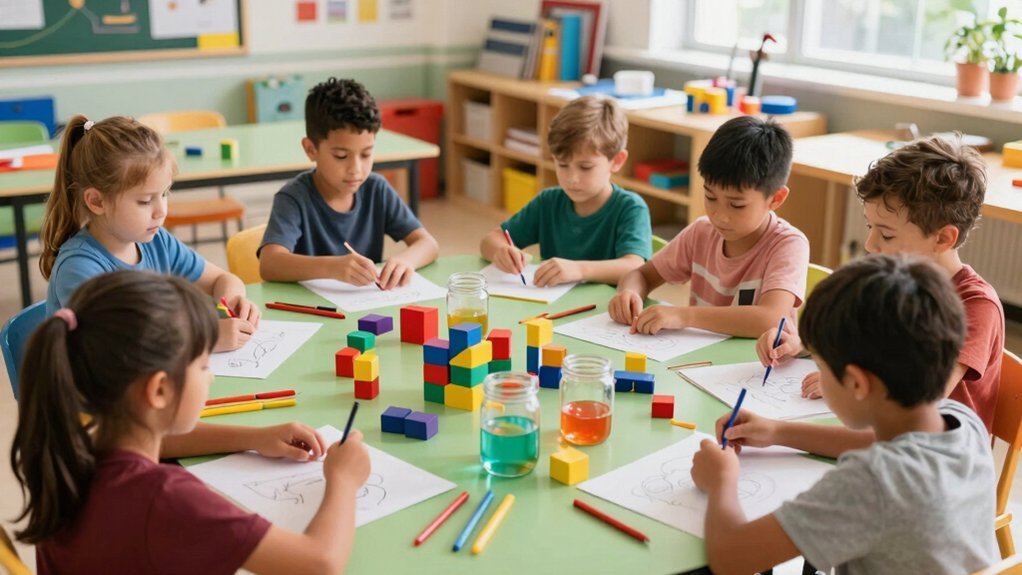
Because children pursue their own questions, they naturally run into peers who share the same curiosity, turning solitary discovery into a collaborative adventure. When you encourage independent exploration, you set the stage for peer collaboration that fuels creative thinking. Self‑guided inquiry sparks social learning as kids discuss findings, compare ideas, and co‑design solutions. Open‑ended materials let them negotiate roles, share ownership of learning, and experiment without rigid scripts. This autonomous inquiry transforms problem‑solving into a group sport, where each child contributes a unique perspective. As they iterate together, empathy and communication grow, reinforcing collaborative learning and expanding their creative horizons. The result is a vibrant, shared journey that deepens knowledge and nurtures imagination. Tools designed for children’s use, such as the ergonomic, non-slip grip on apple slicers, exemplify how thoughtful design supports safe and confident independent exploration.
Frequently Asked Questions
Why Is Exploration Important for Children?
Exploration matters because you let your child follow curiosity, build confidence, and develop problem‑solving skills. It nurtures creativity, independence, and collaboration, turning learning into an engaging, self‑driven adventure.
What Is the 3 3 3 Rule for Kids?
You follow the 3‑3‑3 rule by having your child try three new activities, three times weekly, across physical, cognitive, and social‑emotional domains, each session lasting 15‑30 minutes.
What Are the Benefits of Independent Learning?
You’ll see higher grades, stronger confidence, and deeper engagement. Independent learning fuels curiosity, builds problem‑solving skills, and nurtures perseverance, so your child tackles challenges creatively and stays motivated across subjects.
Why Is Independent Thinking Important for Children?
You’ll see children develop critical thinking, confidence, and adaptability when you nurture independent thinking; they’ll analyze information, make reasoned choices, resist misinformation, and become future leaders who engage thoughtfully in society.