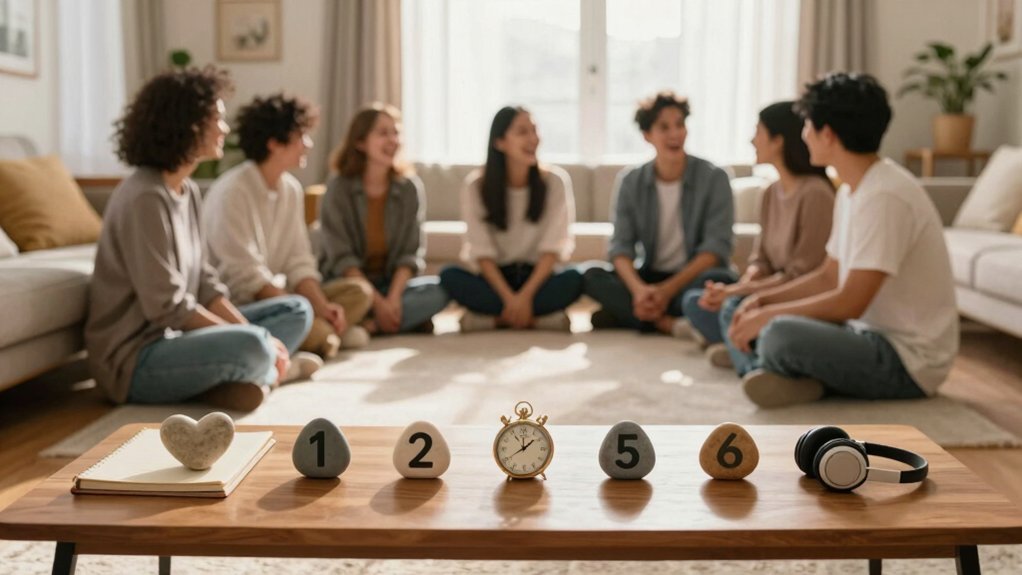
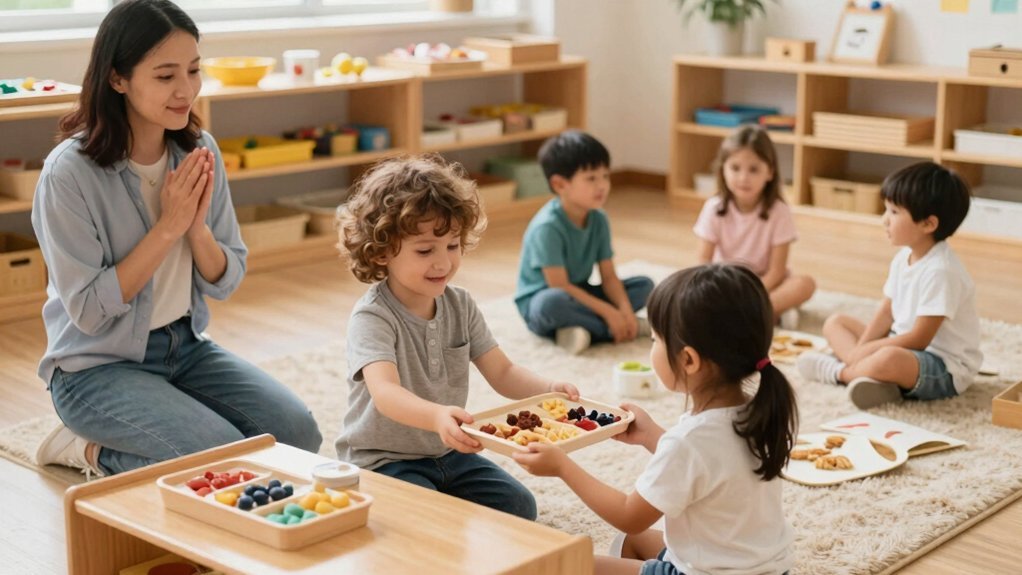
You’ll see that Montessori grace and courtesy lessons give preschoolers essential social tools to interact respectfully, manage emotions, and build confidence for lifelong learning. By modeling “please,” “thank you,” waiting turns, and caring for materials, you create a calm, predictable environment where children absorb polite behavior through observation. Gentle speech and quiet demonstrations replace constant verbal reminders, fostering empathy and self‑regulation. If you keep exploring, you’ll discover how these habits extend from the classroom to home and community.
Why Grace & Courtesy Matter in Early Childhood
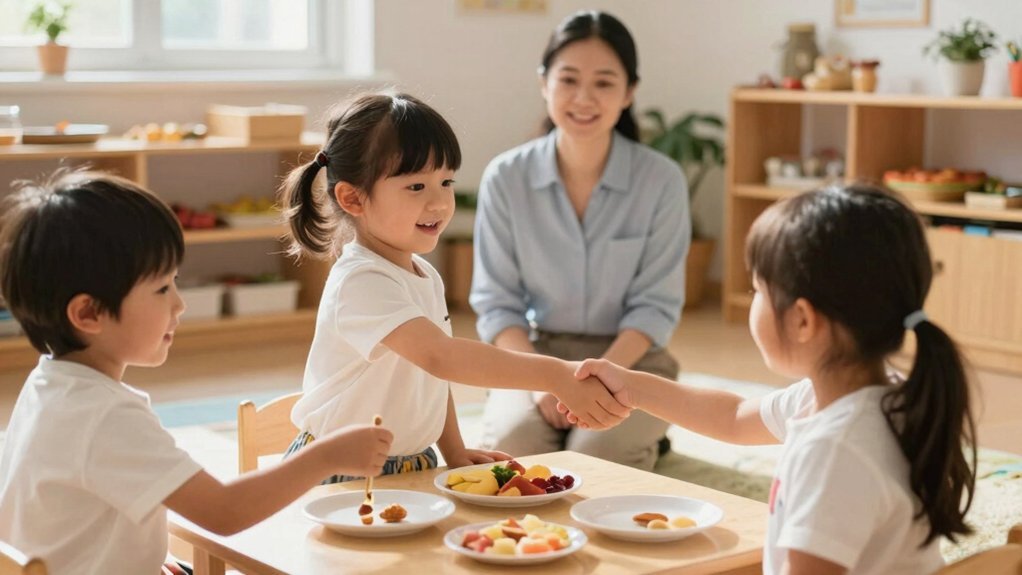
Why does grace and courtesy matter so much in early childhood? You see, when you model graceful actions—saying please and thank you, waiting your turn, caring for materials—children absorb these habits through daily Montessori routines. You’ll notice they begin to self‑regulate, moving considerately around peers’ work and pausing before speaking. Your gentle speech and quiet demonstrations become powerful lessons, often more effective than verbal reminders. This observational learning reduces conflicts, sparks empathy, and creates a safe, valued classroom atmosphere. Using Montessori-friendly tools like a step stool with safety features can further promote independence and confidence in young children.
Polite Language as a Builder of Self‑Respect
Ever wonder how a simple “please” can shape a child’s sense of worth? When you model polite language, you give preschoolers a concrete tool for expressing autonomy and boundaries. Each “please” or “thank you” becomes a tiny affirmation that they can contribute respectfully, reinforcing self‑respect. Consistent courteous speech cuts friction, so classroom routines feel safer and more predictable, allowing the child to focus on learning rather than conflict. As they practice pausing to choose kind words, they sharpen emotional regulation, turning impulse into thoughtful action. Embedding polite phrases in everyday moments—greeting visitors, asking for help, sharing toys—creates successful social exchanges that boost self-esteem. The result is a child who values both themselves and others, building a solid foundation for lifelong confidence. Integrating natural wooden peg people during play supports this development by promoting social-emotional skill development and encouraging respectful interactions among preschoolers.
Turn‑Taking as the Foundation of Social Confidence
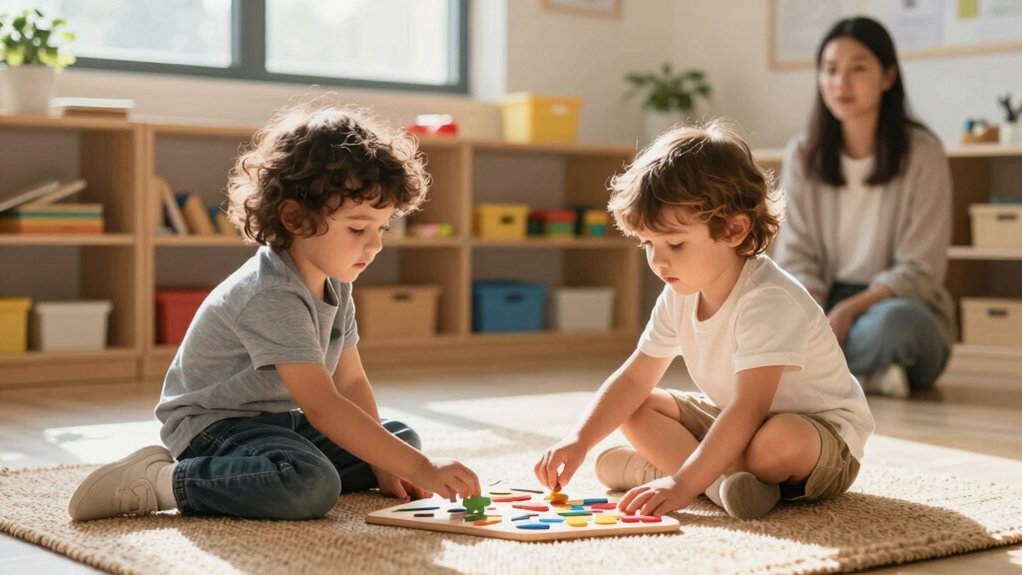
How does a simple “your turn” shape a preschooler’s confidence? You watch as they pause, listen, and respond, feeling the surge of competence that comes from graceful, courteous interaction. In a Montessori classroom, turn‑taking is woven into daily routines—sharing blocks, rotating roles, or passing a storybook—so conflicts fade and flow stays smooth. Each practiced pause teaches self‑regulation, letting them delay gratification and manage impulses while participating fairly. Guides model the behavior, offering gentle prompts that help children internalize waiting and sharing. When home and school echo the same turn‑taking expectations, the child’s sense of belonging deepens, easing transitions and fostering positive peer connections. This steady rhythm builds lasting social confidence. Engaging in activities that enhance fine motor skills further supports their ability to participate successfully in turn-taking tasks.
Grace & Courtesy in Caring for Classroom Materials and Space
You’ll notice that handling tools gently and returning them to their spots teaches respect for the classroom’s shared resources.
By keeping the space tidy—wiping spills, placing items in trays, and using quiet tones—you help maintain a calm environment for everyone.
These simple habits reduce disruptions, support safety, and create a purposeful atmosphere for learning.
Incorporating visual learning support systems can further enhance children’s understanding and independence in caring for their environment.
Respectful Material Handling
Graceful material handling teaches kids to treat classroom items with care, use them as intended, and return them to their proper places. When you model grace and courtesy during material handling, children notice the calm, purposeful way you lift, pass, and store tools. They learn to grip crayons gently, slide blocks onto shelves without slamming, and open boxes slowly. By showing them how to unwrap only the needed portion and to report a cracked piece right away, you reinforce responsibility and safety.
Consistent routines create a predictable rhythm, so kids know exactly where to find supplies and where to put them back. This independence builds confidence, while collective respect for the environment grows naturally. Using durable and easy-to-maintain classroom cushions can further support a respectful and organized learning space.
Caring for Shared Space
Ever wonder why a tidy, well‑kept classroom feels so inviting? You’ll see grace and courtesy in action when children return books, blocks, and paints to their proper spots. You model gentle handling, showing them how to open shelves, distribute supplies, and clean up spills without fuss. As you guide them to wipe a mat or stack chairs, they learn to respect the shared space and feel proud of its order. You watch them wait their turn, coordinate with peers, and use respectful language when passing materials. Those routines build consistency, reduce interruptions, and foster a peaceful, collaborative atmosphere. By reinforcing these habits, you nurture responsibility and a lasting sense of ownership in every child. Using spill-prevention technology in classroom materials helps maintain tidiness and teaches children to care for their environment.
Greeting Visitors and Holding Doors: Everyday Grace Lessons
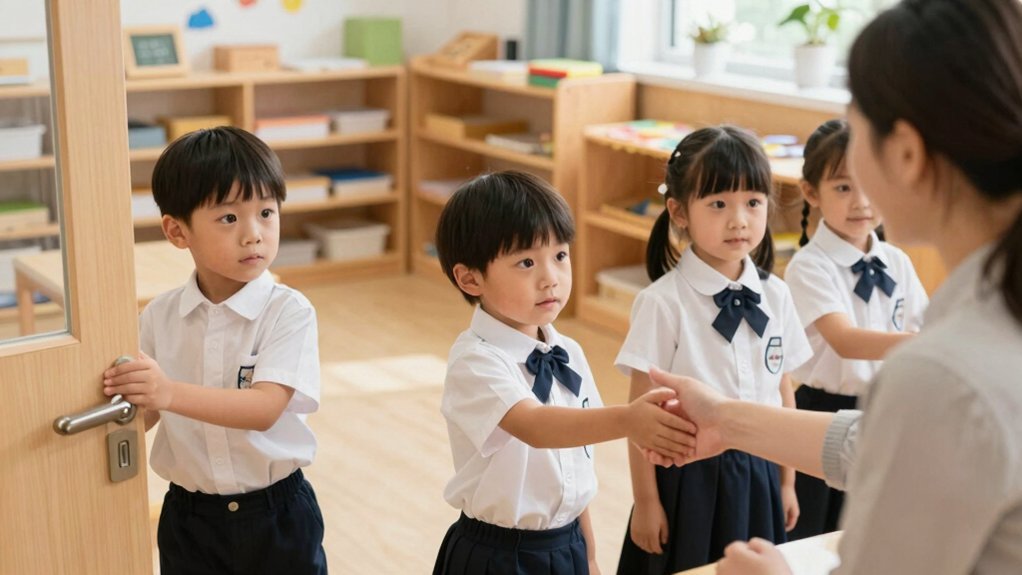
A few simple gestures—saying “good morning” to a visitor and holding the door open—teach preschoolers the core Grace and Courtesy lessons that shape a respectful classroom culture. When you greet visitors, you model welcoming behavior that makes everyone feel included. You also learn to say “please” and “thank you,” reinforcing polite conversation. Holding doors becomes a concrete way to show consideration for peers and adults, smoothing transitions and reducing interruptions. You practice these actions during arrivals, departures, and daily routines, so they become second nature. Consistent modeling by guides and family members ensures you carry greeting visitors and holding doors into home life, strengthening respect across all settings.
Role‑Playing Empathy and Listening Scenarios
Greeting visitors and holding doors teach you the basics of respect; now you can build on that foundation by role‑playing empathy and listening scenarios. You’ll notice that rehearsed turn‑taking, eye‑contact listening, and offering help become second nature. Structured role‑playing gives you safe, repetitive practice, turning abstract courtesy into concrete actions. Adults model each step, reinforcing neural pathways for patience and compassionate communication. Creating a carefully organized environment with divided compartments helps children associate physical order with respectful behavior.
| Skill | Why it matters |
|---|---|
| Recognizing feelings | Builds empathy and social awareness |
| Listening with eye contact | Signals respect and improves understanding |
| Offering help | Encourages intrinsic motivation for polite behavior |
How Grace & Courtesy Support Emotional Self‑Control
When you pause before reacting, you give yourself space to notice what you’re feeling.
Naming those feelings calmly helps you label emotions instead of being swept away by them.
Then you can choose a thoughtful response that respects both your needs and those of others.
Pause Before Reacting
Ever wondered how a simple pause can transform a preschooler’s reaction? You’ll see that a Grace‑guided Pause before reacting builds emotional self‑control. When you model stopping before speaking or acting, children learn to regulate feelings and choose words wisely. You embed short pauses into routines—waiting turns, holding back interruptions—so kids practice thoughtful participation and stay safe. Positive affirmations reinforce each pause, turning it into an intrinsic habit.
Over time, these deliberate pauses sharpen attention to peers and tasks, fostering calmer, more cooperative interactions. By consistently encouraging a brief, mindful stop, you help preschoolers replace impulsive reactions with measured, courteous responses.
Name Feelings Calmly
Graceful labeling of emotions gives preschoolers a clear map for self‑control. When you teach a child to say, “I feel angry,” or “I’m sad,” you’re using grace to turn a vague feeling into a name they can hold. Courtesy steps in as you model gentle language, pause, and listen, showing the child that naming feelings is safe and respected.
Role‑play greetings or asking to join a game lets them practice saying, “I’m excited, can I’ve a turn?” This structured practice builds intrinsic motivation to self‑regulate, not just obey.
Consistent use of grace and courtesy creates a predictable environment, so the child feels secure and can calm down quickly when stress arises.
Choose Thoughtful Responses
A simple routine for waiting your turn and speaking politely gives children a concrete framework for choosing thoughtful responses. When you model grace and courtesy, you show preschoolers how to pause, breathe, and articulate their needs without interrupting.
This calm, respectful interaction teaches social skills that translate into emotional self‑control during conflicts or stressful transition(s).
Structured practice—greetings, door etiquette, attentive listening—reinforces self‑discipline and curbs reactive behavior.
Positive reinforcement for patient waiting or careful handwashing strengthens intrinsic regulation, while predictable cues from real‑life demonstrations help children anticipate appropriate responses and manage strong feelings.
Over time, these habits become automatic, allowing kids to respond thoughtfully rather than react impulsively.
What Guides Can Do: Model Grace Consistently
How can you make grace feel ordinary rather than exceptional? You model grace and courtesy consistently, turning everyday moments into quiet lessons. When you speak gently, wait your turns, and open doors for others, children see respectful behavior in real time. Your steady modeling replaces endless verbal reminders, letting observational learning take the lead. Embed these actions into routines—greeting visitors, lunch, transitions—so polite interactions become the norm. By embodying grace yourself, you help preschoolers absorb social norms and develop intrinsic motivation to act considerately. Your consistent presence sets clear expectations, creating an authentic social learning environment where courtesy isn’t a special event but a daily habit.
Extending Grace & Courtesy From Classroom to Home and Community
Modeling grace in the classroom naturally extends to home and community when parents echo the same courteous habits. You reinforce grace and courtesy by using kind words, sharing toys, and making polite requests at dinner or during playtime. Reading stories about kindness and practicing everyday manners solidify social‑emotional learning, turning abstract lessons into concrete habits. When you praise a child’s polite greeting or turn‑taking, you create a consistent thread that links school expectations to real life.
Discuss real‑world scenarios—greeting visitors, waiting in line, helping a neighbor—to highlight intrinsic motivation for courteous actions. This seamless transfer across home, school, and the broader community strengthens the child’s character and deepens their social‑emotional growth.
Tracking Grace & Courtesy Progress With Observation Checklists
Ever wonder how you can see a child’s courtesy growth day by day? You can capture it with observation checklists that record each graceful interaction. By noting greetings, turn‑taking, and polite language, you spot patterns that reveal progress and pinpoint moments for gentle coaching.
- Log the time, activity, and behavior (e.g., saying “please” during snack).
- Highlight milestones like walking around others’ work, offering help, or resolving conflicts peacefully.
- Review the data weekly with guides and parents to reinforce positive actions.
These observation checklists turn fleeting gestures into concrete evidence of grace and courtesy development, letting you celebrate consistency and adjust support where needed.
Long‑Term Benefits: From Preschool to Lifelong Citizenship
Why does nurturing grace and courtesy in preschool matter beyond the classroom? You’ll see those early habits become the backbone of lifelong citizenship.
Grace gives you the confidence to set boundaries and say no when necessary, while courtesy teaches you to listen, consider others’ viewpoints, and build genuine connections. As you practice greeting visitors, waiting turns, and offering help, you develop empathy and social‑emotional intelligence that fuels teamwork for decades.
Daily routines reduce conflicts, promote safety, and create a peaceful environment that sharpens emotional regulation.
Over time, this internalized motivation for politeness and cooperation translates into respectful behavior in workplaces, communities, and civic life, ensuring you contribute positively long after the preschool years.
Grace & Courtesy Quick Start Checklist for Parents & Teachers
Building on those lifelong citizenship benefits, the quick‑start checklist gives parents and teachers concrete steps to weave grace and courtesy into every day. You’ll notice that modeling simple phrases, like “please” and “thank you,” while children observe daily routines, creates intrinsic motivation for polite behavior. Keep expectations clear, acknowledge progress, and stay consistent across home and classroom.
- Observe positive behavior, then mirror it immediately.
- Model desired actions during real‑life moments—greeting visitors, waiting turns, helping peers.
- Acknowledge each effort with specific praise, reinforcing the habit of grace and courtesy.
Frequently Asked Questions
What Is the Importance of Grace and Courtesy Lessons in Montessori?
You’ll see children develop respect, empathy, and confidence when you teach grace and courtesy; they learn polite language, turn‑taking, and caring for surroundings, which builds a peaceful, cooperative preschool environment.
Why Is Grace and Courtesy Important?
You need grace and courtesy because they build respect, empathy, and cooperation; they help you interact smoothly, feel confident, and develop lasting social‑emotional skills that support learning and relationships.
Why Is Courtesy Important for Children?
You see courtesy builds your child’s empathy, confidence, and cooperation, helping them navigate social situations smoothly, reduce conflicts, and develop lasting respectful relationships with peers and adults.
How Can You Incorporate Grace and Courtesy Lessons Into Daily Interactions?
Model polite greetings, wait your turn, and offer help during everyday tasks. Use role‑play scenarios, praise courteous actions, and involve parents with simple kindness activities, reinforcing respectful behavior both at school and home.