

First, create a calm, predictable environment with clear routines so your child knows what to expect. Then consistently meet their emotional needs—validate feelings, soothe promptly, and model self‑soothing. Next, set firm, compassionate boundaries and explain them, reinforcing safety and trust. Provide a quiet, safe space for exploration and practice attuned listening. Finally, offer limited, clear choices to nurture autonomy while maintaining security. Keep these steps in order and you’ll see deeper confidence and resilience, and the next sections will show how to apply each step.
Define a Secure Emotional Foundation for Children

How does a child feel when you consistently meet their needs? You see a calm confidence bloom, a sense of safety that lets them explore. A secure emotional foundation is the child’s internal belief that you’ll be there, responsive and attuned. It arises from consistent caregiving that validates cries, models emotions, and offers soothing, predictable interaction. This attachment bond creates a stable base for self‑regulation, empathy, and prosocial behavior. When you respond reliably, the child learns that the world is trustworthy, fostering confidence to try new tasks and engage socially. Over time, this emotional security translates into better school performance and healthier relationships, because the child carries that early sense of safety into every new experience. Using age-appropriate tools like a Kitchen Step Stool for Kids with Safety Rail can further promote independence and confidence by allowing children safe, supported access to new environments.
Establish Predictable Routines That Build Trust
When you consistently meet a child’s emotional needs, you lay the groundwork for trust; the next step is to turn that trust into daily predictability. Predictable routines signal that needs will be met, reducing anxiety and fostering secure attachments. By anchoring meals, bedtime, and snack times, you give the child a clear map of the day, which supports emotional regulation and independence. Small flexibility within those routines keeps learning alive without breaking the sense of safety.
Consistent emotional support builds trust; predictable routines transform that trust into daily security and independence.
- Set fixed meal and snack times, followed by a brief transition ritual.
- Keep bedtime and wind‑down activities consistent, using a calming cue each night.
- Include a short “check‑in” moment after each activity to reinforce security.
Maintaining durability and consistency in daily routines, much like stacking reliable shoe racks, creates a stable environment that children can depend on.
Set Consistent Boundaries to Help Kids Regulate Emotions

If you set clear, consistent boundaries, you give children a reliable framework that steadies their emotions. You’re teaching them where the line is, so they feel safe when routines shift or frustration spikes. Explain each rule with compassion, then stick to it every time, even when you’re tired. That firmness, paired with kindness, builds emotional security and shows kids that the world is predictable.
When caregivers all uphold the same limits, the child learns to trust the system and can focus on emotional regulation instead of guessing outcomes. Consistent boundaries also let them explore within safe borders, encouraging independence while keeping anxiety at bay. This balance of protection and freedom nurtures resilient, self‑aware youngsters. Using tools like Montessori metal insets can further support this development by enhancing fine motor precision and fostering a sense of accomplishment.
Create a Calm, Safe Space for Exploration
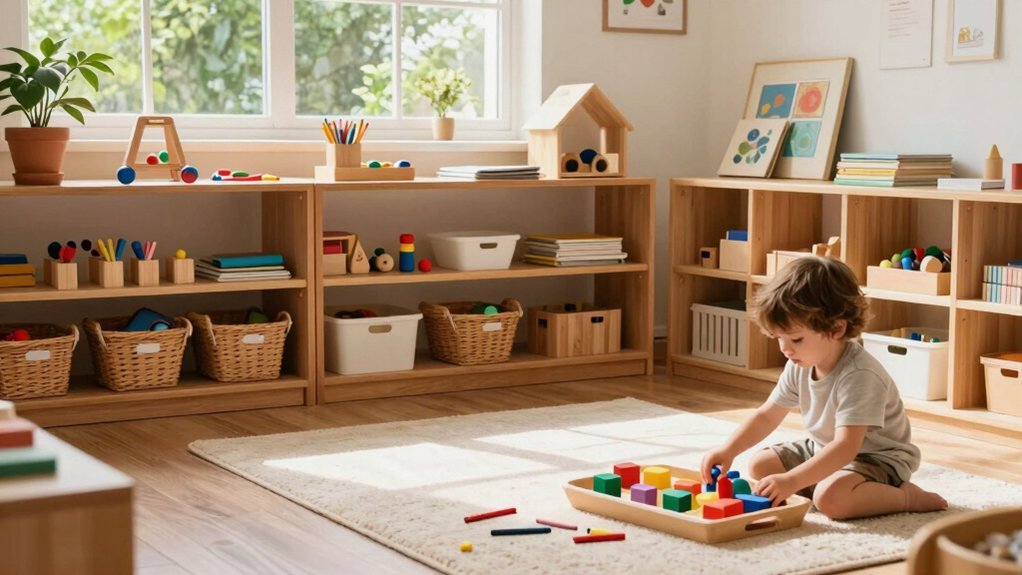
Where can you find a spot that feels both inviting and secure for your child’s curiosity? You’ll notice a corner with soft mats, low shelves, and a few favorite toys arranged within sight. The space feels calm because you’ve removed sharp objects, secured cords, and set up a child‑proof gate. By keeping the layout simple and predictable, you let your child focus on safe exploration instead of worry. Consistent cues—like a gentle “ready for play?” song—signal that the area is always there, reinforcing emotional security. When transitions happen, you follow predictable routines, so the child knows what to expect and can confidently choose activities.
A soft, predictable corner with gentle cues invites safe curiosity and emotional security.
- Soft, hazard‑free flooring and furniture
- Clear, gentle boundaries that invite choice
- Consistent routine signals for start and end of play
Listen Attuned to Emotional Cues and Respond Promptly

Creating that safe corner sets the stage for the next step: truly hearing your child. When you practice attuned listening, you put away distractions, make eye contact, and give your full attention, which instantly boosts emotional security. You respond promptly, using warmth and empathy, so your child feels understood and safe to express feelings. Label and reflect emotions—“You’re feeling frustrated because…”—to expand their vocabulary and self‑awareness. Keep your responses consistent and compassionate; avoid dismissive language that can erode trust.
Pair this listening with predictable routines and clear boundaries, reinforcing a stable environment that supports regulation. Your responsive responses become a reliable signal that their inner world matters, laying a foundation for resilience. Engaging children in hands-on learning activities, such as Montessori magnet and science kits, further strengthens emotional security by encouraging curiosity and independent exploration.
Validate Feelings and Teach Self‑Soothing Techniques
When you acknowledge a child’s emotion in the moment—saying something like “I can see you’re really upset”—you instantly validate their experience and open the door to calm. Validation teaches them that feelings are safe to express, laying a foundation for emotional security. Pair that acknowledgment with a simple self‑soothing cue: name the feeling, then model a coping step such as a slow breath or counting to ten. Repeating this routine before transitions or after tough events builds predictability, while calm, supportive feedback reinforces progress and encourages growing independence.
- Name the emotion and link it to a coping action.
- Model deep breathing or a quiet down‑face first.
- Practice the technique regularly in low‑stress moments.
Incorporating age-appropriate considerations ensures that emotional security strategies align with a child’s developmental stage and accessibility needs.
Use Calm‑Down Strategies for Emotional Outbursts
When you spot the early trigger signals, pause and model calm behavior so the child sees how to stay regulated.
Offer a quick, predictable comfort routine—like a deep‑breathing cue or a quiet corner—to give them structure and safety.
Then give them a limited, clear choice, reinforcing control while you guide them toward a calmer state.
Using tools such as a Montessori kitchen helper tower can provide children with a sense of inclusion and growth, fostering emotional security.
Identify Trigger Signals
How can you spot a child’s distress before it erupts? You protect emotional security by learning the subtle trigger signals that precede a tantrum. When you notice sudden withdrawal, clinging, or a spike in crying, you’ve caught the warning sign. Acting fast, you can introduce calm‑down strategies that keep the situation from escalating.
- Observe body language: tight fists, stiff posture, or a rapid heartbeat signal rising tension.
- Listen to vocal cues: a sharp tone, whimpering, or repetitive phrases often precede an outburst.
- Watch for behavioral shifts: increased aggression, repetitive actions, or a sudden need for reassurance indicate mounting distress.
Label the feeling, offer a quiet space, and guide them through a brief breathing exercise. This immediate response validates their emotion, redirects energy, and reinforces a sense of safety.
Model Calm Behaviors
Spotting those early warning signs lets you move straight into modeling calm behaviors, showing the child a steady way to handle the surge of emotion. When you breathe deeply, count to ten, or speak slowly, you demonstrate calm‑down strategies that become a visible template. Pair each action with emotional validation—“I see you’re upset; I’m here and we’ll figure this out”—so the child feels heard and less anxious. Keep your response unhurried; consistency reinforces a secure base and teaches the child that intense feelings will pass.
Practice these techniques during mild stress, turning them into automatic tools. Over time, the child internalizes the calm rhythm, gaining confidence to self‑regulate during larger outbursts.
Provide Structured Comfort
A structured comfort plan gives you a reliable toolkit to calm a child during an outburst, turning chaos into a manageable routine. You’ll notice that proactive calm‑down strategies—like a quiet corner, deep‑breathing cues, or a coloring sheet—serve as coping tools that reinforce emotion regulation. When you model these tactics in real time, you nurture a secure attachment and expand the child’s emotional vocabulary. Speak plainly, “I see you’re angry because…” and validate feelings without judgment. Set realistic expectations, keep empathy front and center, and avoid shaming language; this keeps anxiety low and builds confidence in self‑soothing.
- Create a designated calm space stocked with sensory items.
- Teach and practice deep‑breathing or counting together.
- Use simple, compassionate language to label emotions.
Smooth Activity Transitions With Simple Rituals
You’ll notice that when you introduce predictable signals—like a short goodbye song or a consistent phrase—children feel less anxious about what’s coming next.
Pairing those cues with a quick, soothing routine, such as a hug or a shared breath, reinforces a sense of safety.
Keeping the ritual brief yet flexible lets each child adjust without breaking the flow.
Istent Predictable Signals
Predictable signals turn chaotic shifts into manageable moments, letting kids know exactly what’s coming next. When you give a brief warning—“We’ll wrap up in two minutes”—you create a clear cue that smooths transitions and bolsters emotional security. Consistent signals, such as a hand‑wave or a short song, let children anticipate change, reducing anxiety and misbehavior. By repeating the same pattern, you build trust, making it easier for them to reorient and engage in the next activity.
- Use a simple verbal cue before every change.
- Pair the cue with a consistent non‑verbal signal (hand sign, song).
- Keep the sequence short: prep, transition, new activity.
Including child-friendly tools with compact sizes can enhance engagement and provide tactile cues during transitions.
Rituals Reduce Anxiety
Three simple rituals can turn a hectic shift into a calm moment, giving children a clear roadmap for what comes next. You can start with a brief goodbye routine—like a hug and a specific phrase—so the transition feels predictable. Follow with a short cue, such as a countdown or a hand signal, that tells the child the change is coming and gives them a sense of control. Pair the cue with gentle reassurance and a clear explanation of the next activity, reinforcing safety. Practice these steps during low‑stress moments so the child learns the pattern. Keep the rituals consistent across caregivers and settings; the steady routine builds confidence, reduces anxiety, and nurtures emotional security.
Model Emotional Regulation Through Your Own Behavior
How can you turn everyday moments into lessons in emotional regulation? You model self‑regulation by staying calm, breathing deeply, and speaking in a measured tone when you’re upset. When you label your feelings—“I’m frustrated, so I’ll take a pause”—you give your child a template for naming emotions. Consistent eye contact, gentle touch, and warm responsiveness signal safety, letting them internalize those cues and learn to self‑soothe.
- Pause before reacting, narrate your process, and invite your child to watch the steps.
- Use eye contact and a soft voice to convey empathy while you calm down.
- Repair mistakes openly: apologize, explain, and show how you regain composure.
Offer Simple Choices That Strengthen Autonomy and Security
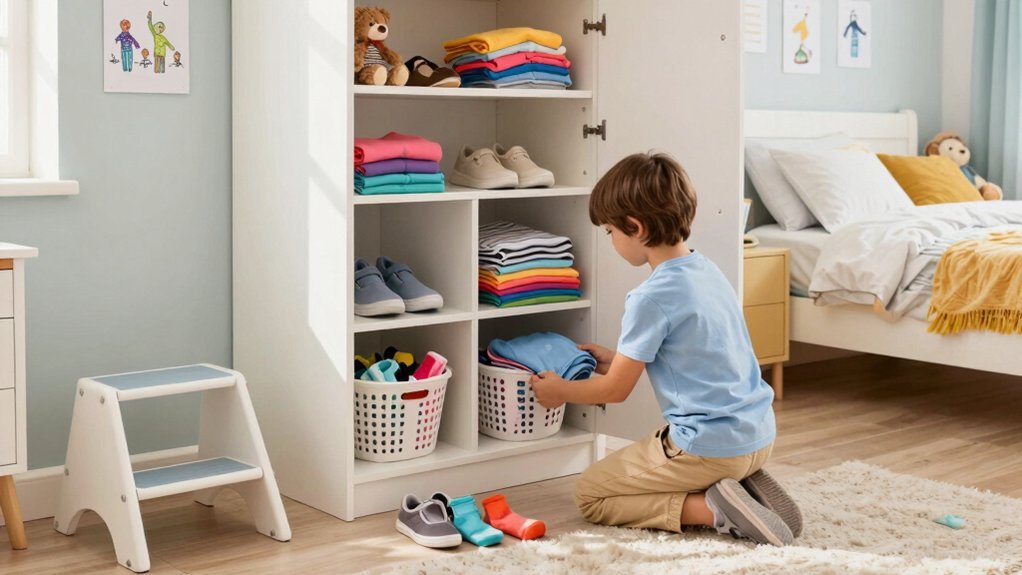
You can boost your child’s confidence by offering just two or three clear options, like choosing between a red or blue cup, which gives them agency without overwhelming them.
When you guide their decision and follow through calmly, they learn that their choices are respected and safe.
This limited freedom lets them explore within boundaries, reinforcing both autonomy and emotional security.
Offer Choice,, Choice Limited Freedom
Ever wonder how a tiny decision can boost a toddler’s confidence? When you give a child a simple choice—like “apple or banana?”—you’re handing them a slice of autonomy while keeping the situation safe. Two options are enough to spark decision‑making without overwhelming them. By limiting freedom to age‑appropriate, brief choices, you set clear boundaries that reduce anxiety and make outcomes predictable. Consistently framing each option with positive guidance reinforces security and encourages independent problem‑solving.
- Offer two concrete options for snacks, outfits, or activities.
- Keep choices short, safe, and tied to daily routines.
- Pair each decision with a calm, supportive prompt that highlights the boundary.
Guided Decision, Safe Exploration
Ever noticed how a tiny, guided choice can turn a hesitant toddler into a confident explorer? When you present two outfits or a snack option, you give a simple, age‑appropriate choice that boosts autonomy while keeping your presence steady. This guided decision creates a predictable framework, so the child feels safe exploring new toys, people, or rooms without anxiety.
Keep the options limited and the boundaries clear; the child learns limits and regulates emotions. Stay calm and available, your decision moments, reinforcing emotional security. As confidence grows, gradually expand the complexity—from immediate picks to short‑term decisions—while preserving the safe exploration vibe. The result is a resilient child who trusts both independence and your supportive guidance.
Frequently Asked Questions
What Is the 3 3 3 Rule for Toddlers?
You follow the 3‑3‑3 rule by giving toddlers three hours of social activity, three distinct play or routine blocks, and three clear daily transitions—like meals, naps, and bedtime rituals—to create predictable, secure rhythms.
What Creates Emotional Security?
You create emotional security by responding consistently, soothingly, and promptly to your child’s distress, setting predictable routines, validating feelings, offering a safe base for exploration, and modeling calm coping strategies.
What Are the 4 Stages of Emotional Regulation?
You go through noticing emotions, labeling feelings, managing reactions, and self‑soothing. First you recognize affect, then you name it, next you control responses, and finally you calm yourself independently.
What Are the 4 S’s of Secure Attachment?
You’ll find the 4 S’s of secure attachment are Safe, Sensitive, Stimulating, and Secure‑base—each one you nurture by providing predictable safety, responsive attunement, engaging exploration, and a reliable, comforting presence.

Leave a Reply