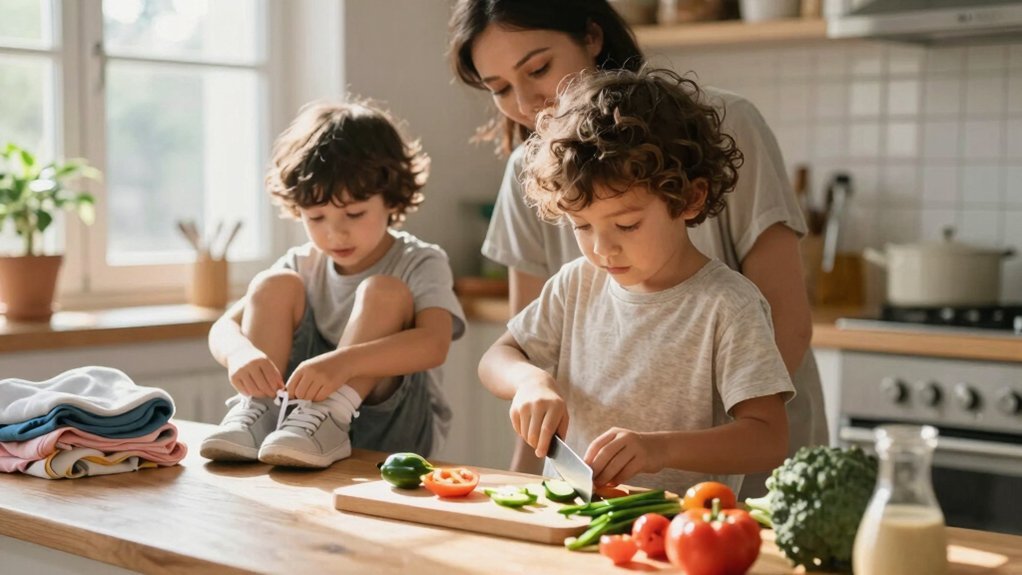
When you master everyday life skills like dressing yourself, pouring a drink, or budgeting a small allowance, you turn routine actions into confidence‑boosting successes. Those small victories teach you how to solve problems, manage time, and take responsibility without relying on adults. The more you practice—whether it’s cooking a simple snack or navigating a bus schedule—the more autonomous you become, and that autonomy fuels self‑esteem. Keep going, and you’ll discover deeper strategies for lasting independence.
Montessori Life Skills for Real‑World Independence
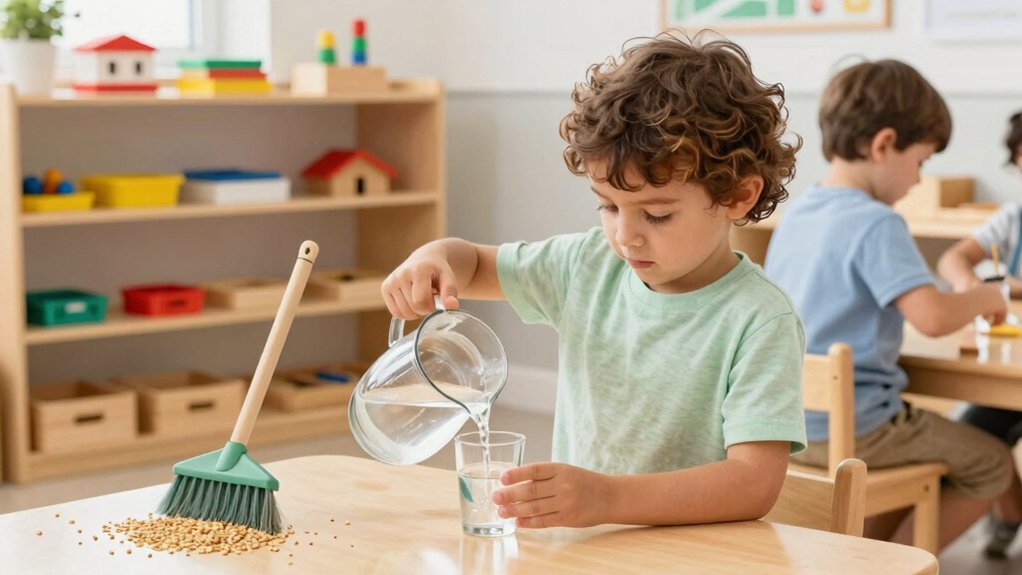
Ever wondered how everyday tasks become stepping stones to independence? In a Montessori classroom you’ll see practical life skills turned into real‑world skills. You guide children to dress themselves, button shirts, and tie shoes, letting them self‑correct with specially designed materials. You set up a kitchen corner where they pour water, spoon rice, and prepare simple snacks, fostering self‑reliance through hands‑on practice. Age‑appropriate chores—setting the table, cleaning up, organizing supplies—teach responsibility and independence. By letting kids choose their work and manage their belongings in designated spaces, you nurture autonomous decision‑making. This gradual, student‑directed approach builds resilience, problem‑solving, and confidence that transfer to everyday life. Providing children with tools like a Montessori-friendly step stool helps them safely reach and participate in kitchen tasks, enhancing their independence.
Why Early Choice‑Making Boosts Confidence With Life Skills
How does letting preschoolers pick their own outfit or snack boost their confidence? You’ll see that tiny choices validate preferences, spark self‑esteem, and nurture autonomy. When kids decide what to wear or eat, they practice decision‑making in a low‑stakes setting, building a sense of independence that carries into other life skills. Repeating this pattern at home, school, and in social play reinforces personal responsibility and resilience, preparing them for real‑world challenges. Incorporating Montessori-inspired tools like musical instruments further enhances this development by promoting creativity and fine motor skills.
| Situation | Skill Gained |
|---|---|
| Choosing an outfit | Autonomy |
| Selecting a snack | Decision‑making |
| Picking a chore | Independence |
| Deciding an activity | Self‑esteem |
Core Practical Life Skills Every Child Should Master Before Middle School
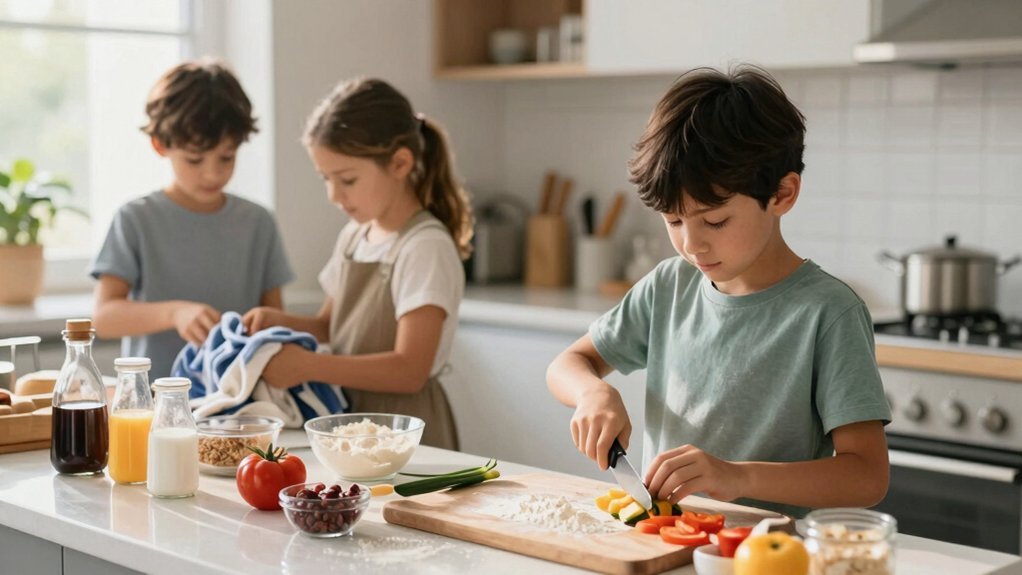
What practical abilities should a child already own before stepping into middle school? You need solid life skills that foster independence and confidence. Master self‑care—brushing teeth, showering, picking outfits—so daily routines run smoothly.
Teach basic cooking and kitchen safety, letting them prepare simple meals and clean up.
Introduce budgeting and money handling, so they can count change and track a small allowance.
Practice transportation navigation, like reading bus schedules or walking safe routes.
Assign age‑appropriate chores such as folding towels, setting the table, and packing a backpack to build responsibility and time‑management.
Encourage problem‑solving through real tasks—planning a snack or figuring a route—and decision‑making in everyday choices.
These core practical life skills lay the groundwork for autonomy before middle school.
Introducing child-friendly kitchen tools with Montessori-style learning can enhance cooking confidence and safety.
Applying Core Skills: Mini‑Projects for Daily Chores (e.g., Dishes, Laundry)
Ever wondered how a simple chore can become a confidence‑boosting mini‑project? You can turn dishes or laundry into focused practice for self‑sufficiency and independence. Start by sorting laundry by color, measuring detergent, and timing each load—each step reinforces life skills and builds a clear sequence.
While washing dishes, organize plates, soak pots, and rinse in a set order; this sharpens fine‑motor control and problem‑solving when a stubborn stain appears. Track successes, like folding a shirt perfectly or completing a wash cycle without help. Those small wins boost self‑efficacy, making chores feel like achievable projects rather than chores.
Incorporating toys like fine motor skill building spinning tops into routines can further enhance dexterity and concentration in young children. Consistent mini‑projects turn everyday tasks into powerful lessons in responsibility and confidence.
Overcoming Setbacks in Children’s Life‑Skill Activities
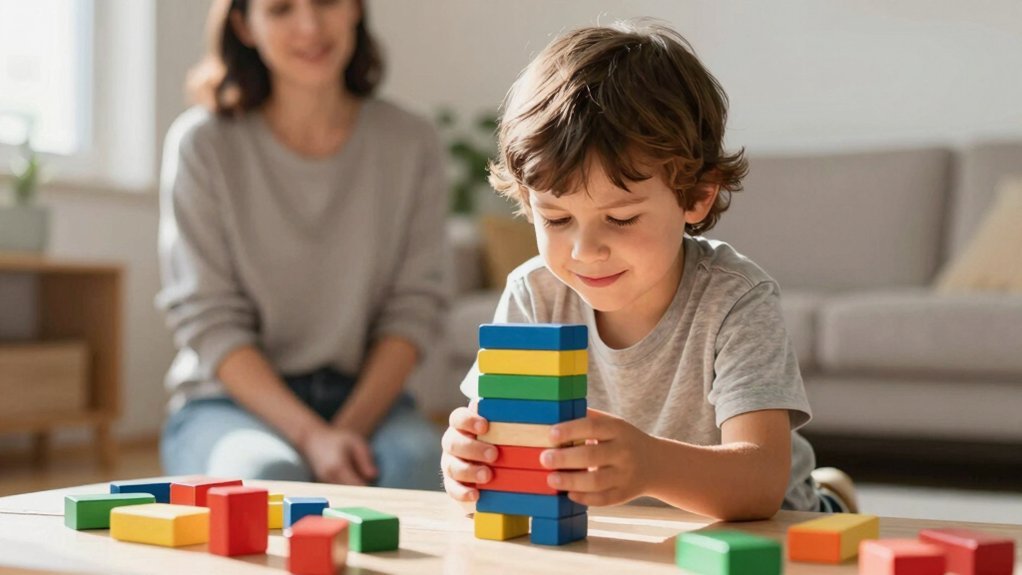
Why let a stumble feel like a dead end? When a child burns a pancake or miscalculates a budget, you can turn that slip into a problem‑solving moment. Prompt them to identify what went wrong, brainstorm fixes, and try again. This process builds resilience, showing that setbacks are learning steps, not failures. By tackling tasks independently—like chopping veggies or tracking allowance—they experience concrete feedback that fuels perseverance. Celebrate each effort, not just the outcome, to boost self‑efficacy. Your calm, process‑focused support reduces anxiety and reinforces independence, so future challenges feel manageable. Over time, children internalize a growth mindset, confidently navigating life‑skill activities without fearing mistakes. Using age-appropriate design elements in tools helps children engage safely and successfully, further supporting their independent learning.
Getting Started: A Simple Weekly Plan for Parents and Kids
Turning those problem‑solving moments into a routine, you can launch a simple weekly plan that gives your child one Empowering Independence Activity (IA) each week—chosen by them—to spark motivation and self‑efficacy. Start by picking a task that feels manageable yet stretches autonomy, like walking to a friend’s house or packing a school bag. As parental support, stay nearby but resist the urge to intervene; this builds independence and confidence. Gradually raise the difficulty, offering a brief step‑by‑step outline only when needed. Celebrate effort, not perfection, to reinforce life‑skill growth.
- Choose a weekly IA that the child selects.
- Provide a concise checklist for task autonomy.
- Review the outcome together, praising perseverance.
- Incorporating visual learning tools can enhance understanding and engagement during skill development.
Frequently Asked Questions
Why Is Building Independence in Children Important?
You’ll see children thrive when you nurture independence because it builds confidence, problem‑solving, resilience, and practical skills—making them self‑reliant, adaptable, and ready for real‑world challenges.
What Is the 7 7 7 Rule in Parenting?
You follow the 7‑7‑7 rule by assigning age‑appropriate tasks at three milestones—by age 7, revisiting at 7, and reassessing at 7—so you gradually release responsibility, fostering autonomy and confidence.
What Does Montessori Say About Independence?
You’ll find Montessori says independence comes from choosing tasks, correcting yourself with self‑editinging tools, and moving at your own pace, so you develop confidence, responsibility, and real‑world competence.
Why Is It Important to Teach Children Practical Life Skills for Independence?
You teach practical life skills because they give kids confidence, reduce anxiety, and let them handle daily tasks independently, building self‑esteem, problem‑solving abilities, and readiness for school, work, and adulthood.