
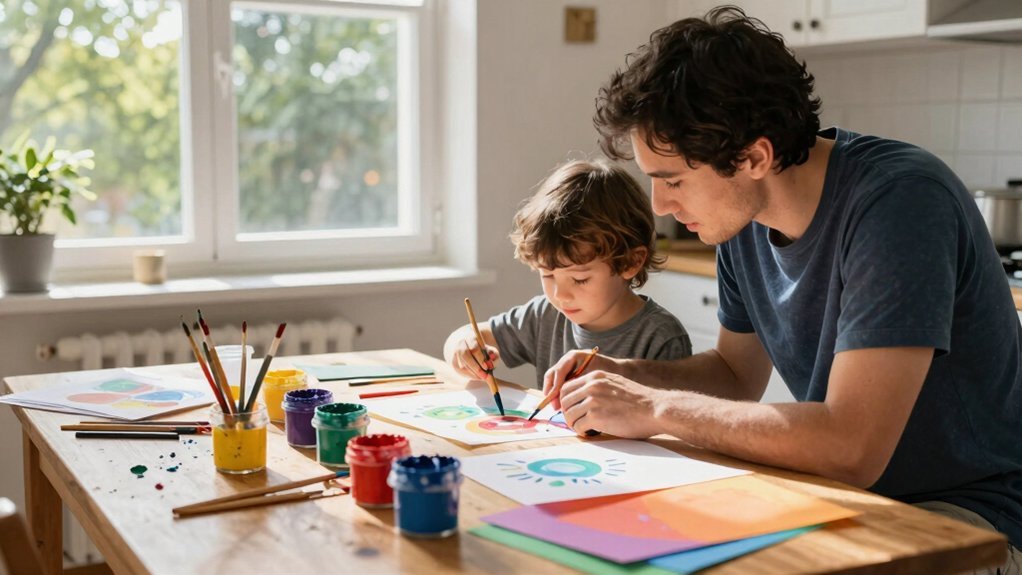
When you follow your child’s interests, you ignite intrinsic motivation that fuels deeper learning and confidence. You’ll see them engage longer, try tasks repeatedly, and develop problem‑solving skills on their own. Sensitive periods become clearer, letting you offer just‑right challenges without over‑stimulating. The “Do Not Help” rule encourages independence, while a prepared, curiosity‑rich space supports exploration. Their social‑emotional growth blossoms as they collaborate and feel valued, laying a foundation for lifelong learning that you’ll discover more about ahead.
What “Follow the Child” Really Means in Montessori Parenting

When you truly “follow the child” in Montessori parenting, you become a keen observer and gentle guide, shaping the environment and activities to match the child’s pace, interests, and developmental cues instead of imposing preset goals. You watch for the moment a child reaches for a new material or repeats a task, then you present the next step or adjust the order without interrupting their flow. Choosing age-appropriate tools like a Montessori-friendly wooden hammer can support skill development while ensuring safety and engagement.
Why Following the Child’s Interests Sparks Intrinsic Motivation
Ever wonder why kids dive deeper into tasks they choose themselves? When you honor child interests, you tap into intrinsic motivation, turning learning into a joyful, self‑driven adventure. The brain releases dopamine as they explore topics that already excite them, boosting attention and persistence. By letting them pick the focus, you give them autonomy, which builds confidence and a sense of ownership. Repeated engagement with a beloved subject sharpens mastery and self‑efficacy, reinforcing the belief that they can succeed. Aligning lessons with their natural curiosities adds meaning, making each new concept feel relevant. This positive feedback loop fuels longer‑term curiosity and encourages them to venture into unfamiliar areas with enthusiasm. Play environments that promote cognitive, language, and motor skills development, such as Montessori-inspired play kitchens, support this intrinsic motivation by encouraging authentic, hands-on exploration.
How Sensitive Periods Help You Follow the Child at the Right Time
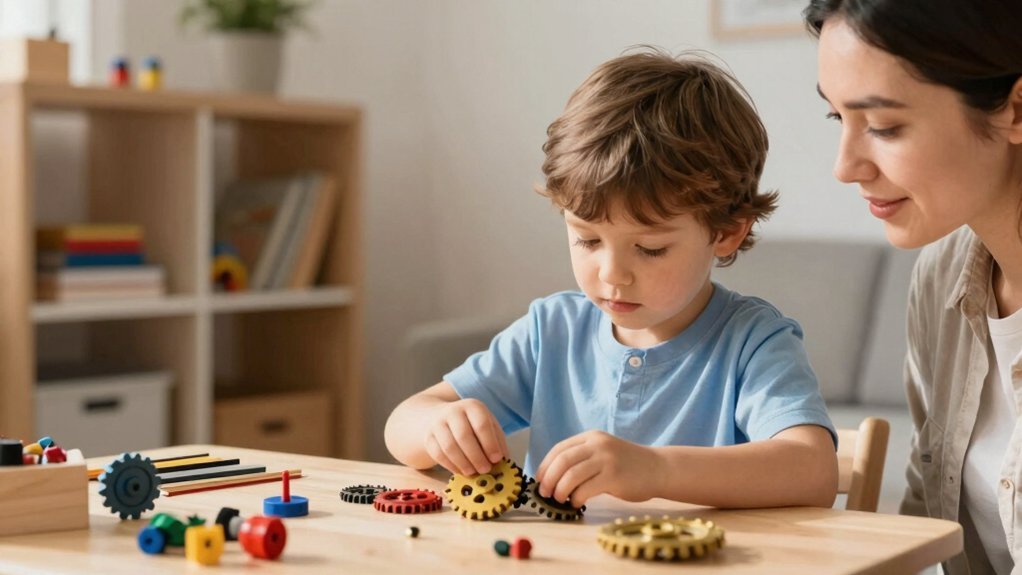
Kids naturally gravitate toward activities that match their developmental readiness, and those readiness windows—known as sensitive periods—guide you in timing your support. When you notice a child’s fascination with stacking blocks, that’s a readiness cue signaling the movement‑order period. Offer a few more pieces, let them experiment, and step back as they master balance.
During the small‑object window, provide safe manipulatives and observe how they choose textures; their choices tell you when to introduce puzzles or threading beads. By aligning child‑led learning with these windows, you avoid overstimulation and keep engagement high. Keep the environment ready, but flexible, and let the child’s emerging interests dictate the pace and depth of each activity. Incorporating tools that support multiple functions, such as a 3-in-1 washing tub, can enhance practical life skills in alignment with these sensitive periods.
When to Step Back: The “Do Not Help” Rule for Following the Child
You’ll notice mastery when the child keeps trying the same task without giving up, so you can step back and let them persist. If they get stuck, a gentle redirection—like offering a new tool or a subtle hint—keeps the momentum going without taking over. By preserving these self‑initiative moments, you nurture confidence and protect the joy of learning. Providing a well-designed Montessori-friendly step stool can support this independence by enabling safe, confident access to tasks at their own pace, especially with features like safety rails and non-slip surfaces.
Recognize Mastery Signs
When a child repeatedly attempts the same activity, it signals they’re edging toward mastery, so you should step back and let them figure it out on their own. Your observation becomes the gauge for self‑sufficiency: notice if they correct mistakes, adjust strategies, or complete the task without prompting. Those are the master y signs that indicate readiness for independence. Resist the urge to intervene unless safety or extreme frustration arises. Instead, offer subtle cues—like a question or a material placed nearby—so they can test their own solutions. This balanced approach nurtures confidence, reinforces problem‑solving skills, and keeps the learning momentum alive while you respect their growing autonomy. Using toys with fine motor skill building benefits supports this process by encouraging independent manipulation and control.
Offer Gentle Redirection
Seeing the mastery signs you’ve identified, it’s time to step back and let the child wrestle with the task on their own. You Follow the child‑led exploration, watching for repeated attempts, self‑sufficiency, or signs of frustration. When the child stalls, offer gentle redirection: pose a curious question, point out a nearby material, or model a subtle cue that nudges them toward a solution without taking over. This keeps the momentum alive while preserving the joy of discovery. Resist the urge to hand them a finished product; instead, assess whether the needed support aligns with their developmental stage. If safety or completeness isn’t at risk, delay assistance, allowing confidence and independence to grow naturally. For example, choosing tools designed with child-safety features can ensure their exploration is both safe and engaging.
Preserve Self‑Initiative Opportunities
Even if the child seems stuck, resist the impulse to jump in; instead, let the moment become a test of their own perseverance. Observe their attempts—whether they’re struggling with a zipper or arranging blocks—and note the signals that indicate they’re learning through trial and error. When you see repeated effort, step back. Offer varied materials and subtle prompts, but avoid direct takeover. This preserves self‑initiative and nurtures autonomy, letting child‑led learning flourish. By holding the “Do Not Help” rule, you create space for the child to discover solutions, build confidence, and experience mastery. Intervene only when safety or extreme frustration threatens, ensuring the child’s joy and hope remain intact. Using tools like Montessori sorting trays can support this independent exploration by providing structured yet open-ended opportunities for learning.
Designing a Prepared Space That Matches Your Child’s Curiosity
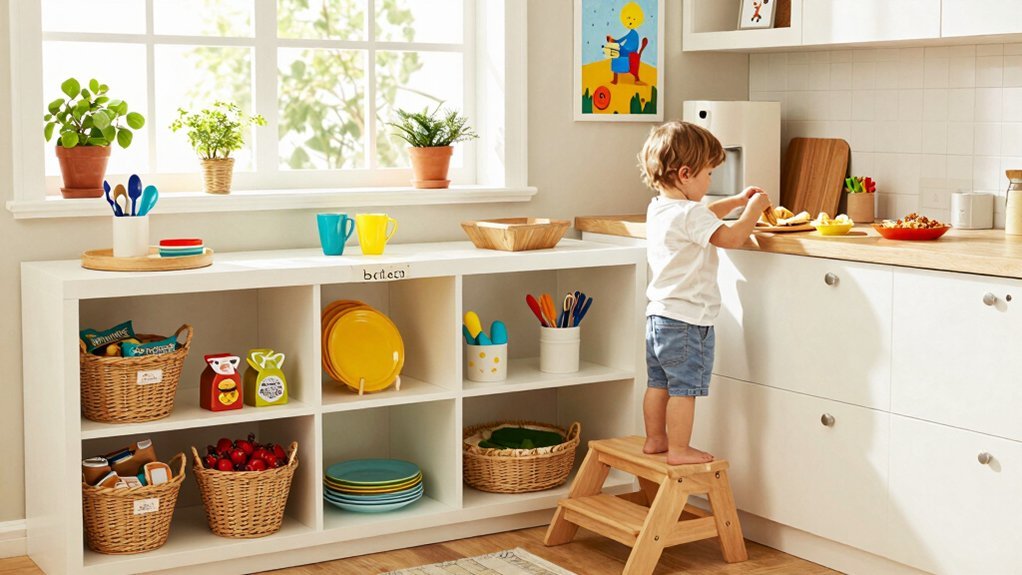
How can you turn a room into a living showcase of your child’s current passions? Start with a child‑led, prepared space built on an observation‑based setup. Watch how they reach for unfinished blocks versus finished puzzles, then place those items within easy reach on low shelves. Use natural wood, neutral tones, and calm lighting to keep overstimulation low while they focus.
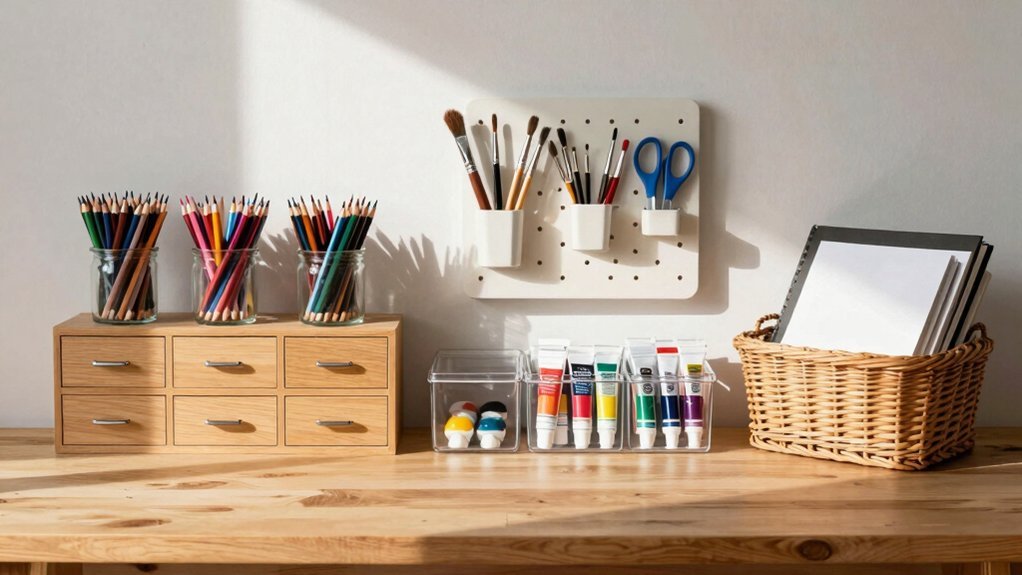
Arrange a flexible layout that lets them glide from a cozy indoor nook to a garden‑side table, encouraging day‑long exploration. Rotate materials regularly, swapping in new textures or tools that match emerging interests. Keep pathways clear, store supplies in labeled bins, and tweak the environment as you notice shifts in curiosity, ensuring the space always mirrors their developmental pace.
Montessori Moms Show How to Follow the Child in Real Life

You’ll notice how simple observation turns into guided exploration, letting your child’s curiosity steer the day.
By weaving nature‑inspired activities—like leaf‑sorting or garden watering—into routine play, you reinforce learning without forcing it.
This approach not only boosts confidence but also creates a seamless bridge between home and the wider community.
Observation‑Guided Exploration
Observation‑guided exploration starts with a simple, attentive watch of what lights your child’s eyes—like a Dumbo‑themed circus fascination—and then turns that spark into a tailored set of sensory‑rich materials, from books and dress‑up props to a dedicated corner. Your observation reveals the exact moment curiosity blooms, so you arrange a small, inviting space that invites child‑led exploration. By offering a few relevant items—soft circus‑themed fabric, picture books, a tiny tent—you nurture intrinsic motivation. As your child engages, you notice growing confidence and invite peers to join, expanding the activity organically. Keep the environment flexible, adding new textures or stories as interest deepens, and let the child’s own drive shape each next step.
Nature‑Inspired Learning Activities
When the circus‑themed corner fades, you can carry the same attentive eye outdoors, turning the child’s current fascination—say, a sudden interest in birds or the rustle of leaves—into a nature‑inspired learning activity. You set up a safe, prepared space with a nature box filled with feathers, acorns, and pine needles the child noticed on a walk. Then you let the child‑ the play, guiding observation‑based questions while they sort, compare, and label. As they point out a robin’s song, you add a simple field‑guide page, letting the child decide when to explore further. This child‑led, nature‑inspired learning builds autonomy, sharpens sensory awareness, and turns everyday curiosity into lasting knowledge.
Turning Observed Interests Into Montessori Activities
Curiosity sparks when you transform a child’s fascination—like a love for Dumbo—into a circus‑themed Montessori corner, complete with elephants, dress‑up props, and related books. You set up child‑led learning stations, then watch for engagement, noting how Henry becomes more animated with peers and spends longer exploring the resources. Your observation‑based development guide records these shifts, letting you add parent‑led juggling, acrobatics, and role‑play sessions that deepen the theme. Rotate books, puzzles, and art supplies that echo circus imagery, ensuring each activity remains age‑appropriate and safely overseen. As you link the elephant motif to math counting, language storytelling, and fine‑motor crafts, you sustain momentum and broaden his learner identity while keeping the experience joyful and purposeful.
Building Independence by Following the Child’s Repetition Cycle
When you notice your child looping through a task, you’re witnessing an Observation‑Cycle Mastery that signals readiness for self‑directed skill refinement. Letting them repeat the activity—like dressing or pouring—without stepping in builds confidence through repetition.
Observation‑Cycle Mastery
Ever notice how a child’s repeated attempts at a task—like slipping into a shirt or stacking blocks—signal a deeper drive to master it? That repetition is a cue for you to pause, engage in observation, and let self‑initiation guide your next move. Watch the patterns: how many tries, which steps they tweak, where frustration spikes. Your role isn’t to step in with a solution but to record what the child is already solving. When you notice a plateau, gently adjust the environment—add a slightly larger shirt or a new block shape—so the challenge stays just beyond their current reach. This observation‑cycle mastery preserves the child’s momentum, builds confidence, and gradually expands their independence without overt adult direction.
Self‑Directed Skill Refinement
Notice how a child’s repeated attempts at a task—whether it’s slipping into a shirt, pouring a cup, or stacking blocks—signal a self‑directed drive to master that skill. You can nurture that self‑directed learning by giving the child space to repeat the action, stepping back while you keep observation sharp. When the child’s repetition shows growing competence, you intervene only if they hit a clear limit, offering a subtle hint or a new, slightly harder variation. This balance lets them internalize the process, turning a simple routine into a foundation for independence. By watching the pattern of self‑initiated attempts, you know exactly when to introduce a related challenge, keeping momentum alive without overt direction.
Confidence Through Repetition
Often, a child’s repeated attempts at a task—like slipping into a shirt or stacking blocks—signal growing mastery and a budding sense of independence. When you notice the child’s repetition cycle, you can gauge when to step back and when to intervene, preserving self‑initiative. Each successful repeat builds self‑efficacy, turning curiosity into confidence. By aligning your support with child interests, you create an environment where practice feels natural, not forced. Consistent practice within that interest reinforces skill refinement and reduces adult prompting. Observe patterns: if the child repeats a activity to problem, it likely signals a need for guidance; if it’s for enjoyment, let them explore. This balance nurtures both competence and ongoing curiosity.
Supporting Your Child’s Social‑Emotional Development Through Follow‑the‑Child Practices
How does nurturing a child’s natural curiosities shape their emotional world? When you honor child interests, you spark social‑emotional development. Observation‑based guidance lets you offer gentle challenges, building self‑regulation and patience. Repeating interest‑driven activities nurtures persistence, internal motivation, and resilience in peer interactions. Collaboration with families and educators strengthens emotional security, encouraging autonomy and identity.
- Notice the spark – watch which activities captivate your child and join in.
- Offer scaffolded challenges – introduce slightly harder steps to stretch competence.
- Encourage peer sharing – prompt your child to show their work, fostering conversation.
- Create a supportive network – involve caregivers and teachers to reinforce belonging and prosocial behavior.
Long‑Term Benefits of Following the Child’s Path: Confidence, Lifelong Learning, and Academic Success
When you consistently nurture a child’s natural curiosities, you lay a foundation for lasting confidence that fuels lifelong learning and academic achievement. Interest‑driven learning builds self‑efficacy; each successful exploration reinforces competence, so your child tackles new challenges with optimism. Intrinsic motivation deepens as curiosity becomes a habit, extending attention spans and persistence across subjects. Over time, this synergy translates into higher academic performance, better skill transfer, and a resilient identity that thrives in school and beyond.
| Benefit | Example |
|---|---|
| Confidence | Mastering a coding project boosts self‑efficacy |
| Lifelong Learning | Reading about dinosaurs leads to research skills |
| Academic Success | Linking art interests to geometry improves math |
| Resilience | Overcoming a tough puzzle strengthens intrinsic motivation |
Quick Checklist for Parents Who Want to Follow the Child Today
Ever wonder how to turn today’s fleeting curiosity into a purposeful learning moment? In the early years you can shape a child‑led day by listening to what captures their attention and turning it into a mini‑adventure. Keep the pace flexible, the space safe, and the connection to real life strong. Use this quick checklist to stay on track and make each spark count.
- Spot the repeatable interest – note what they return to and why it excites them.
- Set up a safe, open‑ended environment – arrange materials that let them explore within clear boundaries.
- Tie the interest to a learning resource – grab a book, craft, or short field trip that deepens the theme.
- Reflect and adjust – watch for enthusiasm or focus shifts, then expand or pivot the activity accordingly.
Frequently Asked Questions
What Is the 7 7 7 Rule for Parenting?
You follow the 7‑7‑7 rule by giving your child about seven minutes of screen time per year of age, ensuring seven hours of sleep, and providing roughly seven hours of active, developmentally appropriate play each day.
Which Sibling Is Usually the Favorite?
You’ll often find the sibling who shares your interests or asks less for help becomes the favorite, because you naturally spend more time, attention, and emotional energy with that child.
What Is the 3-3-3 Rule for Children?
You rotate a child’s toys and activities every three days, then refresh the set after three weeks, and swap it again after three months, keeping novelty fresh while preserving enough familiarity for sustained engagement.
What Is Tina Bruce’s Theory?
You follow Tina Bruce’s theory by observing your child’s interests, pace, and readiness, then tailoring learning activities to those curiosities, providing supportive guidance, real‑life practice, and collaborative adaptation with families.

Leave a Reply